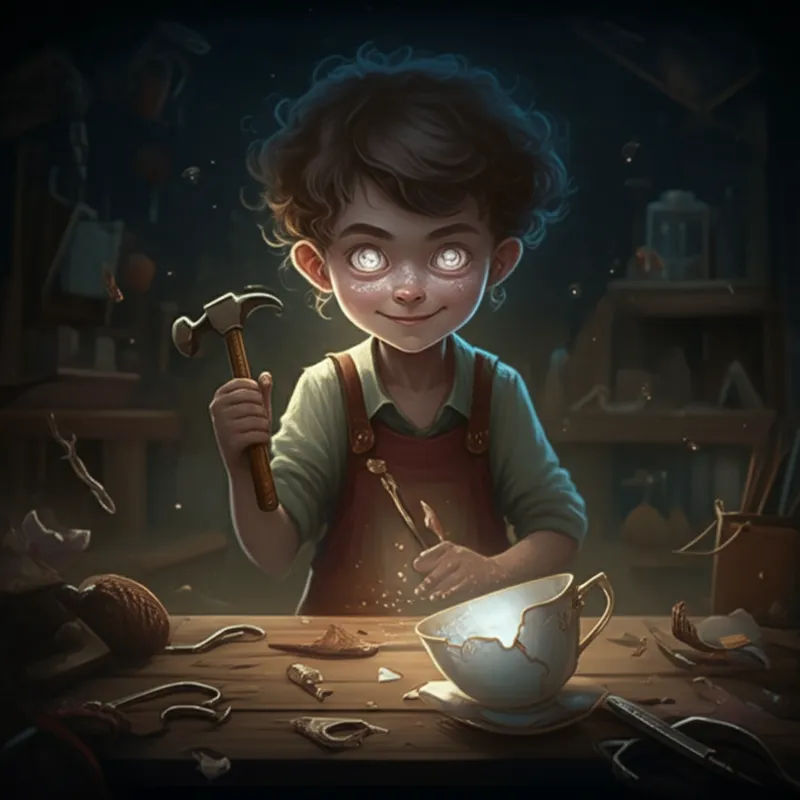

noun 下载 🔗分享 地精, 妖精。 (German mythology) An ambivalent, sometimes vindictive, spirit that is capable of materialising as an object or human, often a child; a sprite. Examples : "The old house was rumored to be haunted by a kobold, a mischievous spirit known to hide toys and move furniture when no one was looking. " 据说这座老房子里闹地精,这种爱恶作剧的妖精最喜欢在没人的时候藏玩具、搬家具。 mythology supernatural character being 与AI对话词汇游戏阅读练习
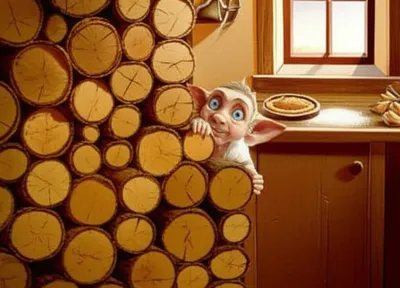
noun 下载 🔗分享 小妖精,家精。 (German folklore) A mischievous elf or goblin, or one connected (and helpful) to a family or household. Examples : "The family believed the small trinkets they kept finding were gifts from a benevolent kobold living in their attic. " 这家觉得他们一直发现的小饰品,是住在阁楼里一个善良的家精送给他们的礼物。 mythology tradition supernatural culture story being 与AI对话词汇游戏阅读练习
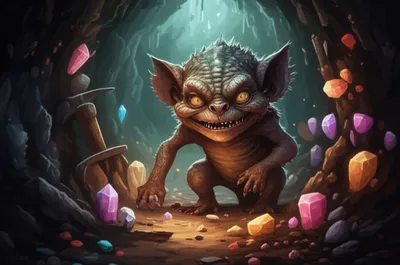
noun 下载 🔗分享 狗头人,小妖精。 (fantasy literature) One of a diminutive and usually malevolent race of beings. Examples : "The adventurers cautiously entered the cave, knowing it was likely infested with kobolds, small and nasty creatures known for their traps and malicious intent. " 冒险者们小心翼翼地进入洞穴,他们知道这里很可能遍布狗头人,这些矮小且邪恶的生物以设置陷阱和恶毒的用心而闻名。 mythology literature supernatural inhuman being character 与AI对话词汇游戏阅读练习