noun 下载 🔗分享 口齿不清,咬舌,大舌头 The habit or an act of lisping. Examples : "He used to have a terrible lisp before going to a speech therapist." 他去看语言治疗师之前,说话很严重的口齿不清,有点大舌头。 language phonetics medicine communication 与AI对话词汇游戏阅读练习
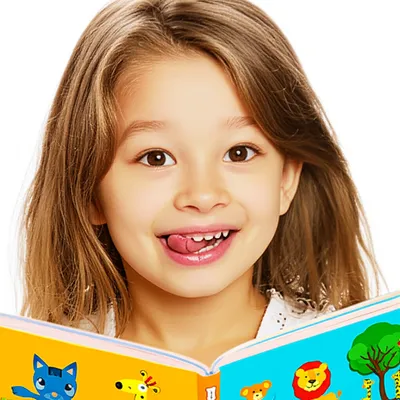
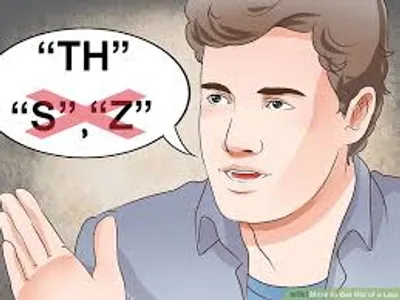
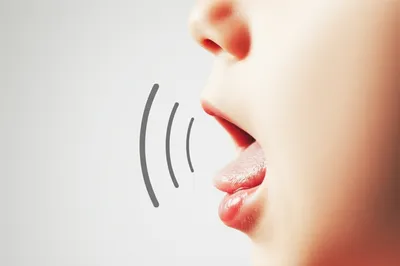
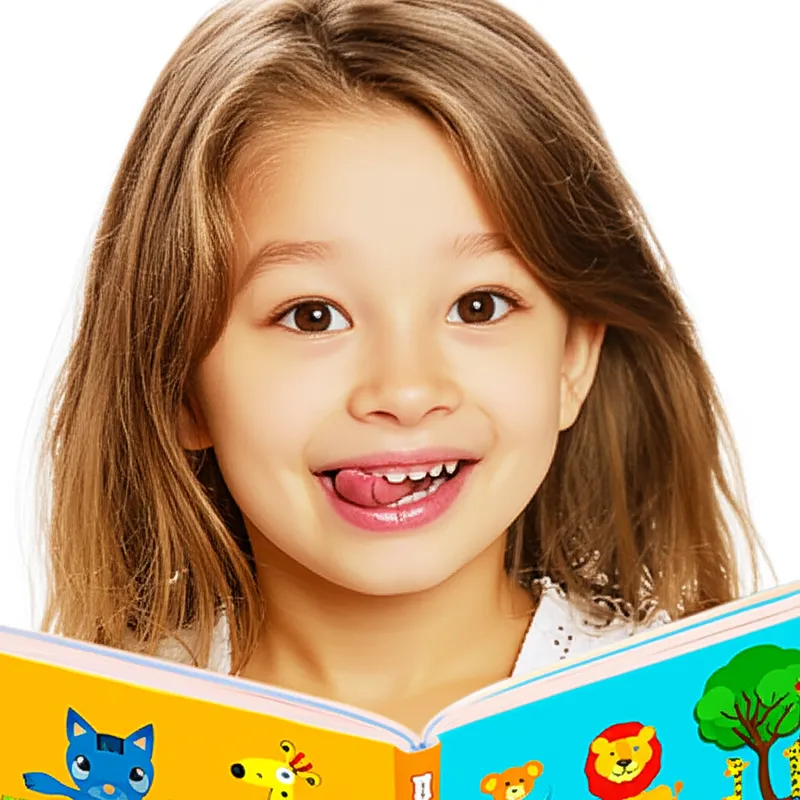
verb 下载 🔗分享 咬舌,大舌头 To pronounce the consonant ‘s’ imperfectly; to give ‘s’ and ‘z’ the sounds of ‘th’ (/θ/). This is a speech impediment common among children. Examples : "My little brother still lisps when he says "sister." " 我弟弟说“姐姐”的时候,还是有点咬舌头。 phonetics language medicine communication linguistics 与AI对话词汇游戏阅读练习
verb 下载 🔗分享 口齿不清,咬字不清 To speak with imperfect articulation; to mispronounce, such as a child learning to talk. Examples : "The little girl started to lisp when she tried to say her "s" sounds, making them sound like "th." " 小女孩开始口齿不清,说 "s" 音的时候发音不准,听起来像 "th"。 language phonetics communication 与AI对话词汇游戏阅读练习
verb 下载 🔗分享 说话吞吞吐吐,囁嚅 (niè rú)。 To speak hesitatingly and with a low voice, as if afraid. Examples : "After being caught cheating on the test, the student could only lisp an apology to the teacher. " 考试作弊被抓后,那个学生只能吞吞吐吐地向老师道了个歉。 language phonetics communication sound 与AI对话词汇游戏阅读练习
verb 下载 🔗分享 说话吐字不清,咬舌。 To express by the use of simple, childlike language. Examples : "The toddler, still learning to talk, would lisp his requests for "wawa" (water). " 那个还在学说话的幼儿,总是用含糊不清的口齿,像小孩子一样地说着“娃娃(水)”来要水喝。 language communication 与AI对话词汇游戏阅读练习
verb 下载 🔗分享 吞吞吐吐,囁嚅 (niè rú). To speak with reserve or concealment; to utter timidly or confidentially. Examples : "to lisp treason" 吞吞吐吐地密谋叛国 communication language word 与AI对话词汇游戏阅读练习