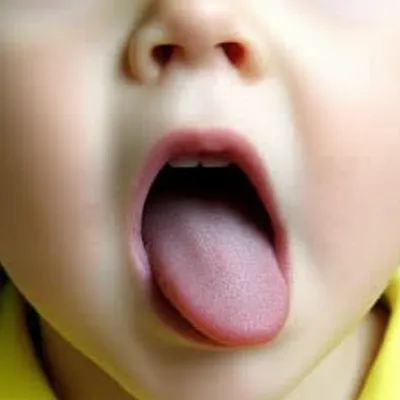
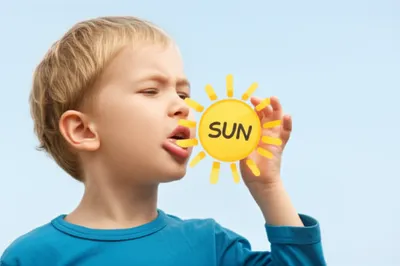
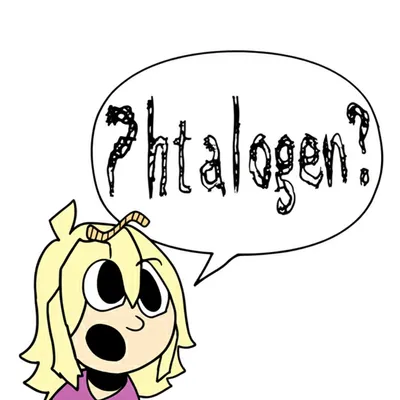
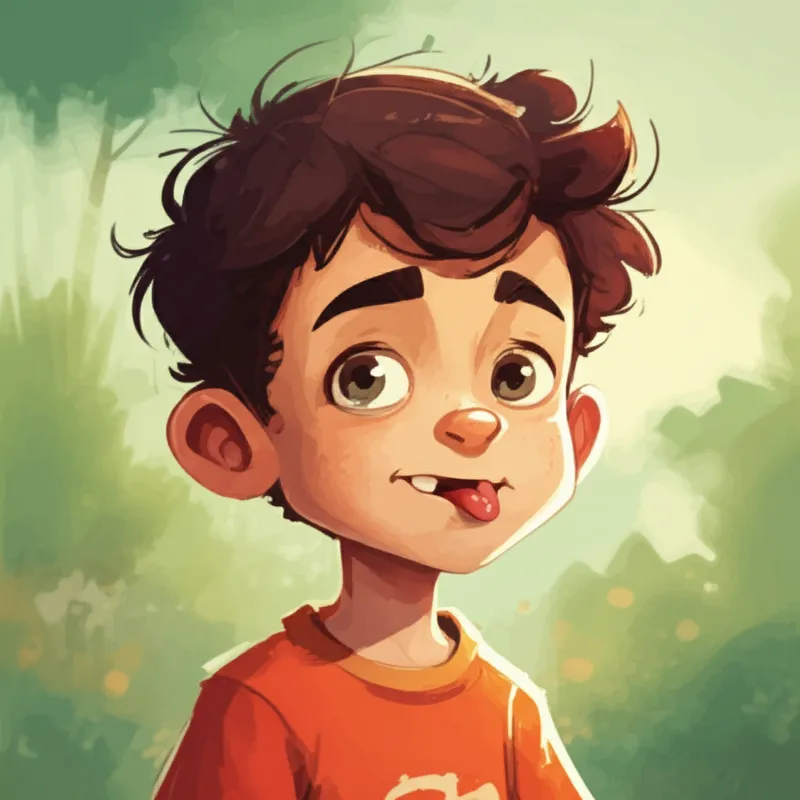
verb 下载 🔗分享 咬舌,大舌头. To pronounce the consonant ‘s’ imperfectly; to give ‘s’ and ‘z’ the sounds of ‘th’ (/θ/). This is a speech impediment common among children. Examples : "The little boy was lisping when he said "sun," pronouncing it more like "thun." " 小男孩说话有点咬舌,说“太阳”的时候,听起来更像是“ta阳”。 phonetics language communication medicine linguistics 与AI对话词汇游戏阅读练习
verb 下载 🔗分享 说话口齿不清,咬字不清。 To speak with imperfect articulation; to mispronounce, such as a child learning to talk. Examples : "The little boy was lisping slightly as he read his story aloud in class, mispronouncing his "s" sounds. " 那个小男孩在课堂上大声朗读故事的时候,说话有点口齿不清,特别是“s”音发不太准。 language phonetics communication 与AI对话词汇游戏阅读练习
verb 下载 🔗分享 喃喃自语,低声细语. To speak hesitatingly and with a low voice, as if afraid. Examples : "The shy student was lisping as he answered the teacher's question, barely audible in the quiet classroom. " 那个害羞的学生回答老师问题时,声音小得像在喃喃自语,在安静的教室里几乎听不见。 language communication phonetics 与AI对话词汇游戏阅读练习
verb 下载 🔗分享 说话口齿不清, 吐字不清。 To express by the use of simple, childlike language. Examples : "The child lisped about his excitement for the new school year. " 那个孩子用含糊不清的童音,兴奋地描述着他对新学年的期待。 language communication 与AI对话词汇游戏阅读练习
verb 下载 🔗分享 囁嚅,吞吞吐吐。 To speak with reserve or concealment; to utter timidly or confidentially. Examples : "to lisp treason" 囁嚅著說出叛國之言 communication language sound 与AI对话词汇游戏阅读练习
noun 下载 🔗分享 口齿不清,咬舌,大舌头 That which is spoken in a lisp. Examples : "The child's lisping was adorable, making "spaghetti" sound like "thpaghetti." " 这个孩子说话有点口齿不清,发音带着大舌头,特别可爱,把“spaghetti”说成了“thpaghetti”。 language phonetics communication sound 与AI对话词汇游戏阅读练习