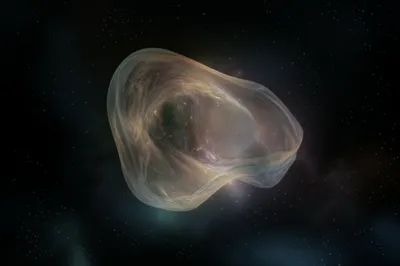



noun🔗Share怪异感,不可思议感 (Freud) Something that is simultaneously familiar and strange, typically leading to feelings of discomfort; translation of Freud's usage of the German "unheimlich" (literally "unsecret")."The old doll in the attic, with its familiar face but unsettlingly blank stare, possessed an uncanny quality that made the children reluctant to play with it. "阁楼里那只旧娃娃,虽然脸孔看起来很熟悉,但眼神空洞得让人不安,带着一种怪异感,让孩子们不太愿意跟它玩。mindphilosophyliteraturesensationChat with AIVocabulary GamePractice Reading
adjective🔗Share怪异,离奇。 Strange, and mysteriously unsettling (as if supernatural); weird."He bore an uncanny resemblance to the dead sailor."他长得和那个死去的船员惊人地相似,让人觉得毛骨悚然。supernaturalmindcharacterbeingChat with AIVocabulary GamePractice Reading
adjective🔗Share粗心,漫不经心。 Careless."While "uncanny" means strange or mysterious, its archaic definition is "careless." Here's a sentence using that (less common) definition: "The uncanny gardener let the weeds grow wild, ignoring the flowers completely." "这个粗心的园丁任由野草疯长,完全不顾那些花朵。characterattitudeChat with AIVocabulary GamePractice Reading