noun 下载 🔗分享 小丑,丑角。 A fool or clown, especially one whose business on the stage is to imitate foolishly the actions of the principal clown. Examples : "In the school play, Timmy was cast as the zany, mimicking the lead actor's every exaggerated movement with silly faces and stumbling steps. " 在学校的戏剧里,提米演的是个丑角,他模仿主角每一个夸张的动作,还配上傻乎乎的表情和踉跄的步伐。 entertainment person character 与AI对话词汇游戏阅读练习
verb 下载 🔗分享 滑稽地模仿, 拙劣地模仿 To mimic foolishly. Examples : "The child zanyed the teacher's movements during recess, mimicking her exaggerated gestures for fun. " 课间休息时,那个孩子滑稽地模仿老师的动作,为了好玩,拙劣地模仿她夸张的手势。 entertainment action style 与AI对话词汇游戏阅读练习
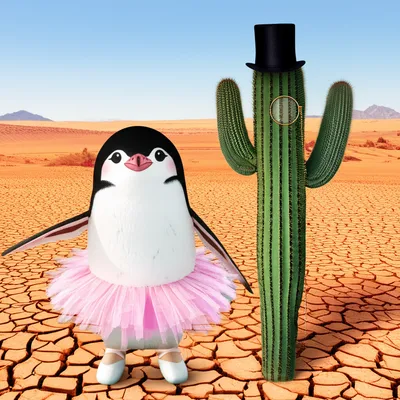
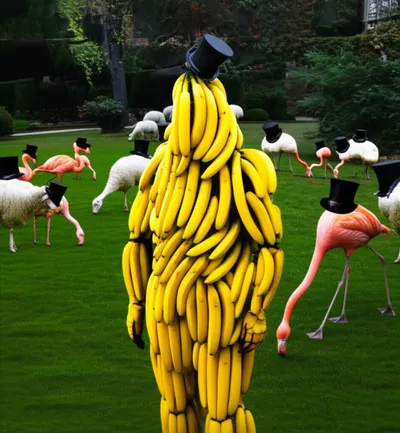
adjective 下载 🔗分享 滑稽,古怪, 逗乐。 Unusual and awkward in a funny, comical manner; outlandish; clownish. Examples : "My uncle has a zany way of telling jokes, making everyone laugh with his unusual and silly stories. " 我的叔叔讲笑话的方式很滑稽古怪,他那些奇特又傻乎乎的故事总能把大家逗得哈哈大笑。 character entertainment style 与AI对话词汇游戏阅读练习
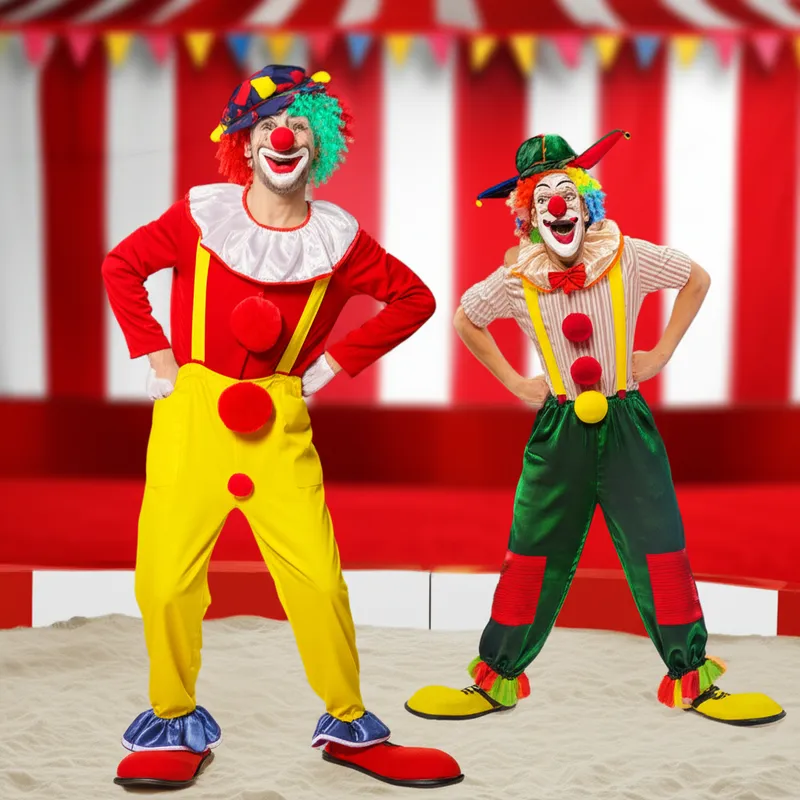
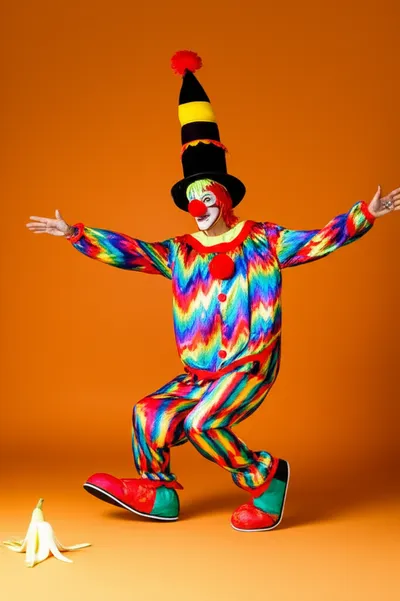
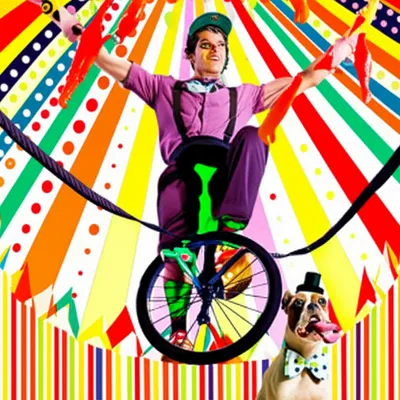
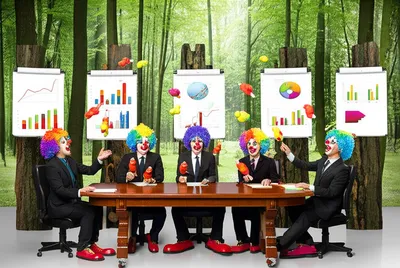
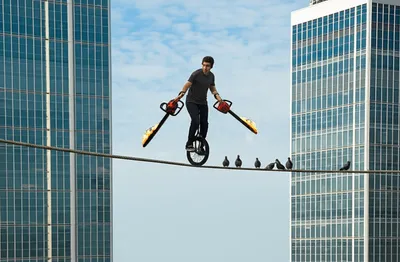
adjective 下载 🔗分享 滑稽的,古怪可笑的 Ludicrously or incongruously comical. Examples : "The clown's zany antics, like juggling rubber chickens and honking a bike horn, made the children roar with laughter. " 那个小丑的滑稽表演,比如抛接橡胶鸡和按自行车喇叭,让孩子们笑得前仰后合。 entertainment character style 与AI对话词汇游戏阅读练习