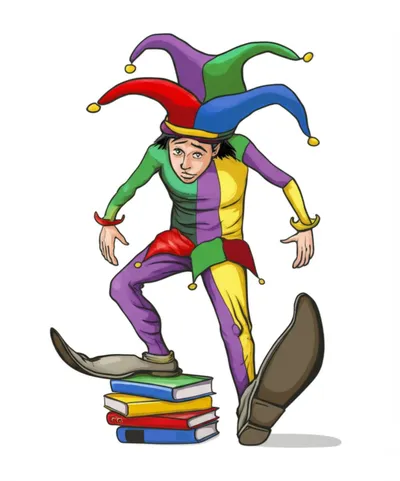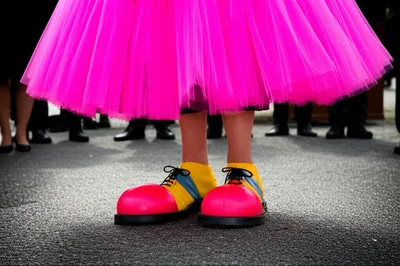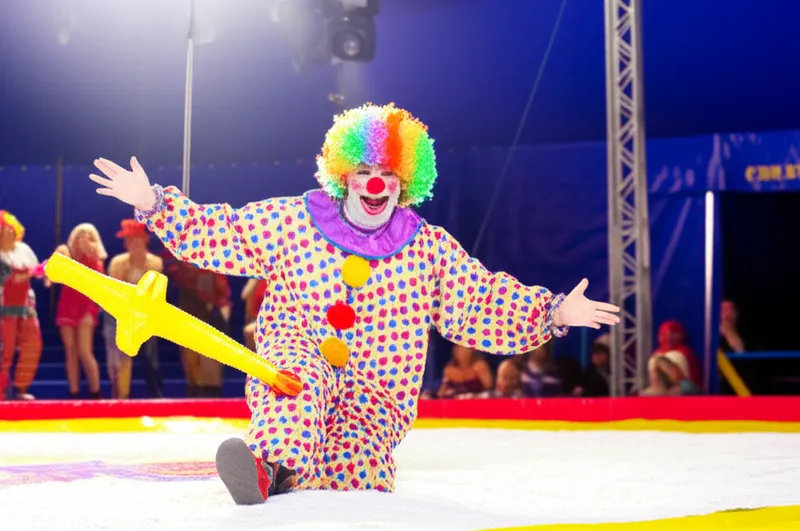

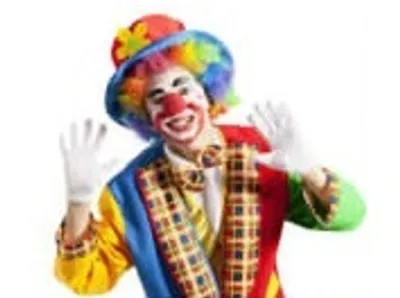
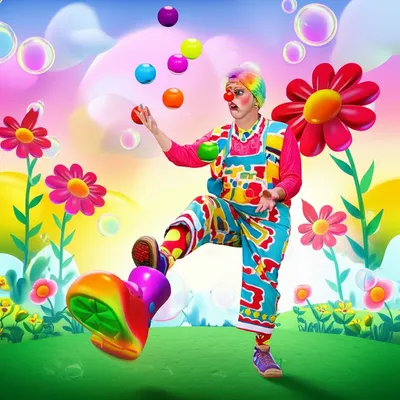
noun🔗Share小丑,滑稽演员。 A slapstick performance artist often associated with a circus and usually characterized by bright, oversized clothing, a red nose, face paint, and a brightly colored wig."The clown entertained the children at the school fair. "小丑在学校的游乐会上逗乐孩子们。entertainmentpersoncharactercultureartstyleappearanceChat with AIVocabulary GamePractice Reading
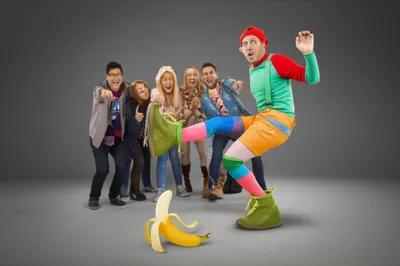
noun🔗Share小丑,丑角 A person who acts in a silly fashion."The clown at the birthday party made everyone laugh with his silly jokes and funny faces. "生日聚会上的那个小丑用他滑稽的笑话和鬼脸逗得大家哈哈大笑。personentertainmentcharacterChat with AIVocabulary GamePractice Reading
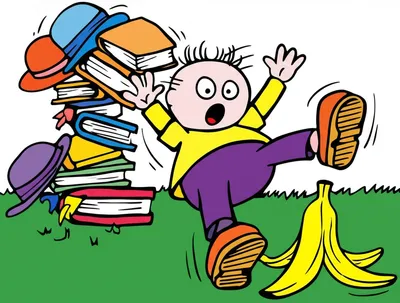
noun🔗Share小丑,笨蛋。 A stupid person."He spilled coffee all over the important documents; what a clown. "他把咖啡洒在重要文件上,真是个小丑,笨蛋。personcharacterattitudeChat with AIVocabulary GamePractice Reading
noun🔗Share粗人,乡巴佬. A man of coarse nature and manners; an awkward fellow; an illbred person; a boor."My uncle is a real clown at family gatherings; he always says inappropriate things and makes everyone uncomfortable. "我叔叔在家庭聚会上真是个粗人,他总是说些不得体的话,让大家都觉得不自在。characterpersonhumanChat with AIVocabulary GamePractice Reading
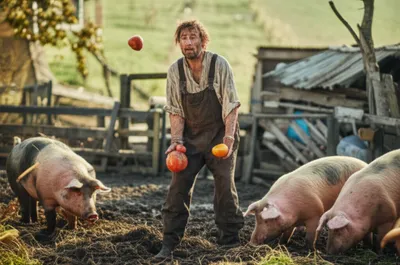
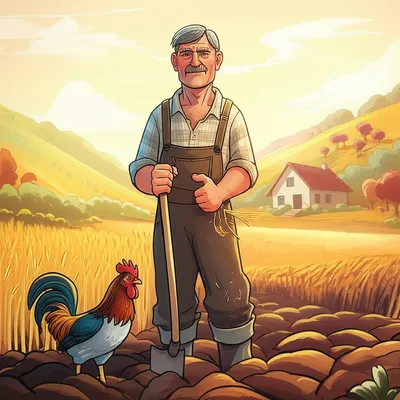
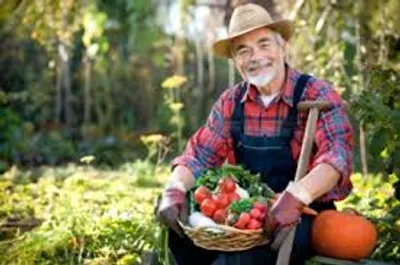
noun🔗Share乡巴佬,村夫,土包子 One who works upon the soil; a rustic; a churl; a yokel."The new farmhand was a clumsy clown, often tripping over things in the fields. "这个新来的农工是个笨手笨脚的土包子,经常在田里绊倒。personagriculturejobChat with AIVocabulary GamePractice Reading
verb🔗Share胡闹, 扮小丑. To act in a silly or playful fashion."My little brother likes to clown around after dinner, making funny faces and telling jokes. "我弟弟晚饭后总喜欢胡闹,一会儿扮鬼脸,一会儿讲笑话。entertainmentactioncharacterChat with AIVocabulary GamePractice Reading
verb🔗Share嘲笑,嘲弄。 To ridicule."The politician tried to clown the opposition's proposal, highlighting its flaws to make it seem ridiculous. "那位政客试图嘲弄反对派的提案,通过强调其中的缺陷来使其显得荒谬可笑。entertainmentattitudeactionhumancharacterChat with AIVocabulary GamePractice Reading