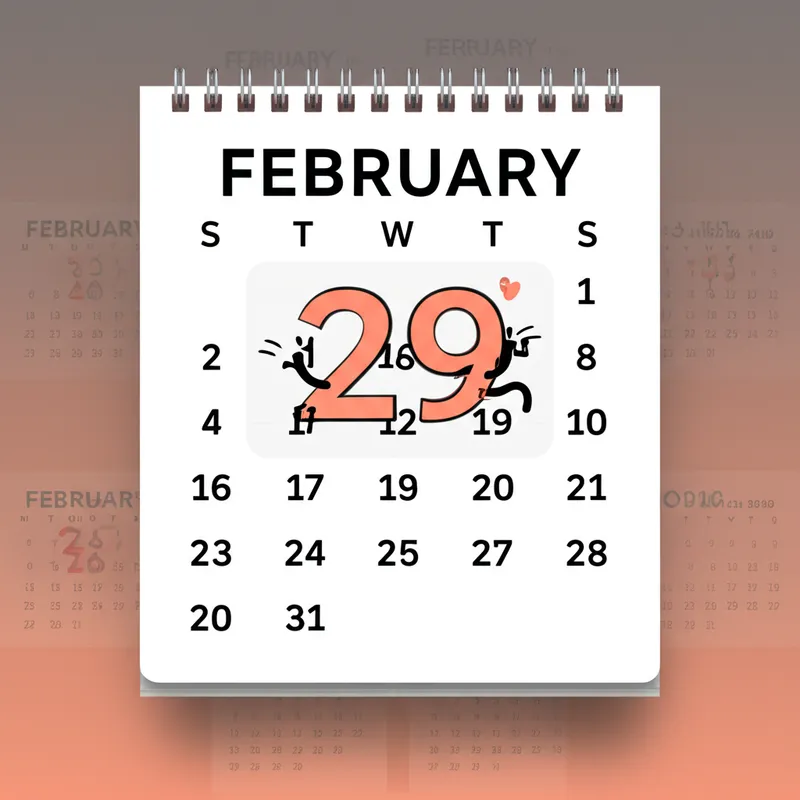


adjective🔗ShareBisiestoHaving an intercalary day, particularly the quadrennial leap day of the Julian and Gregorian calendars traditionally placed as a "second sixth" day before March 1st."The year 2024 is a bissextile year, meaning February has 29 days instead of 28. "El año 2024 es un año bisiesto, lo que significa que febrero tiene 29 días en lugar de 28.timenumberastronomyhistoryChat with AIVocabulary GamePractice Reading
noun🔗ShareAño bisiestoA year in the Julian or Gregorian calendars with an intercalary day added to February, used to adjust for the extra hours of the solar year; a 366-day year."Because 2024 was a bissextile, February had 29 days instead of 28. "Debido a que 2024 fue un año bisiesto, febrero tuvo 29 días en lugar de 28.timeastronomynumberhistoryChat with AIVocabulary GamePractice Reading
noun🔗ShareAño bisiesto(inexact) Any other year featuring intercalation, such as a year in a lunisolar calendar with 13 months instead of 12, used to maintain its alignment with the seasons of the solar year."The Hebrew calendar uses a bissextile every few years, adding an extra month to keep its holidays aligned with the agricultural seasons. "El calendario hebreo utiliza un año bisiesto cada pocos años, agregando un mes extra para mantener sus festividades alineadas con las estaciones agrícolas.timeastronomynumberperiodmathChat with AIVocabulary GamePractice Reading