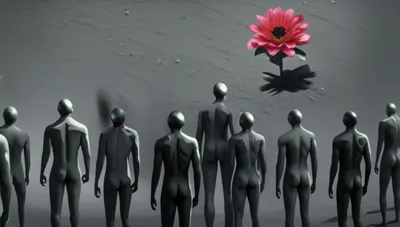
noun Descargar 🔗Compartir Ello One who is neither a he nor a she; a creature; a dehumanized being. Examples : "The factory treated the new worker like an it, ignoring their questions and concerns. " La fábrica trató al nuevo trabajador como un 'ello', ignorando sus preguntas y preocupaciones. being inhuman thing person essential Chat con IAJuego de vocabularioPracticar lectura
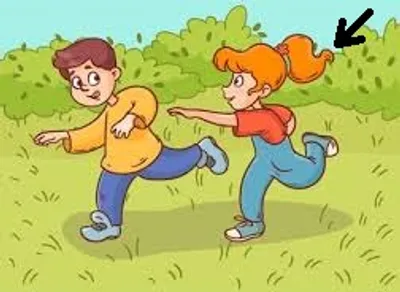
noun Descargar 🔗Compartir El que persigue The person who chases and tries to catch the other players in the playground game of tag. Examples : "In the next game, Adam and Tom will be it…" En el próximo juego, Adán y Tom serán el que persigue… game person sport essential Chat con IAJuego de vocabularioPracticar lectura
noun Descargar 🔗Compartir El juego del pilla pilla The game of tag. Examples : "My brother loves to play it after school. " A mi hermano le encanta jugar al pilla pilla después de la escuela. game sport entertainment essential Chat con IAJuego de vocabularioPracticar lectura
noun Descargar 🔗Compartir Atracción sexual, encanto Sex appeal, especially that which goes beyond beauty. Examples : "My sister's confidence and the way she carried herself had a certain it that made everyone notice her. " La confianza de mi hermana y la forma en que se comportaba tenían un cierto encanto que hacía que todos la notaran. appearance quality style character person sex essential Chat con IAJuego de vocabularioPracticar lectura
noun Descargar 🔗Compartir Sexo, actividad sexual Sexual activity. Examples : "caught them doing it" Los pillé teniendo sexo. sex body action human essential Chat con IAJuego de vocabularioPracticar lectura
noun Descargar 🔗Compartir Ello, fuerza vital A biological force that inhabits living beings, according to the vitalist approach of Georg Groddeck. Examples : "The vitalist idea of "it" suggests a driving force within a student, pushing them to succeed in school. " La idea vitalista de "Ello" sugiere una fuerza impulsora dentro de un estudiante, que lo empuja a tener éxito en la escuela. philosophy soul being mind body organism theory essential Chat con IAJuego de vocabularioPracticar lectura
adjective Descargar 🔗Compartir De moda, moderno Most fashionable. Examples : "That new phone is very it; everyone at school wants one. " Ese teléfono nuevo está muy de moda; todos en la escuela quieren uno. style appearance essential Chat con IAJuego de vocabularioPracticar lectura
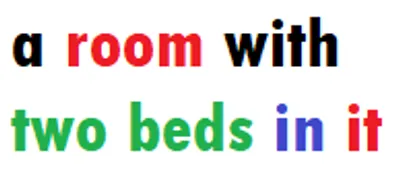
pronoun Descargar 🔗Compartir Ello, la, lo The third-person singular personal pronoun that is normally used to refer to an inanimate object or abstract entity, also often used to refer to animals. Examples : "I heard the sound of the school bus - it was early today." Escuché el sonido del autobús escolar - hoy llegó temprano. grammar language essential Chat con IAJuego de vocabularioPracticar lectura
pronoun Descargar 🔗Compartir Él, ella A third-person singular personal pronoun used to refer to a child, especially of unknown gender. Examples : "She took the baby and held it in her arms." Ella tomó al bebé y lo sostuvo en sus brazos. grammar language linguistics essential Chat con IAJuego de vocabularioPracticar lectura
pronoun Descargar 🔗Compartir Él, ella, ello Used to refer to someone being identified, often on the phone, but not limited to this situation. Examples : "Is it her?" ¿Es ella? language communication essential Chat con IAJuego de vocabularioPracticar lectura
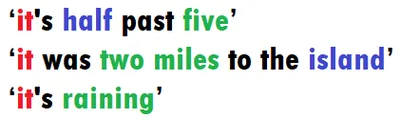
pronoun Descargar 🔗Compartir Ello The impersonal pronoun, used without referent as the subject of an impersonal verb or statement. (known as the dummy pronoun or weather it) Examples : "It is nearly 10 o’clock." Son casi las 10 en punto. grammar language linguistics essential Chat con IAJuego de vocabularioPracticar lectura
pronoun Descargar 🔗Compartir Ello The impersonal pronoun, used without referent in various short idioms. Examples : "It's raining cats and dogs outside. " Está lloviendo a cántaros afuera. grammar language essential Chat con IAJuego de vocabularioPracticar lectura
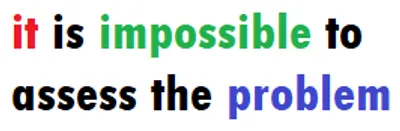
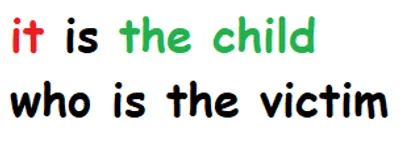
pronoun Descargar 🔗Compartir Ello, lo, la The impersonal pronoun, used as a placeholder for a delayed subject, or less commonly, object; known as the dummy pronoun or, more formally in linguistics, a syntactic expletive. The delayed subject is commonly a to-infinitive, a gerund, or a noun clause introduced by a . Examples : "He saw to it that everyone would vote for him. (with the noun clause introduced by that)" Se aseguró de que todos votaran por él. grammar linguistics language essential Chat con IAJuego de vocabularioPracticar lectura
pronoun Descargar 🔗Compartir Fin, el final All or the end; something after which there is no more. Examples : "Are there more students in this class, or is this it?" ¿Hay más estudiantes en esta clase, o es esto el final? time outcome essential Chat con IAJuego de vocabularioPracticar lectura
pronoun Descargar 🔗Compartir El, ella, elle A third-person singular personal pronoun used to refer to an animate referent who is transgender or is neither female nor male. Examples : "My friend, who is transgender, said it was a difficult day at school. " Mi amigue, que es transgénero, dijo que fue un día difícil en la escuela. language linguistics grammar person culture society essential Chat con IAJuego de vocabularioPracticar lectura
pronoun Descargar 🔗Compartir Lo que Followed by an omitted and understood relative pronoun: That which; what. Examples : "The new math problem was difficult; it stumped everyone in the class. " El nuevo problema de matemáticas era difícil; lo que dejó perplejos a todos en la clase. language grammar essential Chat con IAJuego de vocabularioPracticar lectura
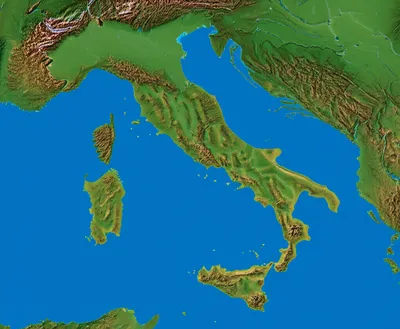
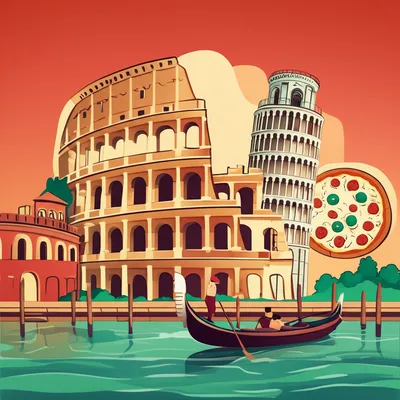
proper noun Descargar 🔗Compartir Italia A large peninsula in Southern Europe protruding into the Mediterranean Sea and shaped like a boot. The mountain range of Apennines runs across it from north to south. Occupied almost entirely by Italy. Examples : "My geography teacher said Italy's boot shape is called "the Italian Peninsula," and it is a very large peninsula in Southern Europe. " Mi profesor de geografía dijo que la forma de bota de Italia se llama "la península italiana", y es una península muy grande en el sur de Europa. geography nation place world continent essential Chat con IAJuego de vocabularioPracticar lectura
proper noun Descargar 🔗Compartir Italia A country in southern Europe. Official name: Italian Republic. Examples : "My cousin is studying in Italy. " Mi primo está estudiando en Italia. nation geography place essential Chat con IAJuego de vocabularioPracticar lectura
proper noun Descargar 🔗Compartir Italiano Abbreviation of Italian. (language) Examples : "My Italian grandmother speaks fluent Italian, but I only know a few basic words like "buongiorno" and "grazie." " Mi abuela italiana habla italiano con fluidez, pero solo sé algunas palabras básicas como "buongiorno" y "grazie". language essential Chat con IAJuego de vocabularioPracticar lectura