
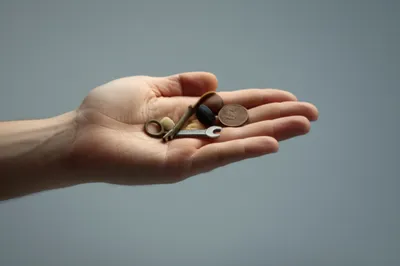





verb🔗ShareTener, poseerTo possess, own."I have a house and a car."Tengo una casa y un coche.propertyassetbusinesseconomyChat with AIVocabulary GamePractice Reading
verb🔗ShareTener, poseerTo hold, as something at someone's disposal."The teacher has a new textbook for the students. "El profesor tiene un nuevo libro de texto para los estudiantes.utilitypropertybusinessChat with AIVocabulary GamePractice Reading
verb🔗ShareTiene, poseeUsed to state the existence or presence of someone in a specified relationship with the subject."I have a really mean boss."Tengo un jefe muy malo.languagegrammarChat with AIVocabulary GamePractice Reading
verb🔗ShareTomar, comerTo partake of (a particular substance, especially food or drink, or action or activity)."Can I have a look at that?"¿Puedo echarle un vistazo a eso?fooddrinkactionChat with AIVocabulary GamePractice Reading
verb🔗ShareAsistir a, participar enTo be scheduled to attend, undertake or participate in."My sister has a doctor's appointment next Tuesday. "Mi hermana tiene una cita con el médico el próximo martes.plantimeorganizationeventChat with AIVocabulary GamePractice Reading
verb🔗ShareTener, experimentarTo experience, go through, undergo."He had surgery on his hip yesterday."Ayer le hicieron una cirugía en la cadera.actionconditionChat with AIVocabulary GamePractice Reading
verb🔗ShareSufrir de, tenerTo be afflicted with, suffer from."He had a cold last week."Tuvo un resfriado la semana pasada.medicinesufferingChat with AIVocabulary GamePractice Reading
verb🔗ShareHa(auxiliary verb, taking a past participle) Used in forming the perfect aspect."I had already eaten."Ya había comido.grammarlanguageChat with AIVocabulary GamePractice Reading
verb🔗ShareTenerUsed as an interrogative verb before a pronoun to form a tag question, echoing a previous use of 'have' as an auxiliary verb or, in certain cases, main verb. (For further discussion, see the appendix English tag questions.)"My sister is studying hard, hasn't she? "¿Mi hermana está estudiando mucho, verdad?grammarlinguisticsChat with AIVocabulary GamePractice Reading
verb🔗ShareTener que(auxiliary verb, taking a to-infinitive) See have to."I have to go."Tengo que irme.grammarlanguageChat with AIVocabulary GamePractice Reading
verb🔗ShareDar a luz, parirTo give birth to."My mother had me when she was 25."Mi madre me dio a luz cuando tenía 25 años.familyorganismbiologyChat with AIVocabulary GamePractice Reading
verb🔗ShareTener relaciones sexuales conTo engage in sexual intercourse with."My neighbor has a new partner. "Mi vecino tiene relaciones sexuales con una nueva pareja.sexhumanactionChat with AIVocabulary GamePractice Reading
verb🔗ShareTener una relación, salir conTo accept as a romantic partner."Despite my protestations of love, she would not have me."A pesar de mis protestas de amor, ella no quería tener una relación conmigo.familysexhumanChat with AIVocabulary GamePractice Reading
verb🔗ShareHacer, dejar(transitive with bare infinitive) To cause to, by a command, request or invitation."They had me feed their dog while they were out of town."Me hicieron alimentar a su perro mientras estaban fuera de la ciudad.languagegrammarChat with AIVocabulary GamePractice Reading
verb🔗ShareHacer ser(transitive with adjective or adjective-phrase complement) To cause to be."He had him arrested for trespassing."Lo hizo arrestar por allanamiento de morada.languagegrammarChat with AIVocabulary GamePractice Reading
verb🔗ShareSufrir, experimentar(transitive with bare infinitive) To be affected by an occurrence. (Used in supplying a topic that is not a verb argument.)"My family has been affected by the recent changes at their work. "Mi familia ha sufrido los recientes cambios en su trabajo.languagegrammarChat with AIVocabulary GamePractice Reading
verb🔗ShareTener por(transitive with adjective or adjective-phrase complement) To depict as being."The painting has the artist's daughter as a very happy child. "La pintura tiene a la hija del artista por una niña muy feliz.languagelinguisticsChat with AIVocabulary GamePractice Reading
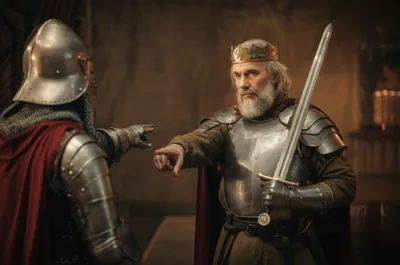
verb🔗ShareVencer, tenerTo defeat in a fight; take."I could have him!"¡Podría vencerlo!militarywaractionChat with AIVocabulary GamePractice Reading
verb🔗ShareSaber hablar(obsolete outside Ireland) To be able to speak (a language)."I have no German."No sé alemán.languagelinguisticsabilityChat with AIVocabulary GamePractice Reading
verb🔗ShareSentir, experimentarTo feel or be (especially painfully) aware of."Dan certainly has arms today, probably from scraping paint off four columns the day before."Dan ciertamente siente dolor en los brazos hoy, probablemente por raspar la pintura de cuatro columnas el día anterior.sensationmindsufferingconditionChat with AIVocabulary GamePractice Reading
verb🔗ShareEngañar, timarTo trick, to deceive."You had me alright! I never would have thought that was just a joke."¡Me has engañado! Nunca hubiera pensado que eso era solo una broma.actioncharactermoralmindChat with AIVocabulary GamePractice Reading
verb🔗SharePermitir, tolerar(often with present participle) To allow; to tolerate."The teacher has allowed the students to finish their work early today. "El profesor ha permitido a los estudiantes terminar su trabajo temprano hoy.attitudeactionChat with AIVocabulary GamePractice Reading
verb🔗ShareCreer, ser engañado(often used in the negative) To believe, buy, be taken in by."My sister has the idea that she'll get a promotion next month, but she hasn't done much extra work lately. "Mi hermana cree que la van a ascender el mes que viene, pero últimamente no ha hecho mucho trabajo extra.mindattitudeChat with AIVocabulary GamePractice Reading
verb🔗ShareHospedar, recibirTo host someone; to take in as a guest."Thank you for having me!"¡Gracias por hospedarme!familyhumanpersonChat with AIVocabulary GamePractice Reading
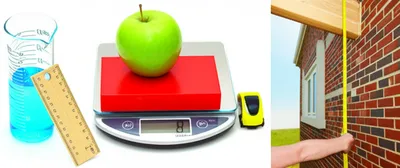
verb🔗ShareTener, obtenerTo get a reading, measurement, or result from an instrument or calculation."I have two contacts on my scope."Tengo dos contactos en mi osciloscopio.technicalsciencemathtechnologyChat with AIVocabulary GamePractice Reading
verb🔗ShareDeliberar(of a jury) To consider a court proceeding that has been completed; to begin deliberations on a case."The jury has begun considering the evidence in the trial. "El jurado ha comenzado a deliberar sobre las pruebas en el juicio.lawgovernmentpoliticsChat with AIVocabulary GamePractice Reading
verb🔗ShareObservarTo make an observation of (a bird species)."The ornithologist has the rare species of bluebird. "El ornitólogo observa la rara especie de pájaro azul.birdanimalnatureChat with AIVocabulary GamePractice Reading