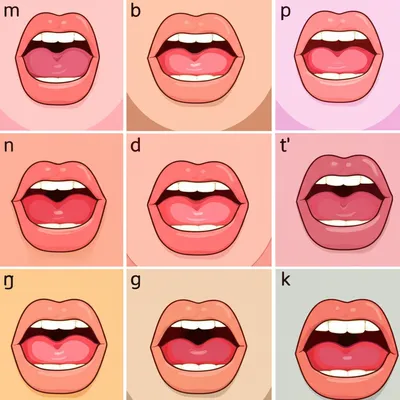
noun Descargar 🔗Compartir Una consonante que tiene el mismo lugar de articulación que otra A consonant having the same place of articulation as another. Examples : "The English sounds /m/ in "ham" and /p/ in "hip" are not homorganic because they are produced in different parts of the mouth. " Los sonidos ingleses /m/ en "ham" y /p/ en "hip" no son homorgánicos porque se producen en diferentes partes de la boca. phonetics linguistics language word Chat con IAJuego de vocabularioPracticar lectura
adjective Descargar 🔗Compartir Homorgánico Of consonants: having the same place of articulation. For example, labial m, b, p, alveolar n, d, t, velar ŋ, g, k. Indic alphabets such as Devanagari, as well as the Korean hangul alphabet, are rationally arranged so that homorganic consonants are grouped together. Examples : "The language textbook grouped the homorganic consonants together, making it easier to learn their pronunciation. " El libro de texto de idiomas agrupó las consonantes homorgánicas, facilitando el aprendizaje de su pronunciación. language phonetics linguistics Chat con IAJuego de vocabularioPracticar lectura
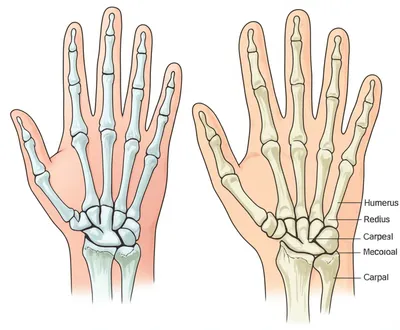
adjective Descargar 🔗Compartir Homorgánico Produced by the same or homologous organs Examples : "The sounds /p/ and /b/ are homorganic because they are both produced using the lips. " Los sonidos /p/ y /b/ son homorgánicos porque ambos se producen usando los labios. phonetics language linguistics organ physiology anatomy biology Chat con IAJuego de vocabularioPracticar lectura