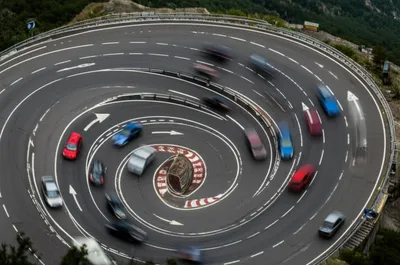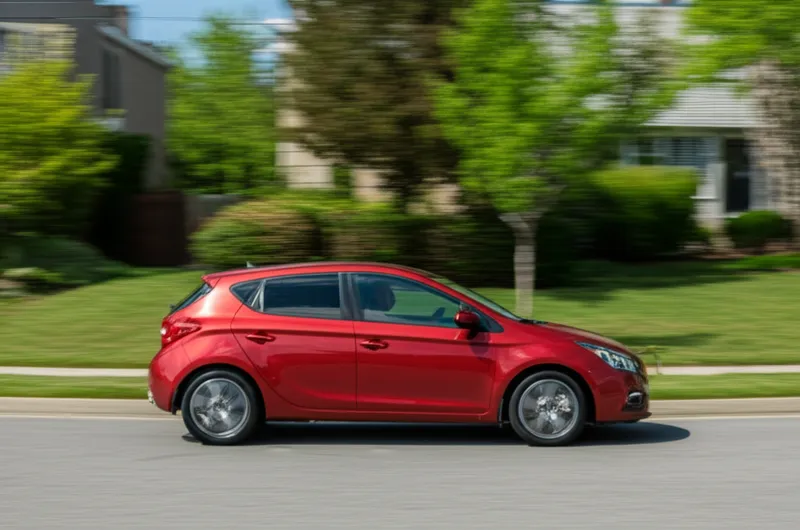

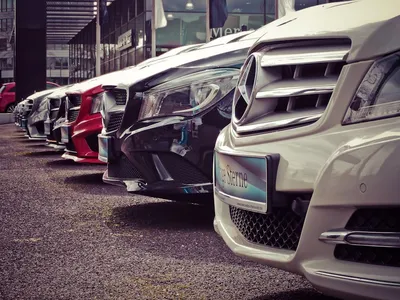




noun🔗ShareCoches, automóvilesA wheeled vehicle that moves independently, with at least three wheels, powered mechanically, steered by a driver and mostly for personal transportation."She drove her car to the mall."Ella condujo su coche al centro comercial.vehiclemachinetechnologyindustryChat with AIVocabulary GamePractice Reading
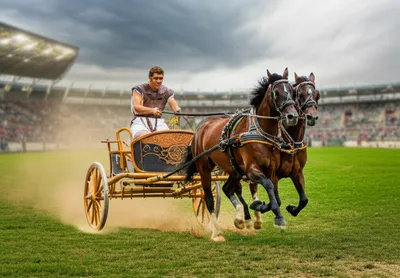
noun🔗ShareCarro, carruajeA wheeled vehicle, drawn by a horse or other animal; a chariot."In ancient Rome, races were often held with cars drawn by powerful horses. "En la antigua Roma, las carreras se celebraban a menudo con carros tirados por caballos poderosos.vehicleChat with AIVocabulary GamePractice Reading
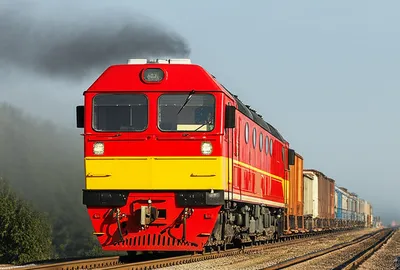
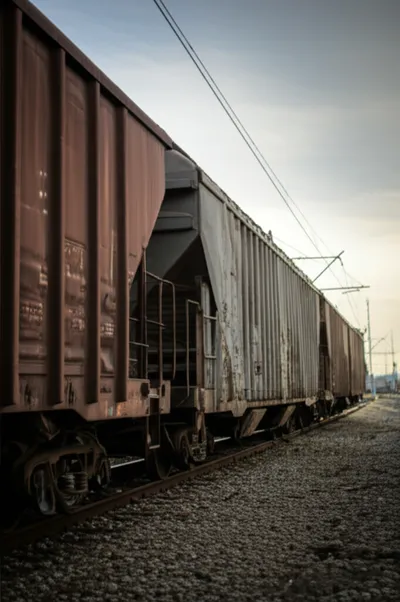
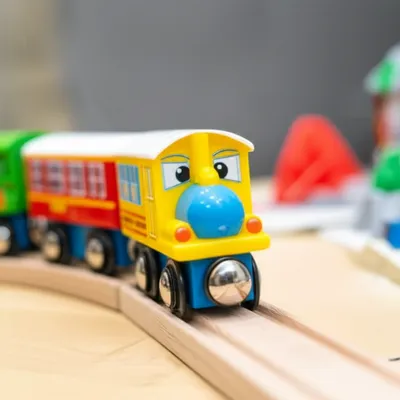
noun🔗ShareVagónAn unpowered unit in a railroad train."The conductor coupled the cars to the locomotive."El conductor acopló los vagones a la locomotora.vehiclemachineChat with AIVocabulary GamePractice Reading
noun🔗ShareVagones, cochesAn individual vehicle, powered or unpowered, in a multiple unit."The 11:10 to London was operated by a 4-car diesel multiple unit."El tren de las 11:10 a Londres fue operado por una unidad múltiple diésel de 4 coches.vehiclemachinetrafficChat with AIVocabulary GamePractice Reading
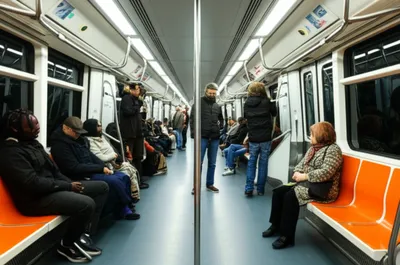
noun🔗ShareVagónA passenger-carrying unit in a subway or elevated train, whether powered or not."From the frontmost car of the subway, he filmed the progress through the tunnel."Desde el vagón delantero del metro, filmó el progreso a través del túnel.vehicleunitChat with AIVocabulary GamePractice Reading
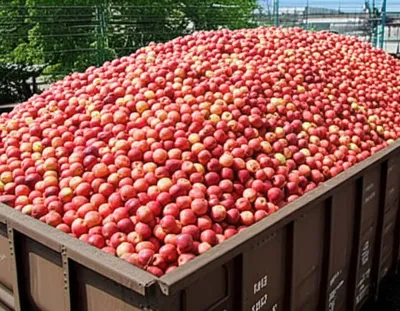
noun🔗ShareCarga de vagónA rough unit of quantity approximating the amount which would fill a railroad car."We ordered five hundred cars of gypsum."Pedimos quinientas cargas de vagón de yeso.amountvehicleunitChat with AIVocabulary GamePractice Reading
noun🔗ShareCabina, vagónThe moving, load-carrying component of an elevator or other cable-drawn transport mechanism."Fix the car of the express elevator - the door is sticking."Arregla la cabina del ascensor exprés: la puerta se atasca.vehiclemachinebuildingChat with AIVocabulary GamePractice Reading
noun🔗ShareVagones, cabinasThe passenger-carrying portion of certain amusement park rides, such as Ferris wheels."The most exciting part of riding a Ferris wheel is when your car goes over the top."La parte más emocionante de subir a una noria es cuando tu vagón llega a la cima.entertainmentvehiclepartChat with AIVocabulary GamePractice Reading
noun🔗ShareGóndolaThe part of an airship, such as a balloon or dirigible, which houses the passengers and control apparatus.""The passengers enjoyed the views from the cars of the airship." "Los pasajeros disfrutaron de las vistas desde la góndola del dirigible.vehiclenauticaltechnologymachinepartChat with AIVocabulary GamePractice Reading
noun🔗ShareCarroA sliding fitting that runs along a track."The stage curtains moved smoothly because the cars on the track were well-oiled. "Las cortinas del escenario se movieron suavemente porque los carros de la pista estaban bien aceitados.vehiclepartnauticalmachineChat with AIVocabulary GamePractice Reading
noun🔗ShareCaracterísticas, cualidadesThe aggregate of desirable characteristics of a car."Buy now! You can get more car for your money."¡Compra ahora! Puedes obtener más características por tu dinero.vehicletechnologymachinequalityChat with AIVocabulary GamePractice Reading
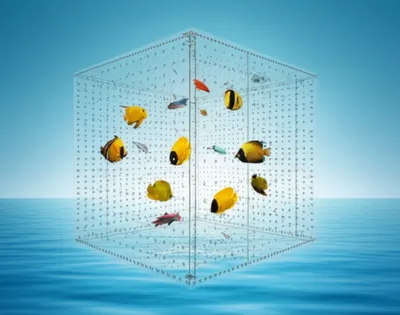
noun🔗ShareCesta para pecesA floating perforated box for living fish."The fisherman carefully transferred the live trout from his boat into the cars anchored near the shore, keeping them fresh until market day. "El pescador transfirió cuidadosamente las truchas vivas de su bote a las cestas para peces ancladas cerca de la orilla, manteniéndolas frescas hasta el día del mercado.fishnauticalChat with AIVocabulary GamePractice Reading
noun🔗ShareCurvas, girosA turn."The cars in the road caused the traffic to move slowly around the accident. "Las curvas en la carretera hicieron que el tráfico se moviera lentamente alrededor del accidente.vehicletrafficChat with AIVocabulary GamePractice Reading
noun🔗ShareLa primera parte de un cons en LISP. El primer elemento de una listaThe first part of a cons in LISP. The first element of a list"To get the first element of the list, we used the function that returns the cars of the list. "Para obtener el primer elemento de la lista, usamos la función que devuelve los 'cars' de la lista.computinglistpartelementChat with AIVocabulary GamePractice Reading