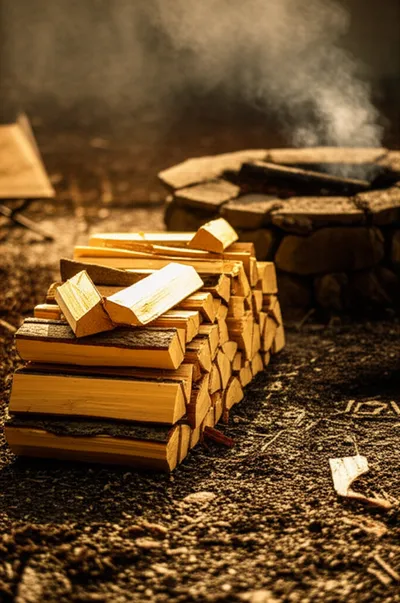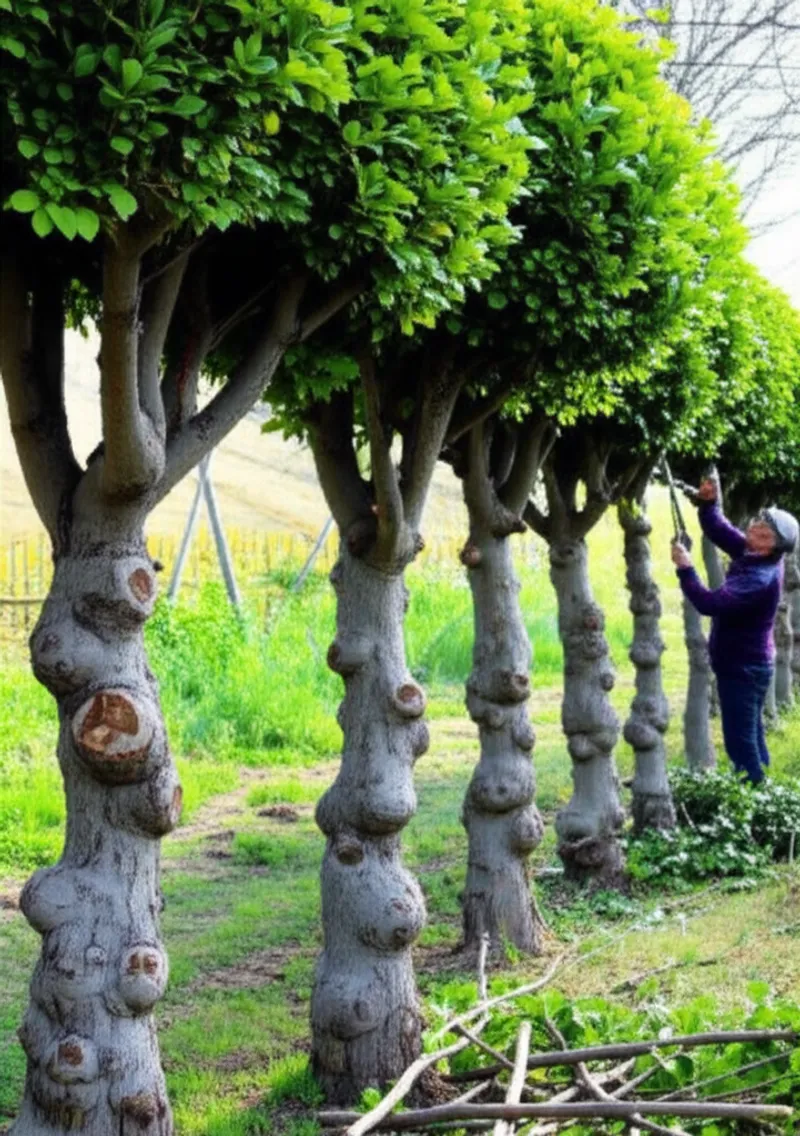

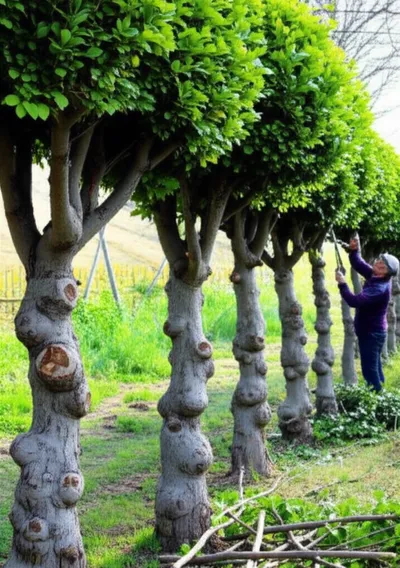
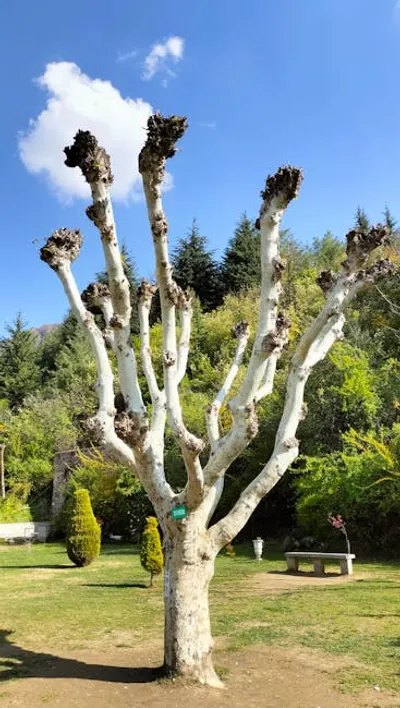

noun🔗ShareÁrbol podado, madera de tales árbolesA pruned tree; the wood of such trees."The farmer collected the pollards from the willow trees to use as firewood. "El granjero recogió la madera de los árboles podados de los sauces para usarla como leña.natureplantagricultureenvironmentChat with AIVocabulary GamePractice Reading
noun🔗ShareCiervo sin cuernosA buck deer that has shed its antlers.""In late winter, the field was full of pollards, their heads smooth and antlerless after shedding their racks." "A finales del invierno, el campo estaba lleno de ciervos sin cuernos, con la cabeza lisa y sin astas después de desprenderse de sus cuernas.animalbodynatureorganismChat with AIVocabulary GamePractice Reading
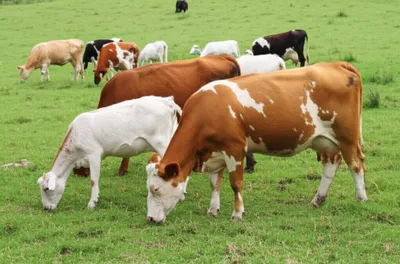
noun🔗ShareAnimales sin cuernosA hornless variety of domestic animal, as cattle or goats."The farmer preferred to raise pollards because they were less likely to injure each other in the crowded barn. "El granjero prefería criar animales sin cuernos porque era menos probable que se lastimaran entre sí en el abarrotado establo.animalagricultureChat with AIVocabulary GamePractice Reading
noun🔗ShareCachoA European chub (Squalius cephalus, syn. Leuciscus cephalus), a kind of fish."The fisherman proudly displayed the pollards he had caught in the river that morning. "El pescador exhibió con orgullo los cachos que había pescado en el río esa mañana.fishanimalChat with AIVocabulary GamePractice Reading
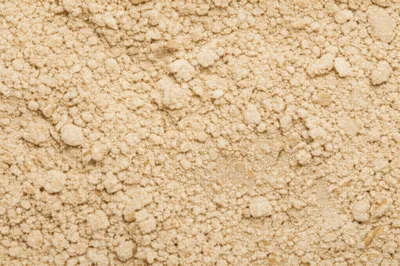
noun🔗ShareSalvado finoA fine grade of bran including some flour."The farmer fed the chickens a mixture of grains, including pollards, to give them extra nutrients. "El granjero alimentó a las gallinas con una mezcla de granos, incluyendo salvado fino, para darles nutrientes adicionales.foodagricultureChat with AIVocabulary GamePractice Reading
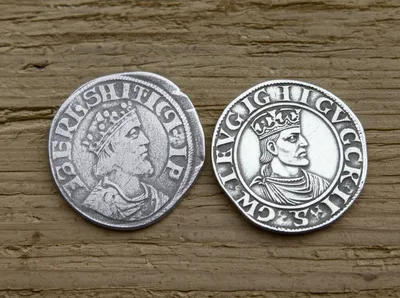
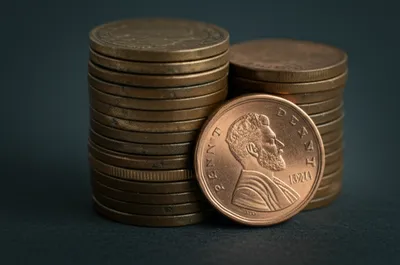
noun🔗SharePollard, una moneda europea del siglo XIIIA 13th-century European coin minted as a debased counterfeit of the sterling silver penny of Edward I of England, at first legally accepted as a halfpenny and then outlawed.""Back in the 13th century, people sometimes unknowingly accepted pollards as payment, thinking they were real silver pennies, only to find out later they were debased counterfeits." "En el siglo XIII, la gente a veces aceptaba sin saberlo pollards como pago, pensando que eran peniques de plata reales, solo para descubrir más tarde que eran falsificaciones degradadas.historyeconomyfinancevalueChat with AIVocabulary GamePractice Reading