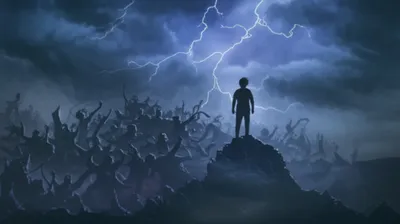
noun🔗Share敵対者, 敵An opponent or enemy."In the school play, the hero and the villains were clear antagonists, always fighting for opposite goals. "学芸会では、ヒーローと悪役は明確な敵対者であり、常に相反する目標のために戦っていました。storycharacterliteratureChat with AIVocabulary GamePractice Reading
noun🔗Share敵対者, 敵One who antagonizes or stirs."In the school play, the antagonists tried to stop the hero from achieving his goal. "学芸会で、敵対者は主人公が目標を達成するのを阻止しようとした。characterstorypersonChat with AIVocabulary GamePractice Reading
noun🔗Share拮抗薬A chemical that binds to a receptor but does not produce a physiological response, blocking the action of agonist chemicals."2001: The calcium antagonists represent one of the top ten classes of prescription drugs in terms of commercial value, with worldwide sales of nearly $10 billion in 1999. — Leslie Iversen, Drugs: A Very Short Introduction (Oxford 2001, p. 41)"2001年:カルシウム拮抗薬は、商業的価値の点で処方薬のトップ10クラスの1つであり、1999年には世界中で約100億ドルの売り上げがありました。— レスリー・イバーセン、Drugs: A Very Short Introduction (オックスフォード 2001, p. 41)medicinebiochemistryphysiologybiologychemistryChat with AIVocabulary GamePractice Reading
noun🔗Share敵役, 敵対者(authorship) The main character or force opposing the protagonist in a literary work or drama."In the school play, the protagonists were the heroes, while the antagonists were the bullies trying to steal their lunch money. "学芸会では、主人公がヒーローで、敵役は彼らの昼食代を盗もうとするいじめっ子でした。characterliteraturestoryChat with AIVocabulary GamePractice Reading
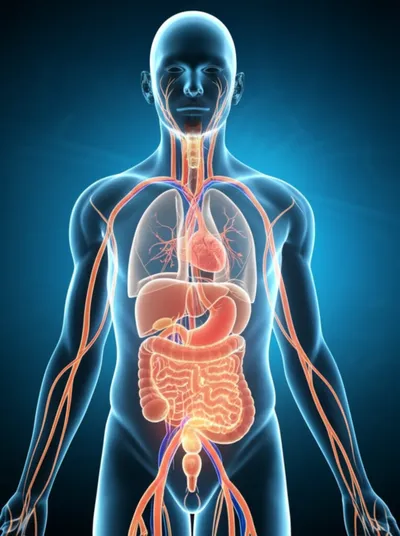
noun🔗Share拮抗筋A muscle that acts in opposition to another."A flexor, which bends a part, is the antagonist of an extensor, which extends it."ある部分を曲げる屈筋は、それを伸ばす伸筋の拮抗筋です。physiologyanatomybodyChat with AIVocabulary GamePractice Reading