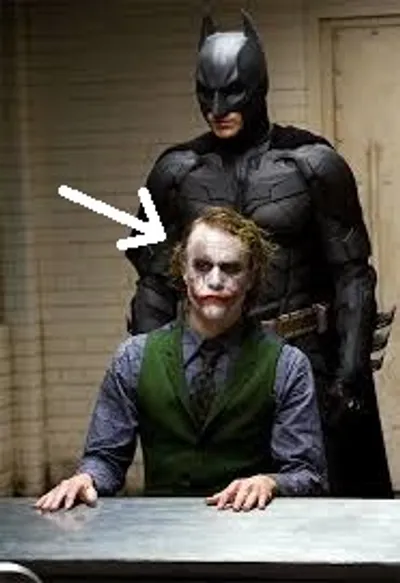
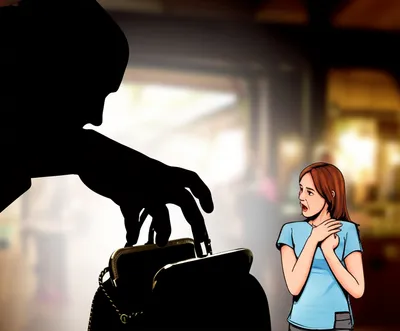
noun ダウンロード 🔗共有 悪党, 悪者 A vile, wicked person. Examples : "The school bully was a real villain, always stealing lunch money and pushing other kids around. " 学校のいじめっ子は本当に悪者で、いつも昼食代を盗んだり、他の子供たちを突き飛ばしたりしていました。 character person story moral AIとチャット語彙ゲーム読解練習
noun ダウンロード 🔗共有 悪役, 敵役 In fiction, a character who has the role of being bad, especially antagonizing the hero. Examples : "The villain in the school play was a very mean bully. " 学芸会の悪役はとても意地悪ないじめっ子でした。 character literature entertainment story AIとチャット語彙ゲーム読解練習
noun ダウンロード 🔗共有 悪役, 敵 Any opponent player, especially a hypothetical player for example and didactic purposes. Compare: hero. Examples : "In our school debate, the villain argued against the proposed student council rules. " 私たちの学校の討論会で、悪役は提案された生徒会規則に反対しました。 character literature entertainment story game AIとチャット語彙ゲーム読解練習
verb ダウンロード 🔗共有 堕落させる, 貶める To debase; to degrade. Examples : "The company's management decided to villain the honest employee by falsely accusing him of theft to avoid paying his severance package. " 会社の経営陣は、退職金を支払わないために、誠実な従業員を窃盗の罪で不当に告発し、堕落させることを決定した。 moral character value AIとチャット語彙ゲーム読解練習
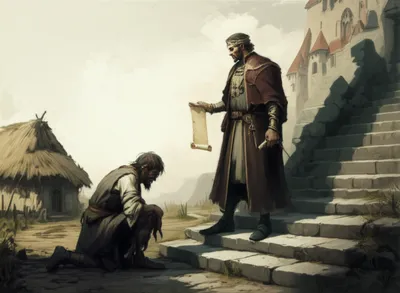
noun ダウンロード 🔗共有 農奴、家臣 A feudal tenant. Examples : "The villain in the dispute over the family farm was a tenant with a long-standing claim to the land. " 家族の農地をめぐる紛争における農奴は、その土地に対する長年の権利を主張する家臣でした。 history job person society AIとチャット語彙ゲーム読解練習