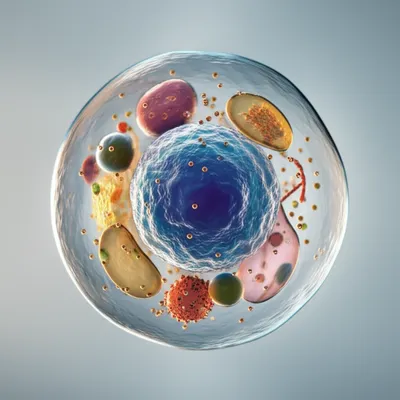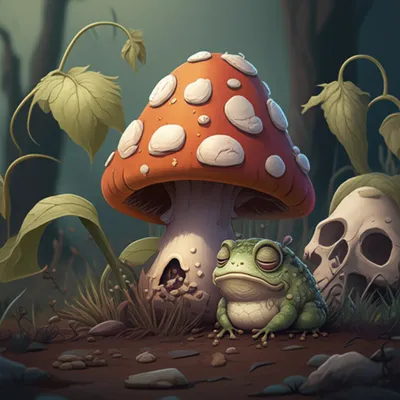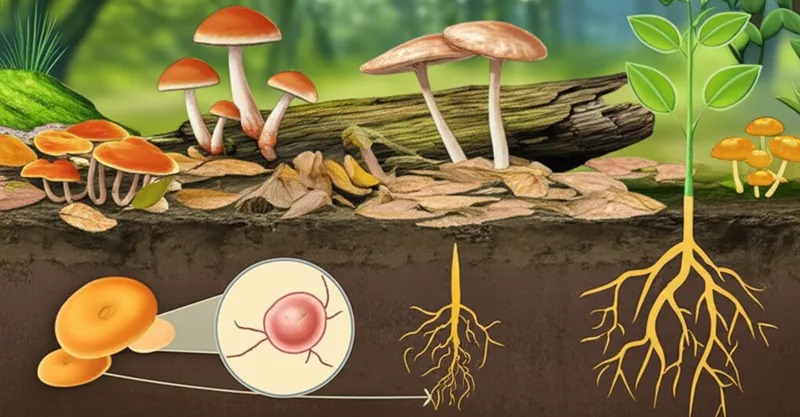

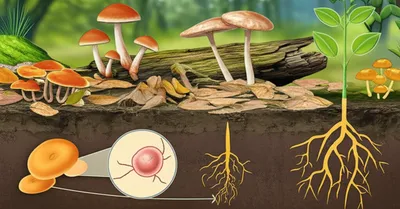
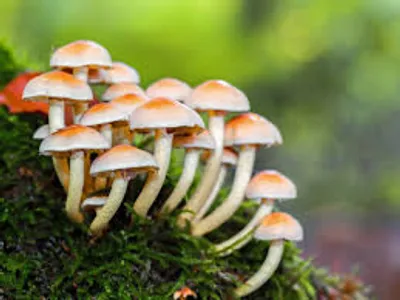

noun🔗Share菌類Any member of the kingdom Fungi; a eukaryotic organism typically having chitin cell walls but no chlorophyll or plastids. Fungi may be unicellular or multicellular."After the heavy rain, we saw many fungi, like mushrooms and toadstools, growing in the garden. "大雨の後、庭にはキノコや毒キノコなど、多くの菌類が生えていました。organismbiologynatureChat with AIVocabulary GamePractice Reading
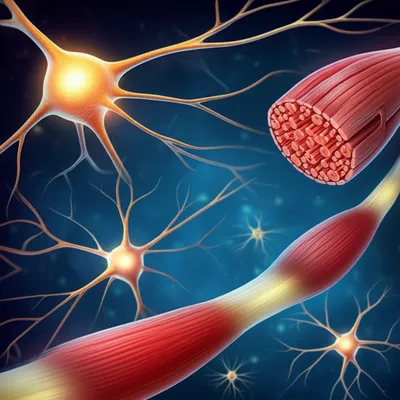
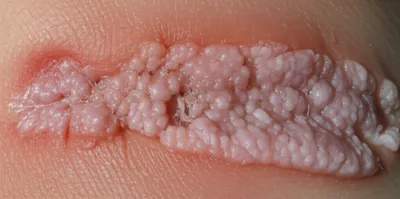
noun🔗Share海綿状の異常な隆起A spongy, abnormal excrescence, such as excessive granulation tissue formed in a wound."The doctor removed the fungi from the wound, which was preventing it from healing properly. "医者は傷から海綿状の隆起を取り除き、それが適切に治癒するのを妨げていました。medicinebiologyChat with AIVocabulary GamePractice Reading
noun🔗Shareファンギ音楽A style of folk and popular music from the Virgin Islands, traditionally performed by bands consisting of ukulele, banjo, guitar and washboard with various percussion instruments on rhythm."The local band played a lively fungi performance at the school talent show. "地元のバンドは、学校の才能発表会で活気のあるファンギ音楽のパフォーマンスを披露しました。musiccultureentertainmentstyletraditionChat with AIVocabulary GamePractice Reading
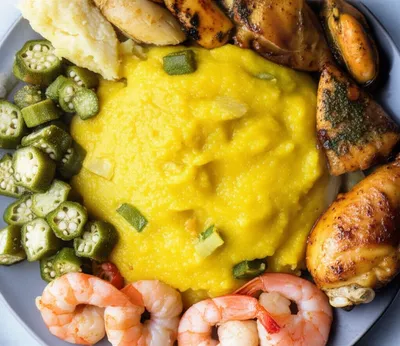
noun🔗Shareカリブ海で食べられるトウモロコシ粉料理で、通常オクラと一緒に作られ、塩漬け魚、貝類、または鶏肉と一緒に提供されます。バリアントレシピは、クー・クーまたはクー・クーとしても知られています。A cornmeal dish eaten in the Caribbean, usually made with okra and served with salt fish, shellfish or chicken; variant recipes are also known as cou-cou (coucou) or coo-coo (coocoo)."My grandmother always makes fungi with okra for Sunday lunch, and we love to eat it with fried fish. "祖母はいつも日曜日のランチにオクラと一緒にファンギを作り、私たちはそれを揚げ魚と一緒に食べるのが大好きです。foodcultureChat with AIVocabulary GamePractice Reading