

noun ダウンロード 🔗共有 他の子音と同じ調音位置を持つ子音 A consonant having the same place of articulation as another. Examples : "The English sounds /m/ in "ham" and /p/ in "hip" are not homorganic because they are produced in different parts of the mouth. " 英語の音「ham」の/m/と「hip」の/p/は、口の異なる部分で生成されるため、同調音ではありません。 phonetics linguistics language word AIとチャット語彙ゲーム読解練習
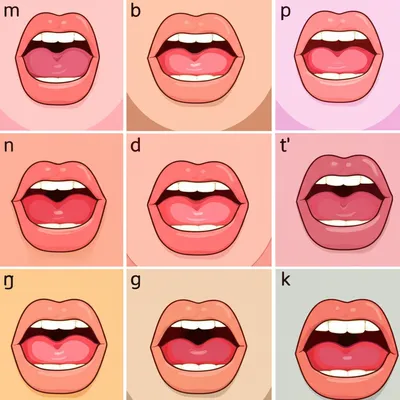
adjective ダウンロード 🔗共有 同所的な Of consonants: having the same place of articulation. For example, labial m, b, p, alveolar n, d, t, velar ŋ, g, k. Indic alphabets such as Devanagari, as well as the Korean hangul alphabet, are rationally arranged so that homorganic consonants are grouped together. Examples : "The language textbook grouped the homorganic consonants together, making it easier to learn their pronunciation. " 言語教科書は同所的な子音をまとめてグループ化し、その発音を学びやすくしました。 language phonetics linguistics AIとチャット語彙ゲーム読解練習
adjective ダウンロード 🔗共有 同器官の Produced by the same or homologous organs Examples : "The sounds /p/ and /b/ are homorganic because they are both produced using the lips. " /p/と/b/の音は、両方とも唇を使って発音されるため、同器官の音です。 phonetics language linguistics organ physiology anatomy biology AIとチャット語彙ゲーム読解練習