noun ダウンロード 🔗共有 歯茎音 An alveolar consonant Examples : ""In English, 't' and 'd' are alveolar sounds because the tongue touches the alveolar ridge behind the upper teeth to pronounce them." " 英語では、「t」と「d」は、舌が発音するために上の歯の後ろの歯茎に触れるため、歯茎音です。 phonetics language linguistics AIとチャット語彙ゲーム読解練習
adjective ダウンロード 🔗共有 歯槽の Of or relating to an alveolus. Examples : "The doctor examined the patient's alveolar sacs to check for any damage. " 医師は、損傷がないか確認するために、患者の歯槽嚢を検査しました。 anatomy physiology medicine biology AIとチャット語彙ゲーム読解練習
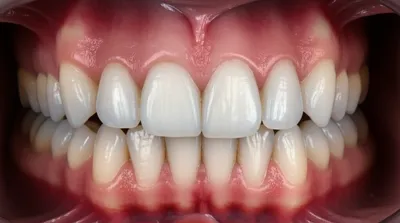
adjective ダウンロード 🔗共有 歯槽の、歯槽堤に関する Relating to the jaw ridge containing the tooth sockets. Examples : "The dentist examined the patient's alveolar bone to check for bone loss around the teeth. " 歯科医は、歯の周りの骨の損失を確認するために、患者の歯槽骨を検査しました。 anatomy physiology medicine biology organ linguistics phonetics AIとチャット語彙ゲーム読解練習
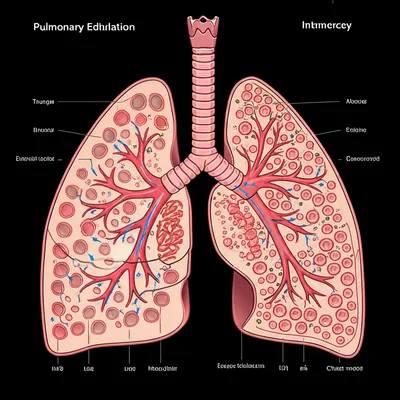
adjective ダウンロード 🔗共有 肺胞に関する Relating to the alveoli (small air sacs) of the lungs. Examples : "The doctor explained that the patient's alveolar sacs were inflamed, making breathing difficult. " 医者は、患者の肺胞が炎症を起こし、呼吸が困難になっていると説明しました。 anatomy physiology medicine biology organ body AIとチャット語彙ゲーム読解練習
adjective ダウンロード 🔗共有 歯茎の Formed with the tongue touching or approaching the inner ridge of the gums of the upper front teeth. Examples : "When pronouncing the sounds "t" and "d," your tongue makes an alveolar contact just behind your upper teeth. " 「t」と「d」の音を発音するとき、舌は上の歯のすぐ後ろで歯茎に触れます。 phonetics language linguistics AIとチャット語彙ゲーム読解練習