noun🔗Share적대자, 적An opponent or enemy."In the school play, the hero and the villains were clear antagonists, always fighting for opposite goals. "학교 연극에서 영웅과 악당은 분명한 적대자였고, 항상 반대 목표를 위해 싸웠다.storycharacterliteratureChat with AIVocabulary GamePractice Reading
noun🔗Share적대자, 반대자One who antagonizes or stirs."In the school play, the antagonists tried to stop the hero from achieving his goal. "학교 연극에서 적대자들은 영웅이 목표를 달성하지 못하도록 막으려 했다.characterstorypersonChat with AIVocabulary GamePractice Reading
noun🔗Share길항제A chemical that binds to a receptor but does not produce a physiological response, blocking the action of agonist chemicals."2001: The calcium antagonists represent one of the top ten classes of prescription drugs in terms of commercial value, with worldwide sales of nearly $10 billion in 1999. — Leslie Iversen, Drugs: A Very Short Introduction (Oxford 2001, p. 41)"2001: 칼슘 길항제는 상업적 가치 측면에서 처방약 상위 10개 클래스 중 하나이며, 1999년에는 전 세계적으로 약 100억 달러의 판매고를 올렸습니다. — 레슬리 이버슨, Drugs: A Very Short Introduction (옥스퍼드 2001, p. 41)medicinebiochemistryphysiologybiologychemistryChat with AIVocabulary GamePractice Reading
noun🔗Share적대자, 반대자(authorship) The main character or force opposing the protagonist in a literary work or drama."In the school play, the protagonists were the heroes, while the antagonists were the bullies trying to steal their lunch money. "학교 연극에서 주인공들은 영웅이었고, 적대자들은 그들의 점심값을 훔치려던 불량배들이었다.characterliteraturestoryChat with AIVocabulary GamePractice Reading
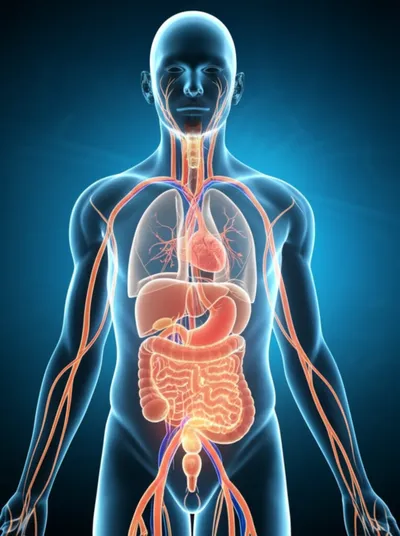
noun🔗Share길항근A muscle that acts in opposition to another."A flexor, which bends a part, is the antagonist of an extensor, which extends it."일부를 구부리는 굴근은 이를 펴는 신근의 길항근입니다.physiologyanatomybodyChat with AIVocabulary GamePractice Reading