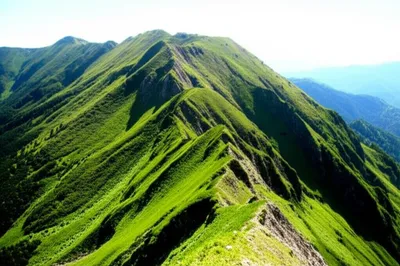
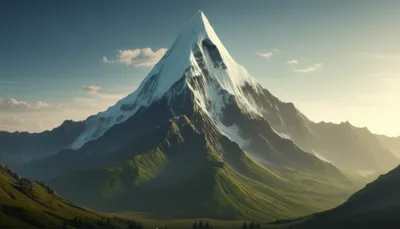
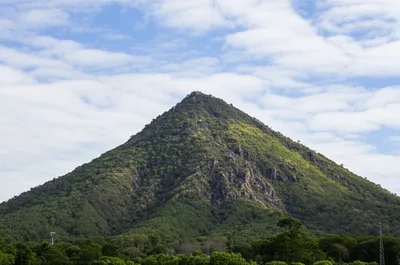
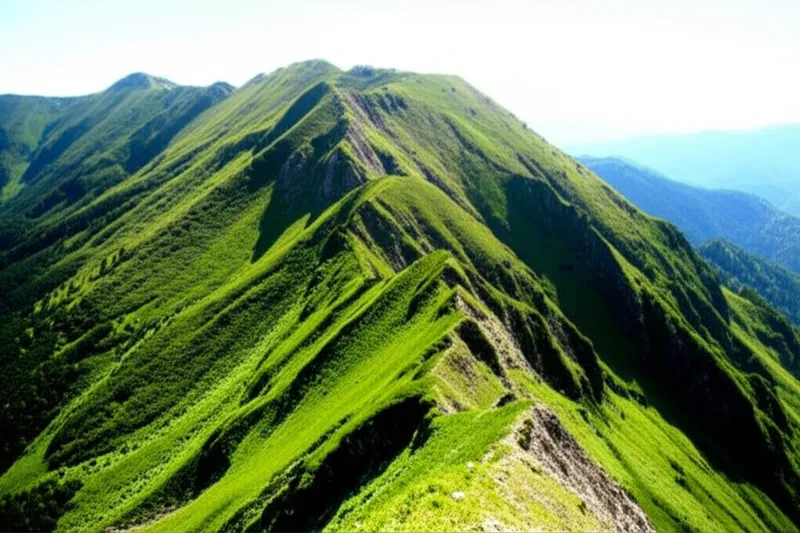
noun 다운로드 🔗공유 민둥산 정상 A mountain summit or crest that lacks forest growth despite a warm climate conducive to such, as is found in many places in the Southern Appalachian Mountains. Examples : "The bald on Mount Mitchell is a surprising sight, given how warm and humid the surrounding area is. " 미첼 산의 민둥산 정상은 주변 지역이 얼마나 따뜻하고 습한지를 고려할 때 놀라운 광경입니다. geography geology environment nature place AI와 채팅어휘 게임독해 연습
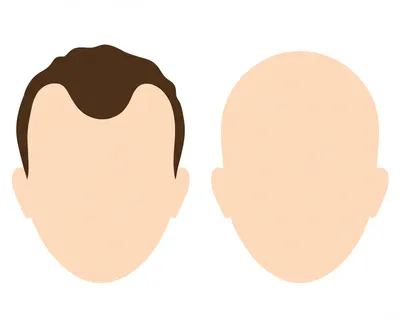
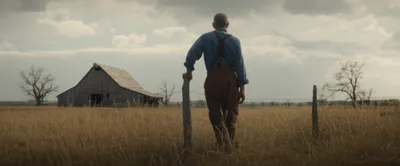
verb 다운로드 🔗공유 대머리가 되다 To become bald. Examples : "My grandfather is bald now; he started bald-ing when he was fifty. " 할아버지는 지금 대머리이십니다. 그는 50세 때부터 대머리가 되기 시작했습니다. appearance body AI와 채팅어휘 게임독해 연습
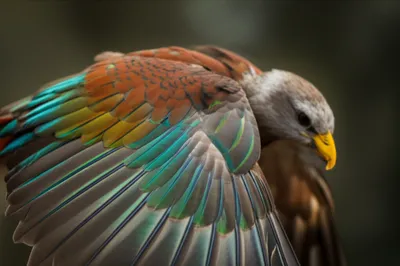
adjective 다운로드 🔗공유 대머리의 Having no hair, fur or feathers. Examples : "My grandfather is bald, with no hair on his head. " 할아버지는 머리에 머리카락이 없이 대머리입니다. appearance body human AI와 채팅어휘 게임독해 연습
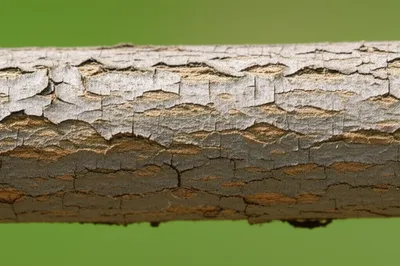
adjective 다운로드 🔗공유 대머리의 (by extension) Denuded of any hair- or fur-like covering. Examples : "The bald cypress is a tree that loses its leaves in winter." 대머리 삼나무는 겨울에 잎을 잃는 나무입니다. appearance body AI와 채팅어휘 게임독해 연습
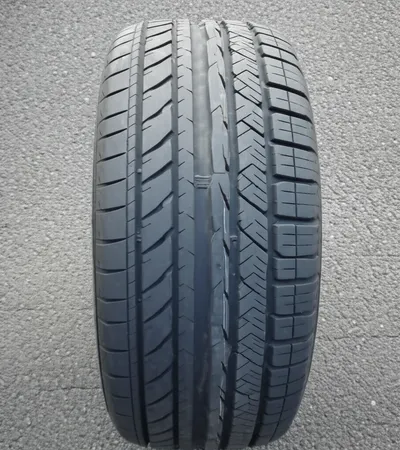
adjective 다운로드 🔗공유 닳은, 마모된 Of tyres: whose surface is worn away. Examples : "The old tires on the school bus were bald, so the driver had to get new ones. " 학교 버스의 낡은 타이어는 닳았기 때문에 운전사는 새 타이어를 구해야 했다. technical vehicle wear AI와 채팅어휘 게임독해 연습
adjective 다운로드 🔗공유 솔직한, 있는 그대로의 (of a statement or account) Unembellished. Examples : "The teacher's report on the student's progress was bald: it simply stated the facts without any extra comments. " 학생의 진척 상황에 대한 선생님의 보고서는 솔직했다: 추가적인 언급 없이 단순히 사실을 진술했다. language style AI와 채팅어휘 게임독해 연습
adjective 다운로드 🔗공유 근거 없는, 증거 없는 (of a statement) Without evidence or support being provided. Examples : "His argument for skipping school was bald; he offered no reason. " 그가 학교를 빼먹으려는 주장은 근거가 없었다. 그는 아무런 이유도 제시하지 않았다. statement language communication writing AI와 채팅어휘 게임독해 연습