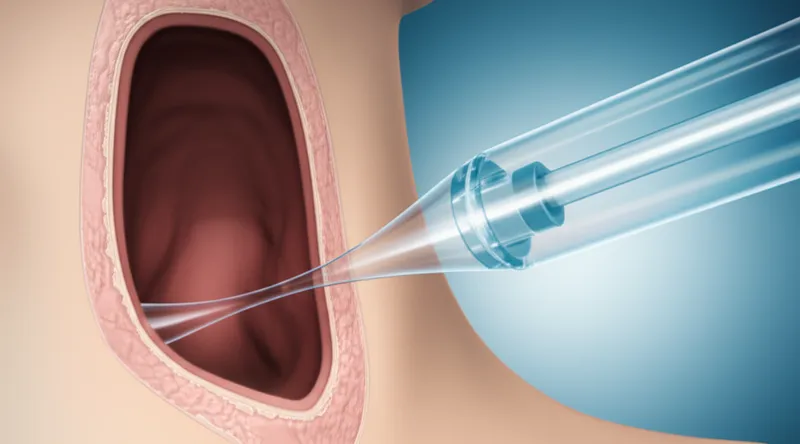
noun🔗Share부지A tapered cylindrical instrument for introducing an object into a tubular anatomical structure, or to dilate such a structure, as with an esophageal bougie."The doctor carefully inserted the bougie into the patient's esophagus to widen it and allow them to swallow food more easily. "의사는 환자의 식도를 넓혀 음식을 더 쉽게 삼킬 수 있도록 부지를 조심스럽게 삽입했습니다.medicineanatomydeviceChat with AIVocabulary GamePractice Reading
noun🔗Share양초A wax candle."The old church was dimly lit by a single bougie on the altar. "오래된 교회는 제단 위에 놓인 양초 하나로 희미하게 빛을 받았다.itemutensilChat with AIVocabulary GamePractice Reading
adjective🔗Share부르주아, 속물적인(usually derogatory) Behaving like or pertaining to people of a higher social status, middle-class / bourgeois people (sometimes carrying connotations of fakeness, elitism, or snobbery)."She started drinking only imported water and complaining about the local grocery store; some people thought she was getting a little bougie. "그녀는 수입산 물만 마시기 시작하고 동네 식료품점에 대해 불평하기 시작했다. 어떤 사람들은 그녀가 좀 속물적으로 변하고 있다고 생각했다.culturesocietystyleattitudelanguagevaluepersonChat with AIVocabulary GamePractice Reading
adjective🔗Share화려한, 멋진Fancy or good-looking, without the same connotations of snobbery or pretentiousness as in sense 1."Her apartment was surprisingly bougie for a college student, but in a cozy and welcoming way. "그녀의 아파트는 대학생에게는 놀랍도록 화려했지만, 아늑하고 환영하는 방식이었다.appearancestylecultureattitudesocietyChat with AIVocabulary GamePractice Reading