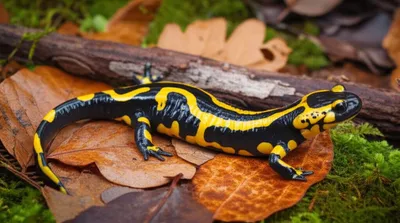
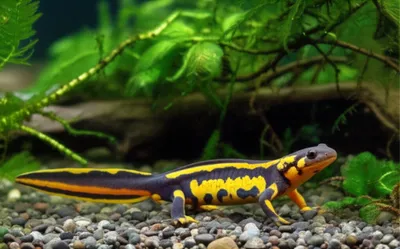
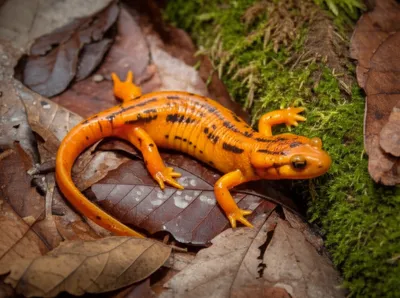
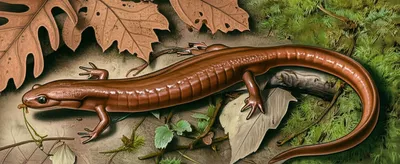
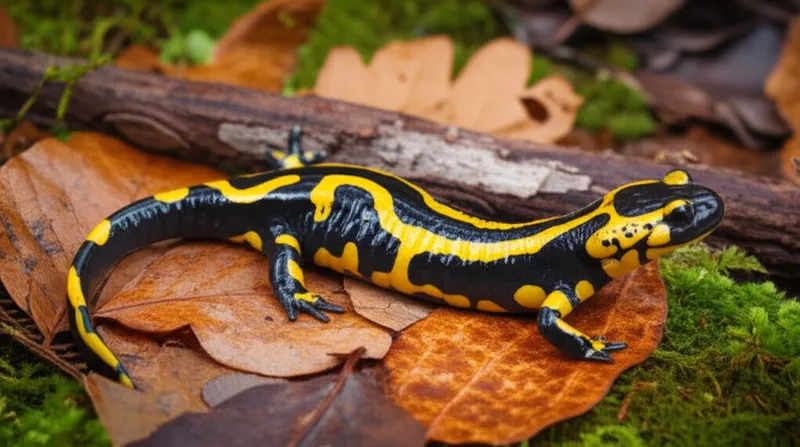
noun 다운로드 🔗공유 꼬리가 있는 양서류 Any member of the Caudata order of amphibians. Examples : "The zoology student learned that a salamander is a type of caudate, characterized by its tail and amphibian nature. " 동물학 학생은 도롱뇽이 꼬리와 양서류 특성을 가진 꼬리가 있는 양서류의 일종이라는 것을 배웠다. animal biology organism nature AI와 채팅어휘 게임독해 연습
adjective 다운로드 🔗공유 꼬리가 있는, 꼬리 모양의 연장이 있는 Tapering into a long, tail-like extension at the apex. Examples : "The artist's sculpted figure had a caudate tail, tapering smoothly to a long, pointed end. " 그 예술가의 조각상은 길고 뾰족한 끝으로 부드럽게 가늘어지는 꼬리 모양의 꼬리를 가지고 있었다. appearance biology organism anatomy AI와 채팅어휘 게임독해 연습
adjective 다운로드 🔗공유 꼬리가 있는 Having a tail. Examples : "The comet streaked across the night sky, its caudate form leaving a bright trail behind it. " 혜성은 밤하늘을 가로질러 꼬리가 있는 형태가 밝은 자취를 남겼다. animal anatomy biology AI와 채팅어휘 게임독해 연습
adjective 다운로드 🔗공유 꼬리가 있는 Of or pertaining to the Caudata order of amphibians. Examples : "The caudate amphibians, like salamanders, often require moist environments to thrive. " 도롱뇽과 같은 꼬리가 있는 양서류는 번성하기 위해 종종 습한 환경이 필요합니다. organism animal biology nature AI와 채팅어휘 게임독해 연습
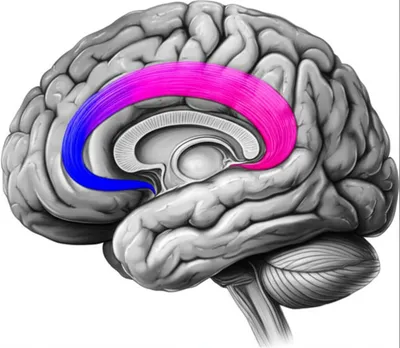
adjective 다운로드 🔗공유 꼬리가 있는, 꼬리 모양의 Indicates an anatomical structure with a tail-like extension, such as the Caudate nucleus. Examples : "The frog's tadpole form has a caudate body, clearly showing a tail. " 개구리의 올챙이 형태는 꼬리가 있는 몸을 가지고 있으며, 꼬리를 분명히 보여줍니다. anatomy body organ AI와 채팅어휘 게임독해 연습