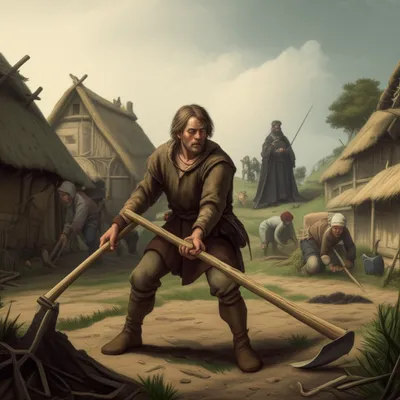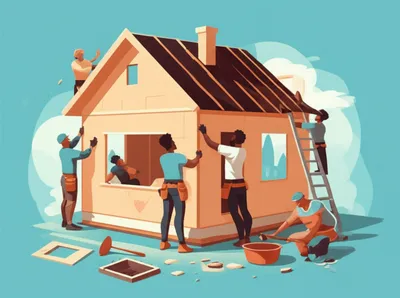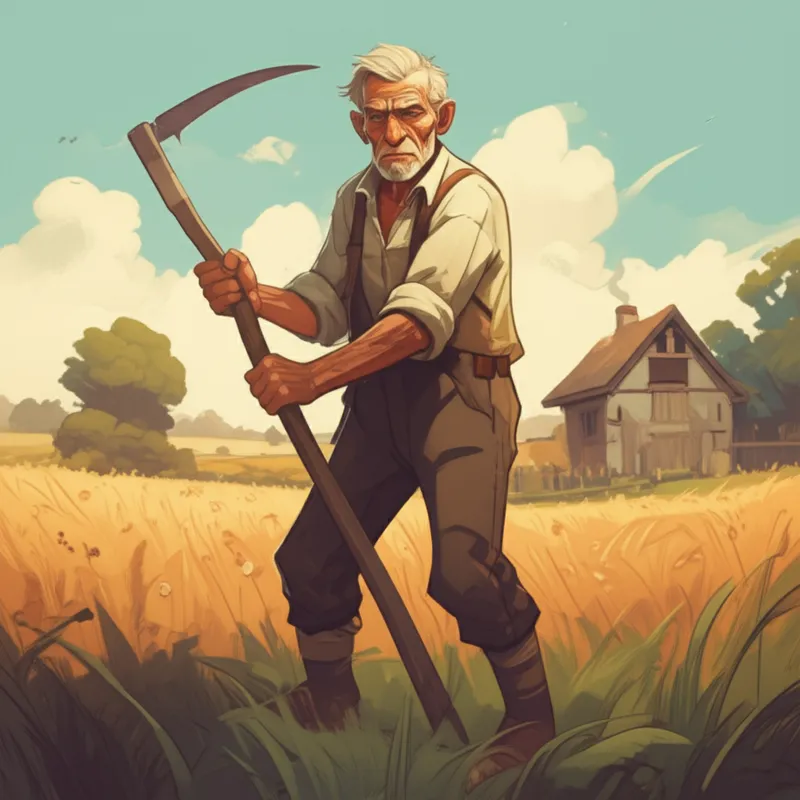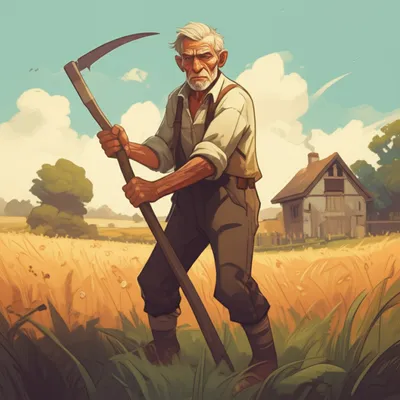
noun🔗Share시골뜨기, 촌뜨기, 농부A rustic; a countryman or labourer; a free peasant (as opposed to a serf)."The village thrived because the churls worked the land diligently, providing food for everyone. "마을은 시골뜨기들이 부지런히 땅을 일구어 모두에게 식량을 제공했기 때문에 번성했다.personjobhistorysocietyagricultureChat with AIVocabulary GamePractice Reading
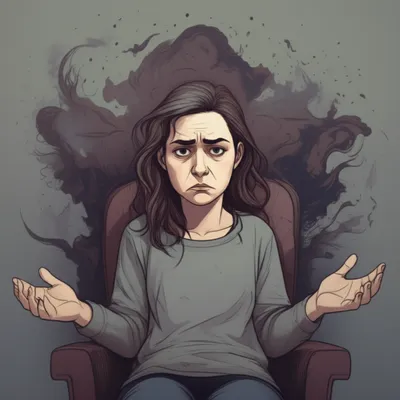
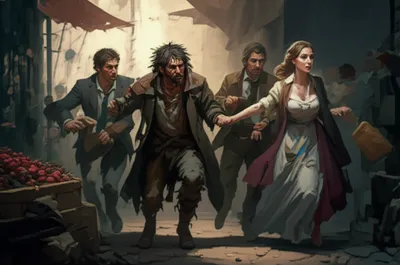
noun🔗Share촌뜨기, 무례한 사람A rough, surly, ill-bred person; a boor."The shop was filled with polite customers, except for a few churls who complained loudly about the prices. "가게는 예의 바른 손님들로 가득했지만, 가격에 대해 큰 소리로 불평하는 몇몇 무례한 사람들을 제외하고는 그랬다.personcharacterattitudeChat with AIVocabulary GamePractice Reading
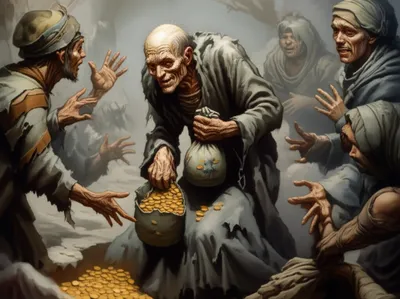
noun🔗Share구두쇠, 짠돌이A selfish miser; an illiberal person; a niggard."Even though he was wealthy, the townspeople considered Mr. Peterson and his family to be churls because they refused to donate to any local charities or help those in need. "그는 부유했지만, 마을 사람들은 피터슨 씨와 그의 가족이 지역 자선 단체에 기부하거나 어려운 사람들을 돕기를 거부했기 때문에 그들을 구두쇠로 여겼다.characterpersonattitudemoralChat with AIVocabulary GamePractice Reading
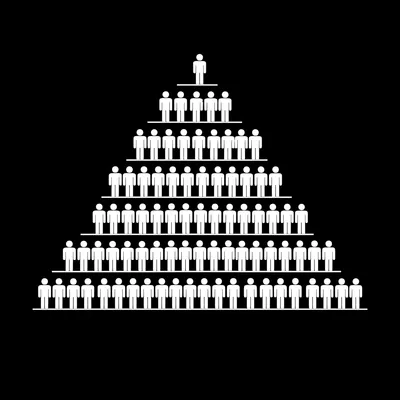
noun🔗Share자유민, 농부(Theodism) A freedman, ranked below a thane but above a thrall."In the Anglo-Saxon village hierarchy, the churls, as free farmers, had more rights than the enslaved thralls, but owed loyalty to the higher-ranking thanes. "앵글로색슨 마을 계층 구조에서 자유 농부인 자유민들은 노예 쓰랄보다 더 많은 권리를 가졌지만, 상위 계급의 테인에게 충성을 바쳤다.historypersonsocietyChat with AIVocabulary GamePractice Reading