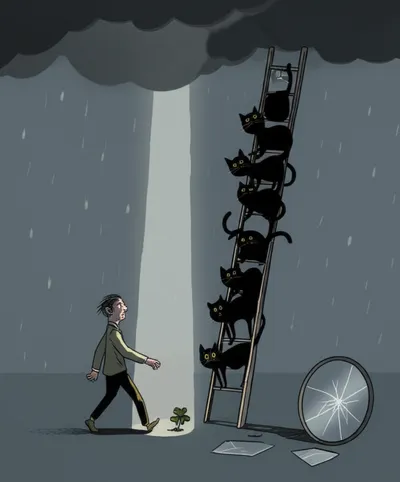








noun🔗Share고난, 불행, 역경(often pluralized) Trouble; distress; misfortune; adversity."The family faced many ills this year, including a job loss and a serious illness. "가족은 올해 직장 잃음과 심각한 질병을 포함하여 많은 고난에 직면했다.sufferingdisasterconditionnegativeessentialChat with AIVocabulary GamePractice Reading
noun🔗Share해, 손상Harm or injury."The accident caused significant ill to the driver's arm. "사고로 인해 운전자의 팔에 심각한 해가 발생했다.sufferingconditionessentialChat with AIVocabulary GamePractice Reading
noun🔗Share악, 해악Evil; moral wrongfulness."The politician's actions were motivated by a deep-seated ill will towards his opponents. "그 정치인의 행동은 그의 반대자들에 대한 뿌리 깊은 악의에서 비롯되었다.moralcharacterphilosophyreligionessentialChat with AIVocabulary GamePractice Reading
noun🔗Share질병, 병A physical ailment; an illness."I am incapacitated by rheumatism and other ills."나는 류머티즘과 다른 질병으로 무능력해졌다.medicinediseasebodyconditionessentialChat with AIVocabulary GamePractice Reading
noun🔗SharePCP, 펜시클리딘PCP, phencyclidine."The lab technician carefully handled the ill, knowing it was a dangerous substance. "실험실 기술자는 위험한 물질임을 알고 PCP를 조심스럽게 다루었다.medicinesubstanceessentialChat with AIVocabulary GamePractice Reading
adjective🔗Share사악한, 악한Evil; wicked (of people)."The teacher considered some of the students' actions to be ill-intentioned. "선생님은 학생들의 일부 행동이 악의적이라고 생각했다.moralcharacternegativeessentialChat with AIVocabulary GamePractice Reading
adjective🔗Share비난받을 만한, 부도덕한Morally reprehensible (of behaviour etc.); blameworthy."His actions were ill-considered and caused a lot of trouble at school. "그의 행동은 부도덕했고 학교에서 많은 문제를 일으켰다.moralcharacterattitudenegativeguiltessentialChat with AIVocabulary GamePractice Reading
adjective🔗Share악의적인, 사악한Indicative of unkind or malevolent intentions; harsh, cruel."He suffered from ill treatment."그는 악의적인 대우를 받았다.charactermoralattitudeinhumannegativeessentialChat with AIVocabulary GamePractice Reading
adjective🔗Share불길한, 불친절한, 결함이 있는Unpropitious, unkind, faulty, not up to reasonable standard."ill manners; ill will"불길한 태도; 악의qualityconditioncharacternegativeessentialChat with AIVocabulary GamePractice Reading
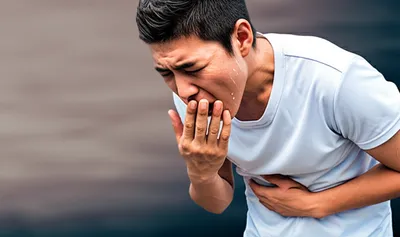
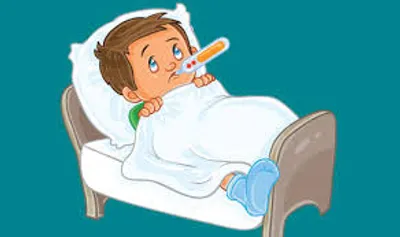
adjective🔗Share아픈, 병든Unwell in terms of health or physical condition; sick."My grandmother is ill and needs to see a doctor. "할머니가 아프셔서 의사 선생님을 뵈어야 해요.medicineconditionbodyessentialChat with AIVocabulary GamePractice Reading
adjective🔗Share메스꺼운, 토할 것 같은Having an urge to vomit."Seeing those pictures made me ill."그 사진들을 보니 속이 메스꺼워졌어요.medicinephysiologysensationbodyessentialChat with AIVocabulary GamePractice Reading
adjective🔗Share굉장한, 훌륭한(hip-hop slang) Sublime, with the connotation of being so in a singularly creative way."His rhymes were ill, showing a unique and amazing creativity. "그의 라임은 굉장했고, 독특하고 놀라운 창의성을 보여주었다.musicculturelanguageessentialChat with AIVocabulary GamePractice Reading
adjective🔗Share나쁜, 아픈Extremely bad (bad enough to make one ill). Generally used indirectly with to be."That band was ill."그 밴드는 별로였어.conditionnegativeessentialChat with AIVocabulary GamePractice Reading
adjective🔗Share어리석은, 좋지 않은Unwise; not a good idea."It was an ill-advised decision to skip school today. "오늘 학교를 빼먹는 것은 어리석은 결정이었다.attitudecharactermoralvalueessentialChat with AIVocabulary GamePractice Reading
adverb🔗Share아프게, 나쁘게Not well; imperfectly, badly; hardly."The student was ill prepared for the history test. "그 학생은 역사 시험을 제대로 준비하지 못했다.conditionmedicineessentialChat with AIVocabulary GamePractice Reading