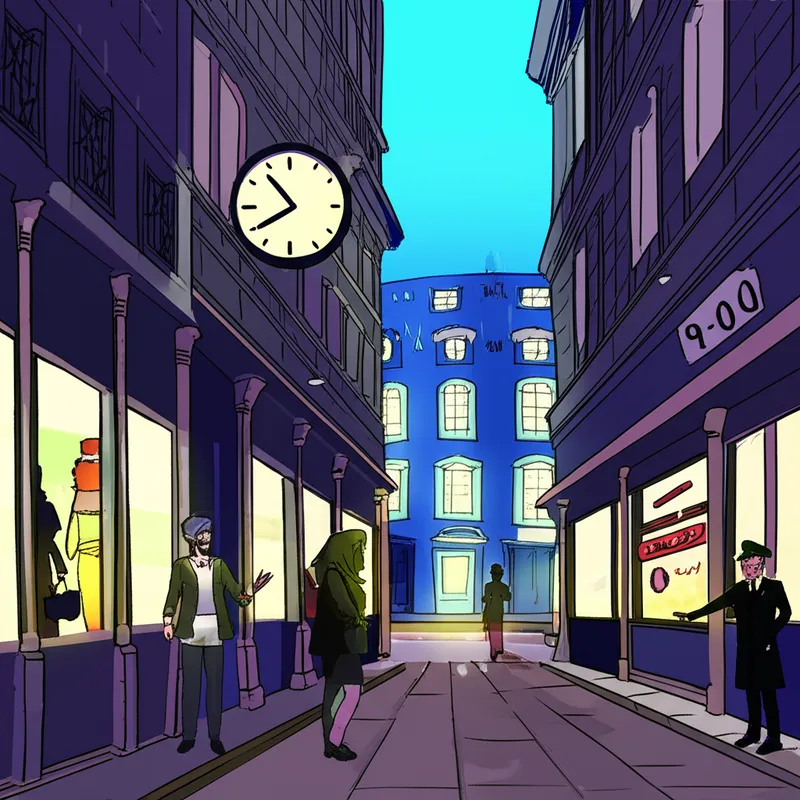
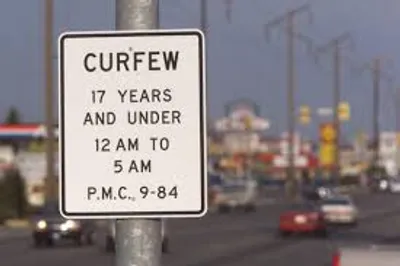
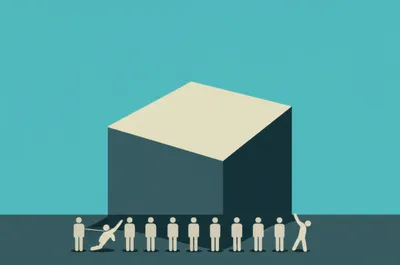
noun 다운로드 🔗공유 통행 금지 Any regulation requiring people to be off the streets and in their homes by a certain time. Examples : "The curfew for teenagers is 9:00 pm on school nights. " 청소년 통행 금지는 학교 가는 날 밤 9시입니다. government law police society AI와 채팅어휘 게임독해 연습
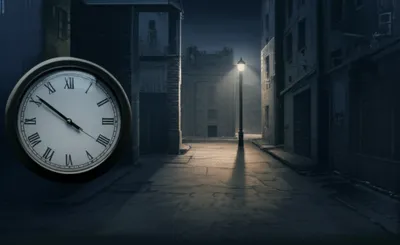
noun 다운로드 🔗공유 통행 금지 시간 The time when such restriction begins. Examples : "The curfew for students is 9:00 PM. " 학생들의 통행 금지 시간은 오후 9시입니다. law government police society time AI와 채팅어휘 게임독해 연습
noun 다운로드 🔗공유 통금 A signal indicating this time. Examples : "The loud bell was the curfew, signaling the end of playtime. " 요란한 종소리는 통금이었고, 놀이 시간의 종료를 알렸다. time signal law government police AI와 채팅어휘 게임독해 연습
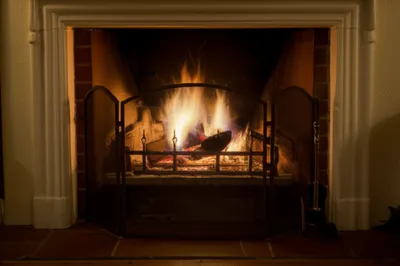
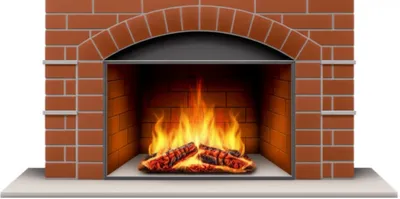
noun 다운로드 🔗공유 화로 덮개 A fireplace accessory designed to bank a fire by completely covering the embers. Examples : "After the last log burned low, we placed the curfew over the embers to keep the fire from spreading overnight. " 마지막 장작이 다 타자, 우리는 밤새 불이 번지는 것을 막기 위해 화로 덮개를 숯불 위에 놓았다. utensil architecture AI와 채팅어휘 게임독해 연습
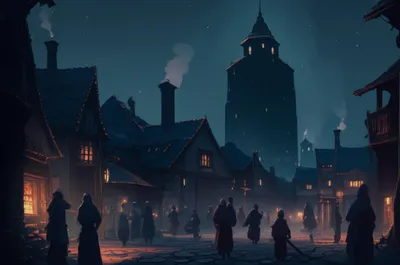
noun 다운로드 🔗공유 통행 금지 A regulation in feudal Europe by which fires had to be covered up or put out at a certain fixed time in the evening, marked by the ringing of an evening bell. Examples : "The curfew bell rang, signaling that everyone had to extinguish their fireplace. " 통행 금지 종이 울리자 모두가 벽난로를 꺼야 한다는 신호가 울렸다. history tradition time state government society AI와 채팅어휘 게임독해 연습
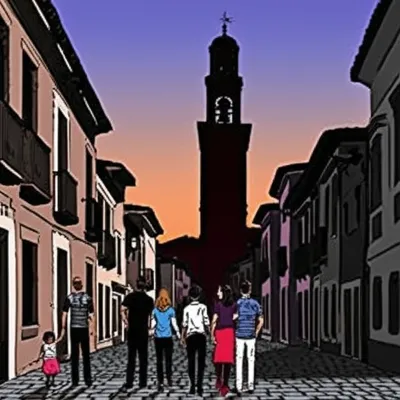
noun 다운로드 🔗공유 통금 The evening bell, which continued to be rung in many towns after the regulation itself became obsolete. Examples : "The curfew bell, though no longer legally required, still rang every night at 9 pm. " 통금 시간 종은 더 이상 법적으로 요구되지 않았지만, 매일 밤 9시에 여전히 울렸다. history tradition government law society culture time AI와 채팅어휘 게임독해 연습