

















noun🔗Share사용The act of using."The use of torture has been condemned by the United Nations."고문 사용은 유엔에 의해 비난받았다.actionutilityfunctionessentialChat with AIVocabulary GamePractice Reading
noun🔗Share사용, 복용The act of consuming alcohol or narcotics."The teacher warned the students about the use of drugs. "선생님은 학생들에게 마약 복용에 대해 경고했다.medicinesubstanceessentialChat with AIVocabulary GamePractice Reading
noun🔗Share사용, 효용(followed by "of") Usefulness, benefit."The use of a good dictionary is invaluable in school. "좋은 사전의 사용은 학교에서 매우 중요하다.utilityessentialChat with AIVocabulary GamePractice Reading
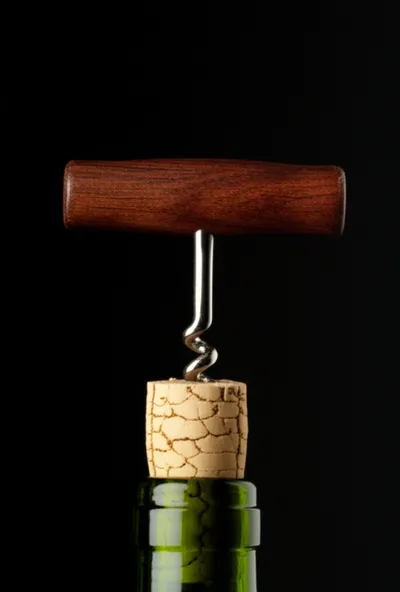
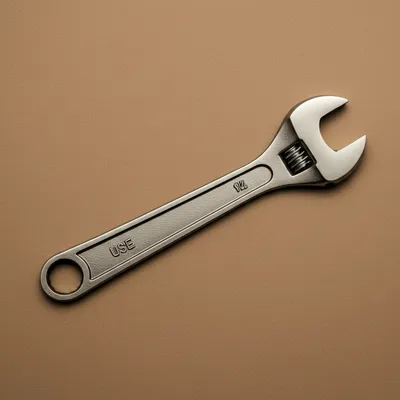
noun🔗Share사용, 용도A function; a purpose for which something may be employed."This tool has many uses."이 도구는 여러 용도로 사용됩니다.functionutilityjobessentialChat with AIVocabulary GamePractice Reading
noun🔗Share사용, 필요Occasion or need to employ; necessity."I have no further use for these textbooks."나는 이 교과서들을 더 이상 사용할 필요가 없다.utilityfunctionjobserviceessentialChat with AIVocabulary GamePractice Reading
noun🔗Share이자Interest for lent money; premium paid for the use of something; usury."The bank charged a high use for the loan, making the total cost of the car quite expensive. "은행은 대출에 대해 높은 이자를 부과하여 자동차의 총 비용을 상당히 비싸게 만들었습니다.financeeconomybusinessessentialChat with AIVocabulary GamePractice Reading
noun🔗Share사용, 습관Continued or repeated practice; usage; habit."My daily use of flashcards helped me improve my vocabulary quickly. "매일 플래시 카드를 사용하는 습관은 어휘력을 빠르게 향상시키는 데 도움이 되었습니다.languagegrammarlinguisticsessentialChat with AIVocabulary GamePractice Reading
noun🔗Share사용, 이용Common occurrence; ordinary experience."The usual use of a school lunch is a sandwich. "학교 점심의 일반적인 사용은 샌드위치입니다.conditionessentialChat with AIVocabulary GamePractice Reading
noun🔗Share사용The special form of ritual adopted for use in any diocese."the Sarum, or Canterbury, use; the Hereford use; the York use; the Roman use; etc."사럼 또는 캔터베리 사용; 헤리퍼드 사용; 요크 사용; 로마 사용; 등.ritualreligionessentialChat with AIVocabulary GamePractice Reading
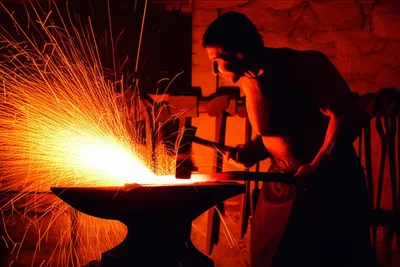
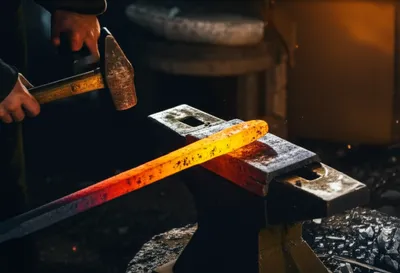
noun🔗Share사용(forging) A slab of iron welded to the side of a forging, such as a shaft, near the end, and afterward drawn down, by hammering, so as to lengthen the forging."The blacksmith carefully placed the use on the shaft to lengthen it. "대장장이는 그것을 늘리기 위해 샤프트에 용접된 철편을 조심스럽게 놓았습니다.materialtechnicalindustryessentialChat with AIVocabulary GamePractice Reading
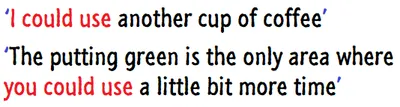
verb🔗Share사용하다, 이용하다To utilize or employ."My brother uses his computer skills to create impressive presentations for school. "내 형은 학교를 위해 인상적인 프레젠테이션을 만들기 위해 컴퓨터 기술을 사용합니다.utilityactionfunctionabilityindustryessentialChat with AIVocabulary GamePractice Reading
verb🔗Share익숙하게 하다, 길들이다To accustom; to habituate. (Now common only in participial form. Uses the same pronunciation as the noun; see usage notes.)"soldiers who are used to hardships and danger"고난과 위험에 익숙한 군인들attitudetendencyessentialChat with AIVocabulary GamePractice Reading
verb🔗Share습관적으로 하다(except in past tense) To habitually do; to be wont to do. (Now chiefly in past-tense forms; see used to.)"I used to get things done."나는 일을 하곤 했다.grammarlanguageessentialChat with AIVocabulary GamePractice Reading
verb🔗Share사용하다, 대하다To behave toward; to act with regard to; to treat."to use an animal cruelly"동물을 잔인하게 대하다.actionattitudehumansocietymoralcharacteressentialChat with AIVocabulary GamePractice Reading
verb🔗Share행동하다, 처신하다To behave, act, comport oneself."At the party, Sarah used herself with grace and confidence. "파티에서, 사라가 우아함과 자신감으로 처신했다.actionessentialChat with AIVocabulary GamePractice Reading