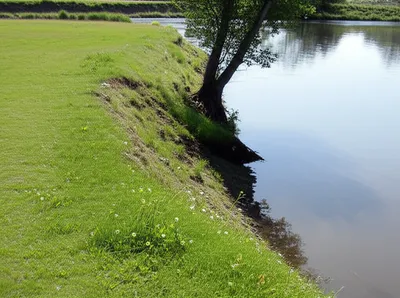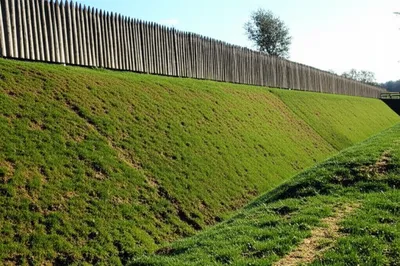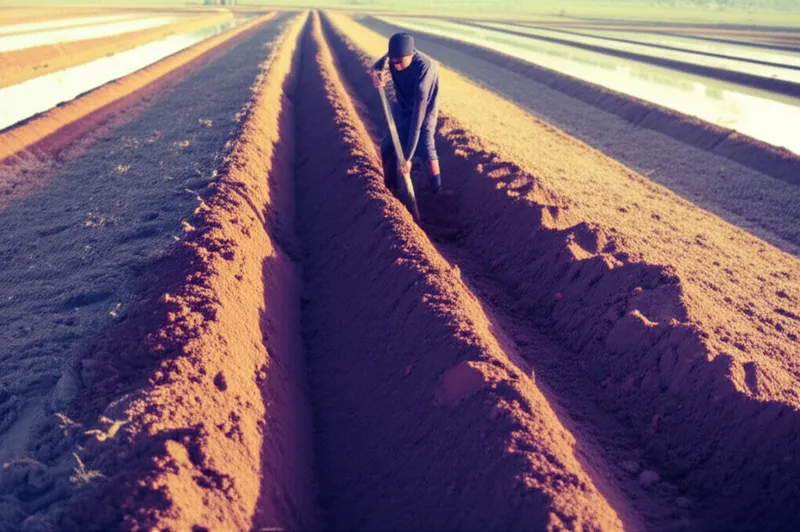
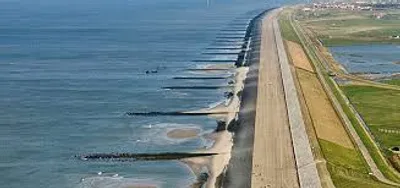
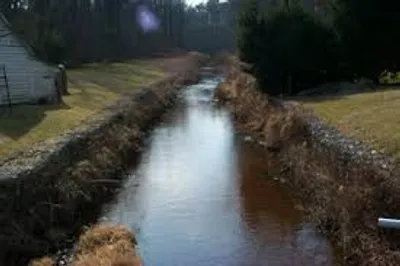





verb🔗Share도랑을 파다, 둑을 쌓다Alternative form of dyke: to dig a ditch; to raise an earthwork; etc."To protect their farmland from flooding, the villagers decided to dike the riverbank with earth and stones. "홍수로부터 농지를 보호하기 위해, 마을 사람들은 흙과 돌로 강둑에 둑을 쌓기로 결정했다.environmentgeologyarchitectureagricultureChat with AIVocabulary GamePractice Reading
noun🔗Share레즈비언(usually derogatory) A lesbian, particularly one with masculine or butch traits or behavior.personsexwordcultureChat with AIVocabulary GamePractice Reading
noun🔗Share옷을 잘 차려 입은 남자, 멋쟁이A well-dressed man."The new student, a handsome dike, immediately caught the eye of several girls in the class. "새로운 학생, 잘 차려 입은 멋쟁이가 교실의 여러 소녀들의 시선을 즉시 사로잡았다.appearancepersonstyleChat with AIVocabulary GamePractice Reading
noun🔗Share정장, 옷차림Formalwear or other fashionable dress."Seeing her in full dike, she looked ready to grace the red carpet at the premiere. "그녀가 정장을 다 갖춰 입은 모습을 보니, 시사회에서 레드 카펫을 빛낼 준비가 된 것 같았다.appearancewearstyleChat with AIVocabulary GamePractice Reading
verb🔗Share멋을 내다, 차려입다To be well dressed."To impress her new boss, Sarah diligently diked herself up for the important meeting. "새 상사에게 깊은 인상을 주기 위해, 사라가 중요한 회의를 위해 열심히 멋을 냈다.appearancestyleChat with AIVocabulary GamePractice Reading
🔗Share레즈비언(usually derogatory) A lesbian, particularly one with masculine or butch traits or behavior."Some people at the school used the word "dike" to insult a girl who was known for her strong personality. "학교의 몇몇 사람들은 강한 성격으로 알려진 소녀를 모욕하기 위해 "레즈비언"이라는 단어를 사용했다.personsexculturewordlanguageChat with AIVocabulary GamePractice Reading