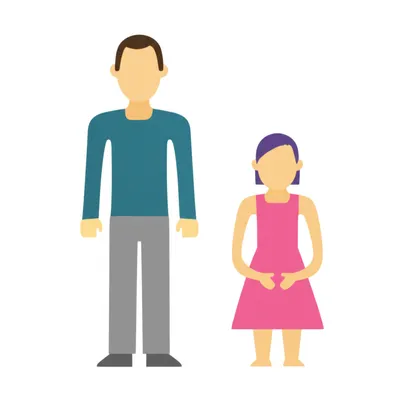


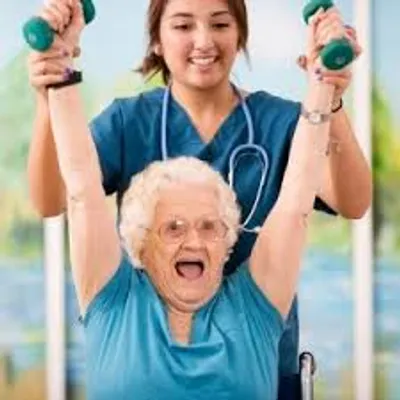

adjective🔗Share건강한, 튼튼한In good health."My grandmother is well and enjoying her retirement. "할머니는 건강하시고 은퇴를 즐기고 계십니다.medicinebodyconditionessentialChat with AIVocabulary GamePractice Reading
adjective🔗Share좋은, 만족스러운Good, content."My grandmother is a well person, always happy and content. "우리 할머니는 항상 행복하고 만족스러운 좋은 사람입니다.conditionattitudeessentialChat with AIVocabulary GamePractice Reading
adjective🔗Share현명한, 좋은, 신중한Prudent; good; well-advised."My grandmother gave me some well-considered advice about managing my finances. "할머니는 제게 재정을 관리하는 것에 대해 신중한 조언을 해주셨습니다.moralphilosophycharacterattitudevalueessentialChat with AIVocabulary GamePractice Reading
adverb🔗Share잘, 훌륭하게(manner) Accurately, competently, satisfactorily."He does his job well."그는 그의 일을 잘한다.qualityabilityachievementessentialChat with AIVocabulary GamePractice Reading
adverb🔗Share잘, 완전히(manner) Completely, fully."We’re well beat now."우리는 이제 완전히 졌어요.waylanguageessentialChat with AIVocabulary GamePractice Reading
adverb🔗Share잘, 매우(degree) To a significant degree."That author is well known."그 작가는 매우 유명하다.degreeamountessentialChat with AIVocabulary GamePractice Reading
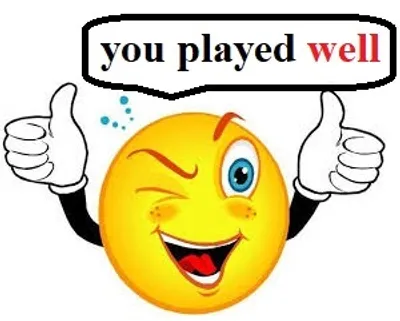
adverb🔗Share아주, 매우(degree) Very (as a general-purpose intensifier)."My sister played the piano very well. "내 여동생은 피아노를 아주 잘 쳤다.degreelanguageessentialChat with AIVocabulary GamePractice Reading
adverb🔗Share잘, 만족스럽게In a desirable manner; so as one could wish; satisfactorily; favourably; advantageously."The student prepared for the exam very well. "학생은 시험을 매우 잘 준비했다.achievementconditionvalueessentialChat with AIVocabulary GamePractice Reading
interjection🔗Share글쎄, 음, 자Used to acknowledge a statement or situation.""You're going to the party tonight? Well, that sounds fun." "“오늘 밤 파티에 갈 거야? 글쎄, 재미있겠다.”communicationlanguagestatementwordessentialChat with AIVocabulary GamePractice Reading
interjection🔗Share어머! 맙소사!An exclamation of surprise (often doubled or tripled)."Well, well, well, what do we have here?"어머, 어머, 어머, 여기 뭐가 있는 거야?exclamationlanguagecommunicationessentialChat with AIVocabulary GamePractice Reading
interjection🔗Share이런, 쳇An exclamation of indignance."Well! There was no need to say that in front of my mother!"이런! 엄마 앞에서 그런 말을 할 필요는 없었잖아!emotionexclamationlanguageessentialChat with AIVocabulary GamePractice Reading
interjection🔗Share글쎄, 음Used in speech to express the overcoming of reluctance to say something."It was a bit... well... too loud."그것은 조금... 글쎄... 너무 시끄러웠다.languagecommunicationlinguisticswordattitudeessentialChat with AIVocabulary GamePractice Reading
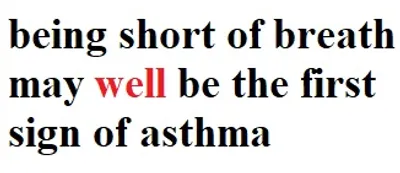
interjection🔗Share글쎄, 음, 저Used in speech to fill gaps, particularly at the beginning of a response to a question; filled pause."“So what have you been doing?” “Well, we went for a picnic, and then it started raining so we came home early.”"“그래서 뭘 하고 있었어?” “글쎄, 우리는 소풍을 갔고, 그러다가 비가 와서 일찍 집에 왔어.”languagelinguisticscommunicationwordgrammarphoneticsessentialChat with AIVocabulary GamePractice Reading
interjection🔗Share안녕, 여보세요(Hiberno-English) Used as a greeting""Well, I'm ready for school now." "안녕, 이제 학교 갈 준비 됐어.communicationlanguageessentialChat with AIVocabulary GamePractice Reading
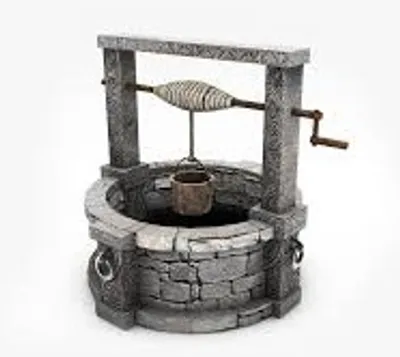
noun🔗Share우물A hole sunk into the ground as a source of water, oil, natural gas or other fluids."The farmer dug a new well to get water for his crops. "농부는 작물을 위해 물을 얻기 위해 새 우물을 팠다.geologyenvironmentutilityessentialChat with AIVocabulary GamePractice Reading
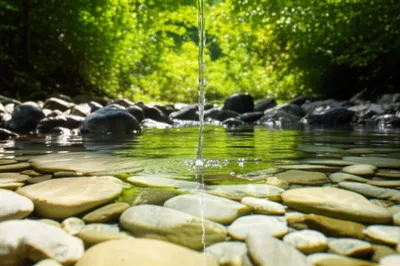
noun🔗Share우물, 샘A place where a liquid such as water surfaces naturally; a spring."The hikers found a cool, refreshing well near the mountain trail. "등산객들은 산길 근처에서 시원하고 상쾌한 우물을 발견했다.geologygeographyenvironmentnatureplaceessentialChat with AIVocabulary GamePractice Reading
noun🔗Share우물, 구멍A small depression suitable for holding liquid or other objects."Make a well in the dough mixture and pour in the milk."반죽 혼합물에 구멍을 내고 우유를 부으세요.itemutilityarchitectureessentialChat with AIVocabulary GamePractice Reading
noun🔗Share원천, 우물A source of supply."The well in the backyard provided a reliable source of water for the family. "뒷마당의 우물은 가족에게 믿을 수 있는 물 공급원을 제공했다.utilitynatureenvironmentessentialChat with AIVocabulary GamePractice Reading
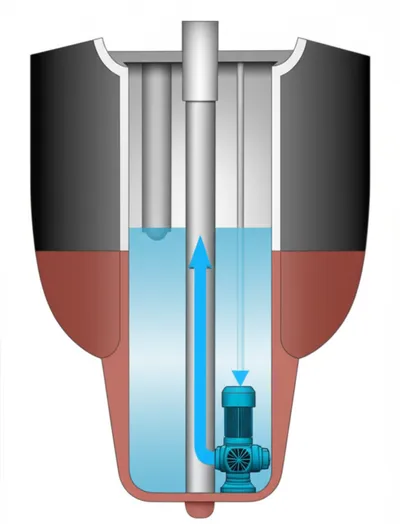
noun🔗Share우물A vertical, cylindrical trunk in a ship, reaching down to the lowest part of the hull, through which the bilge pumps operate."The ship's well allowed the crew to pump out the bilge water. "배의 우물은 승무원이 빌지 물을 퍼낼 수 있게 했다.nauticalsailingpartstructurevehicleessentialChat with AIVocabulary GamePractice Reading
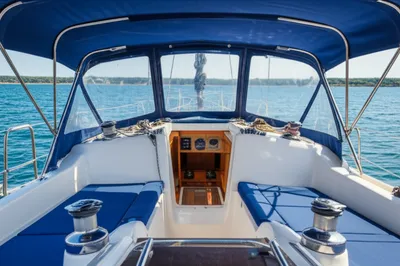
noun🔗Share요트의 조종석The cockpit of a sailboat."The captain steered the sailboat from the well. "선장은 조종석에서 요트를 조종했다.nauticalsailingvehiclepartessentialChat with AIVocabulary GamePractice Reading
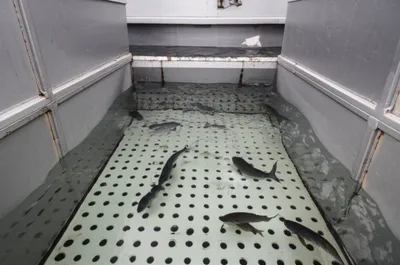
noun🔗Share어류 보관 칸A compartment in the middle of the hold of a fishing vessel, made tight at the sides, but having holes perforated in the bottom to let in water to keep fish alive while they are transported to market."The fishing boat's well was full of freshly caught cod, kept alive by the water circulating through the holes in the bottom. "어선의 어류 보관 칸에는 갓 잡은 대구가 가득했고, 바닥의 구멍을 통해 순환하는 물에 의해 살아 있었다.nauticalfishvehiclesailingessentialChat with AIVocabulary GamePractice Reading
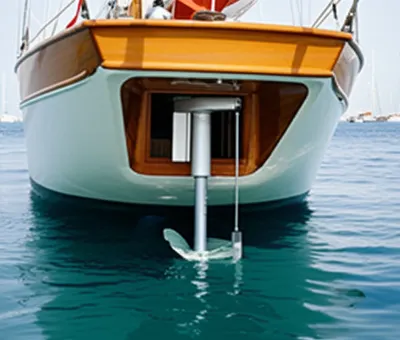
noun🔗Share우물A vertical passage in the stern into which an auxiliary screw propeller may be drawn up out of the water."The ship's well allowed the crew to raise the auxiliary propeller for maintenance. "선박의 우물은 승무원이 유지 보수를 위해 보조 프로펠러를 올릴 수 있게 했습니다.nauticalsailingvehicletechnicalmachinepartstructureessentialChat with AIVocabulary GamePractice Reading
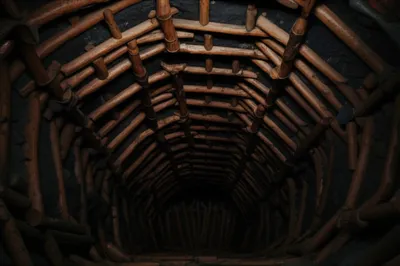
noun🔗Share우물A hole or excavation in the earth, in mining, from which run branches or galleries."The miners were working deep in the well, hoping to find more ore. "광부들은 더 많은 광석을 찾기 위해 우물 깊숙이에서 작업하고 있었다.geologyarchitectureutilityenvironmentessentialChat with AIVocabulary GamePractice Reading
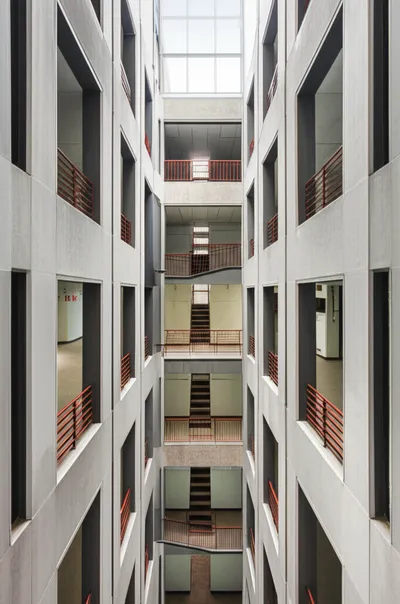
noun🔗Share우물, 샤프트An opening through the floors of a building, as for a staircase or an elevator; a wellhole."The well in the school's basement leads down to the basement storage area. "학교 지하실의 우물은 지하실 창고로 이어진다.architecturebuildingessentialChat with AIVocabulary GamePractice Reading
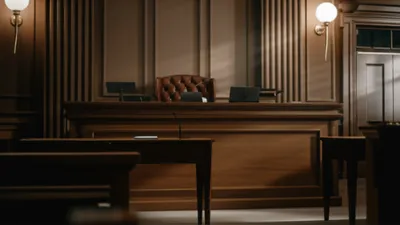
noun🔗Share법정에서 벤치와 변호인석 사이의 열린 공간The open space between the bench and the counsel tables in a courtroom."The lawyer stood in the well, looking directly at the witness. "변호사는 법정에서 벤치와 변호인석 사이의 열린 공간에 서서 증인을 똑바로 쳐다보았다.lawstructurebuildingareagovernmentessentialChat with AIVocabulary GamePractice Reading
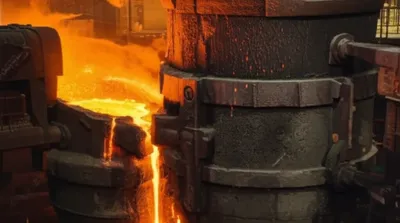
noun🔗Share금속이 떨어지는 용광로의 하부The lower part of a furnace, into which the metal falls."The blacksmith heated the metal in the furnace, and it flowed into the well to be shaped. "대장장이는 용광로에서 금속을 가열했고, 금속은 모양을 잡기 위해 하부로 흘러 들어갔다.structuremachinepartmaterialindustryessentialChat with AIVocabulary GamePractice Reading
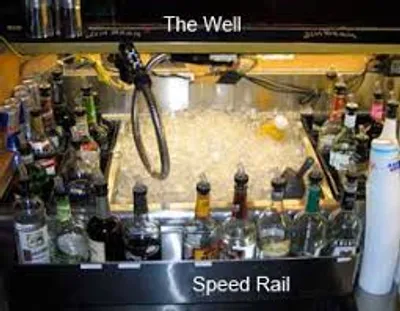
noun🔗Share우물 음료A well drink."We filled our water bottles at the community well. "우리는 공동 우물에서 물병을 채웠다.drinkessentialChat with AIVocabulary GamePractice Reading
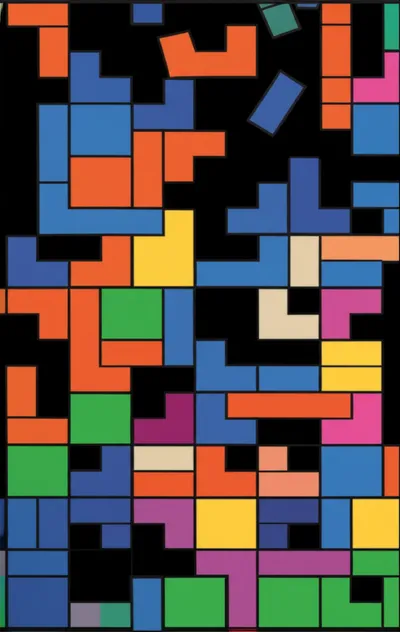
noun🔗Share게임 필드The playfield of Tetris and similar video games, into which the blocks fall."The children enjoyed playing Tetris, especially when they could see the falling blocks in the well of the game. "아이들은 테트리스를 즐겨했는데, 특히 게임의 게임 필드에서 블록이 떨어지는 것을 볼 수 있을 때 더욱 그랬습니다.gamecomputingtechnologyessentialChat with AIVocabulary GamePractice Reading
noun🔗Share웰, 구멍In a microtiter plate, each of the small equal circular or square sections which serve as test tubes."The scientist carefully added the solution to each well in the microtiter plate. "과학자는 마이크로플레이트의 각 웰에 용액을 조심스럽게 추가했습니다.biologybiochemistrymedicinetechnicalsciencedeviceessentialChat with AIVocabulary GamePractice Reading
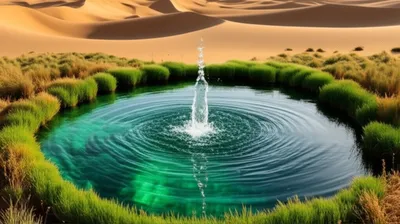
verb🔗Share솟아나다, 솟구쳐 나오다To issue forth, as water from the earth; to flow; to spring."The spring in the park well water. "공원 샘에서 물이 솟아난다.geologyenvironmentnaturegeographyessentialChat with AIVocabulary GamePractice Reading
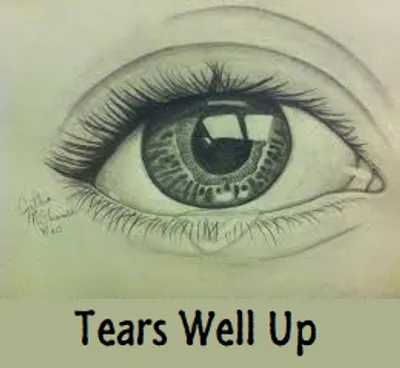
verb🔗Share솟아나다, 샘솟다To have something seep out of the surface."Her eyes welled with tears."그녀의 눈에서 눈물이 솟아났다.naturegeologyenvironmentessentialChat with AIVocabulary GamePractice Reading