noun 다운로드 🔗공유 모욕, 욕설 Action or form of speech deliberately intended to be rude; a particular act or statement having this effect. Examples : "Calling someone "stupid" is a direct insult. " 누군가를 "멍청이"라고 부르는 것은 직접적인 모욕이다. attitude communication language action statement word human society negative AI와 채팅어휘 게임독해 연습
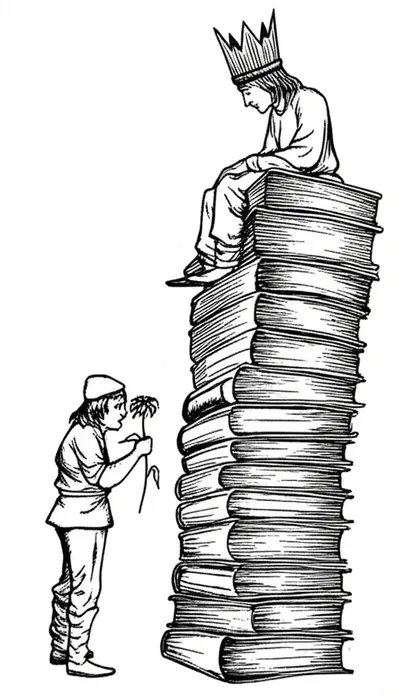
noun 다운로드 🔗공유 모욕, 욕설 Something that causes offence (for example, by being of an unacceptable quality). Examples : "The way the orchestra performed tonight was an insult to my ears." 오늘 밤 오케스트라의 연주는 내 귀에 모욕이었다. attitude communication character emotion society human quality AI와 채팅어휘 게임독해 연습
noun 다운로드 🔗공유 부상, 상해 Something causing disease or injury to the body or bodily processes; the injury so caused. Examples : "The food poisoning was a serious insult to his digestive system. " 식중독은 그의 소화 시스템에 심각한 부상을 입혔다. disease body AI와 채팅어휘 게임독해 연습
noun 다운로드 🔗공유 모욕, 욕설 An assault or attack; (specifically) an assault, attack, or onset carried out without preparation. Examples : "The sudden insult from the bully left Mark feeling humiliated. " 불량배의 갑작스러운 모욕에 마크는 굴욕감을 느꼈다. action word communication AI와 채팅어휘 게임독해 연습
noun 다운로드 🔗공유 모욕, 욕설 An act of leaping upon. Examples : "The unexpected insult from her sister made Sarah leap to her feet in anger. " 언니의 예상치 못한 모욕에 사라가 분노하여 벌떡 일어섰다. action AI와 채팅어휘 게임독해 연습
verb 다운로드 🔗공유 모욕하다, 욕하다 To be insensitive, insolent, or rude to (somebody); to affront or demean (someone). Examples : ""He didn't mean to insult her, but saying her cooking was terrible was definitely rude." " 그는 그녀를 모욕하려던 것은 아니었지만, 그녀의 요리가 끔찍하다고 말한 것은 분명히 무례했다. attitude communication human emotion moral language action character AI와 채팅어휘 게임독해 연습
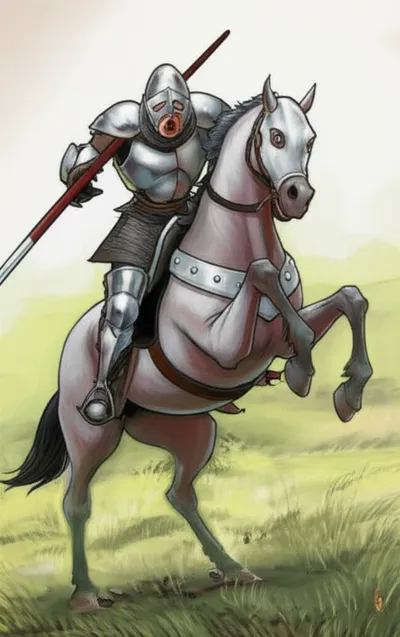
verb 다운로드 🔗공유 모욕하다, 욕하다 To assail, assault, or attack; (specifically) to carry out an assault, attack, or onset without preparation. Examples : "The opposing army chose to insult our fortified position with a sudden and unexpected artillery barrage, hoping to break our defenses before we were ready. " 적군은 우리가 준비되기 전에 우리의 방어를 무너뜨리기를 바라며, 갑작스럽고 예상치 못한 포격으로 우리의 요새화된 위치를 모욕하기로 결정했습니다. action language communication word AI와 채팅어휘 게임독해 연습
verb 다운로드 🔗공유 모욕하다, 욕하다 To behave in an obnoxious and superior manner (against or over someone). Examples : "The older brother would often insult his younger sister by bragging about his grades and calling her "slow." " 형은 종종 성적을 자랑하고 여동생을 "느림보"라고 부르며 모욕했다. attitude character communication emotion moral human person action AI와 채팅어휘 게임독해 연습
verb 다운로드 🔗공유 짓밟다, 밟다 To leap or trample upon. Examples : "The angry child insulted the fallen leaves, stomping on them with his feet. " 화가 난 아이는 떨어진 나뭇잎을 짓밟으며 발로 밟았다. action character attitude human AI와 채팅어휘 게임독해 연습