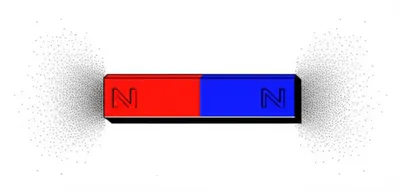
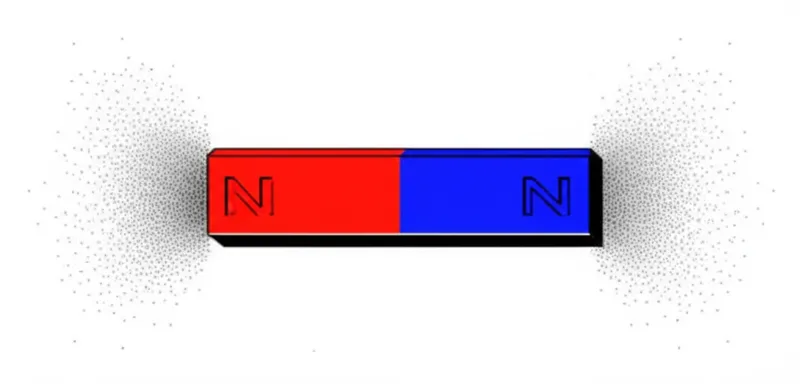
noun 다운로드 🔗공유 쌍극자 Any object (such as a magnet, polar molecule or antenna) that is oppositely charged at two points (or poles) Examples : "The tiny water molecules act like dipoles, with one end slightly positive and the other slightly negative, allowing them to stick to each other. " 작은 물 분자는 쌍극자처럼 작용하여 한쪽 끝은 약간 양전하를 띠고 다른 쪽 끝은 약간 음전하를 띠어 서로 달라붙을 수 있습니다. physics energy electronics device point AI와 채팅어휘 게임독해 연습
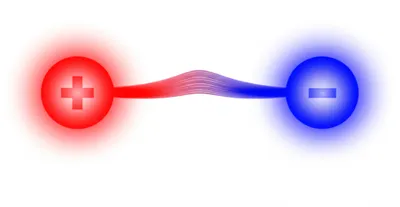
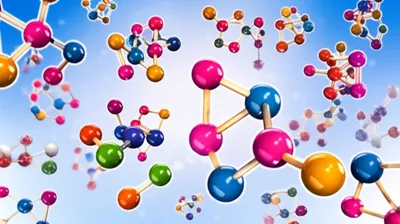
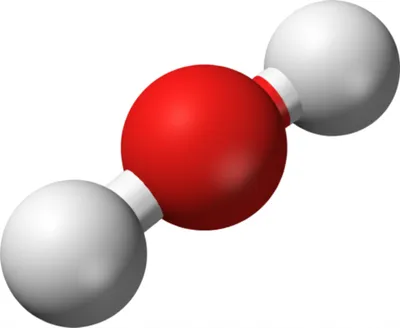
noun 다운로드 🔗공유 쌍극자 Any molecule or radical that has delocalised positive and negative charges Examples : "Water molecules are dipoles because oxygen attracts electrons more strongly than hydrogen, creating a slightly negative charge on the oxygen side and slightly positive charges on the hydrogen sides. " 물 분자는 산소가 수소보다 전자를 더 강하게 끌어당기기 때문에 쌍극자입니다. 산소 쪽에는 약간의 음전하가, 수소 쪽에는 약간의 양전하가 생깁니다. chemistry physics substance AI와 채팅어휘 게임독해 연습
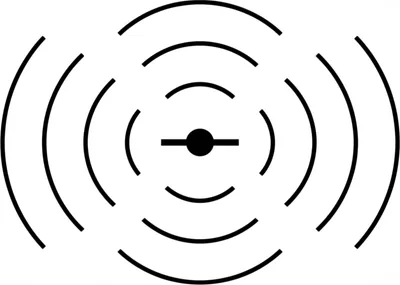
noun 다운로드 🔗공유 다이폴 안테나 A dipole antenna Examples : "The radio enthusiast built several dipoles of different lengths to improve the reception of various frequencies. " 라디오 애호가는 다양한 주파수의 수신을 개선하기 위해 여러 길이의 다이폴 안테나를 만들었습니다. technology electronics physics device signal communication machine electric AI와 채팅어휘 게임독해 연습