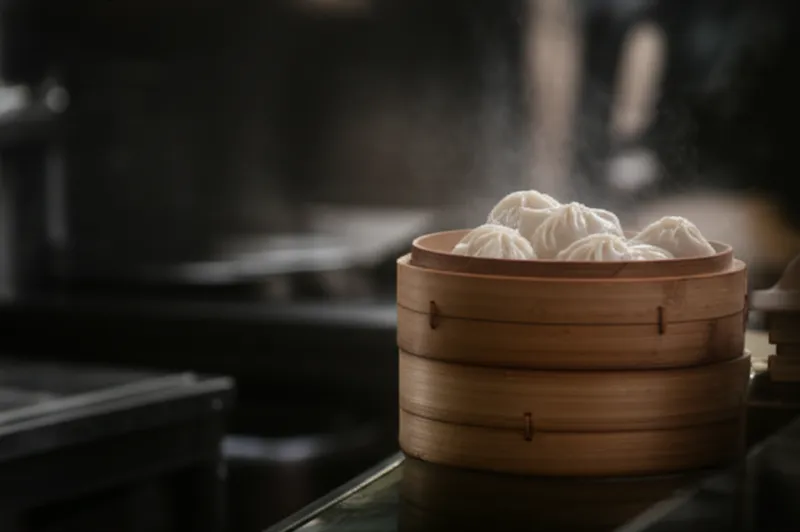







adjective🔗Share증기로 익힌Cooked with steam"My mother makes delicious dum aloo using a traditional recipe. "우리 어머니는 전통적인 레시피를 사용하여 맛있는 덤 알루를 만드십니다.foodChat with AIVocabulary GamePractice Reading
interjection🔗Share음, 콧노래Syllable used when humming a tune."She walked down the street, humming happily, "Dum, dum, dum, I'm going to the park!" "그녀는 행복하게 콧노래를 부르며 길을 걸었다. "음, 음, 음, 나는 공원에 갈 거야!"musicsoundlanguageChat with AIVocabulary GamePractice Reading
adjective🔗Share벙어리의, 말 못하는Unable to speak; lacking power of speech (kept in "deaf, dumb, and blind")."His younger brother was born dumb, and communicated with sign language."그의 남동생은 벙어리로 태어났고 수화로 의사소통을 했다.medicinephysiologydiseasebodyconditionsensationabilitycommunicationhumanpersonChat with AIVocabulary GamePractice Reading
adjective🔗Share말없는, 벙어리의Silent; unaccompanied by words."dumb show"말없는 쇼languagecommunicationChat with AIVocabulary GamePractice Reading
adjective🔗Share멍청한, 바보(especially of a person) Extremely stupid.""He made such dum mistakes on the test; it's like he didn't even study." "그는 시험에서 너무 멍청한 실수를 했어. 마치 공부를 아예 안 한 것 같아.characterhumanpersonmindChat with AIVocabulary GamePractice Reading
adjective🔗Share멍청한, 어리석은, 바보같은Pointless, foolish, lacking intellectual content or value."Brendan had the dumb job of moving boxes from one conveyor belt to another."브렌든은 컨베이어 벨트에서 다른 컨베이어 벨트로 상자를 옮기는 멍청한 일을 했다.attitudecharactermindqualityChat with AIVocabulary GamePractice Reading
adjective🔗Share흐릿한, 칙칙한Lacking brightness or clearness, as a colour."The old photograph had a dum, brownish hue, making it hard to see the details. "오래된 사진은 흐릿하고 갈색조를 띠어 세부 사항을 보기 어려웠다.colorappearanceChat with AIVocabulary GamePractice Reading