














verb🔗Share운반하다, 전달하다To carry or convey, literally or figuratively."The artist's new painting bore a striking resemblance to a famous landscape. "그 예술가의 새로운 그림은 유명한 풍경과 놀라운 유사성을 전달했다.familybeingpersonhumanessentialChat with AIVocabulary GamePractice Reading
verb🔗Share견디다, 참다To support, sustain, or endure."The strong community spirit was born out of shared hardship and mutual support. "강한 공동체 정신은 공유된 고난과 상호 지원 속에서 생겨났다.beingactionwordessentialChat with AIVocabulary GamePractice Reading
verb🔗Share유지하다, 지탱하다To support, keep up, or maintain."The government is trying to born the local economy by creating new jobs. "정부는 새로운 일자리를 창출하여 지역 경제를 유지하려고 노력하고 있습니다.aidfamilyhumanpersonbeingessentialChat with AIVocabulary GamePractice Reading
verb🔗Share누르다, 압박하다To press or impinge upon."The heavy backpack was born down on her shoulders, making it hard to walk. "무거운 배낭이 그녀의 어깨를 압박하여 걷기가 힘들었다.actionphysiologyessentialChat with AIVocabulary GamePractice Reading
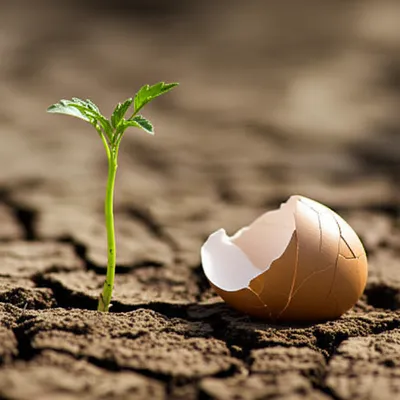
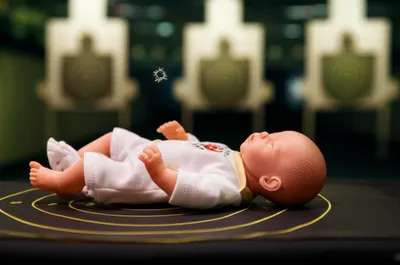
verb🔗Share태어나다, 낳다To produce, yield, give birth to."The farmer's field was born of many years of careful work. "그 농부의 밭은 여러 해 동안의 세심한 노력으로 태어났다.familyhumanpersonbiologyessentialChat with AIVocabulary GamePractice Reading
verb🔗Share향하다, 향하다(originally nautical) To be, or head, in a specific direction or azimuth (from somewhere)."The ship was born westward, following the prevailing winds. "배는 우세한 바람을 따라 서쪽으로 향했다.nauticaldirectionessentialChat with AIVocabulary GamePractice Reading
verb🔗Share얻다, 획득하다To gain or win."The team was born winners, having consistently outperformed their rivals. "그 팀은 경쟁자들을 꾸준히 능가하며 승리자로 태어났다.achievementactionessentialChat with AIVocabulary GamePractice Reading
adjective🔗Share타고난, 선천적인Having from birth (or as if from birth) a certain quality or character; innate; inherited."The child was born with a talent for music. "그 아이는 음악적 재능을 타고났다.naturecharacterhumanbeingqualityfamilyessentialChat with AIVocabulary GamePractice Reading
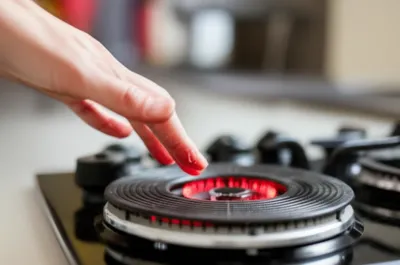
noun🔗Share화상A physical injury caused by heat, cold, electricity, radiation or caustic chemicals."She had second-degree burns from falling in the bonfire."그녀는 모닥불에 빠져 2도 화상을 입었다.medicinebodyphysiologyessentialChat with AIVocabulary GamePractice Reading
noun🔗Share고통, 감각A sensation resembling such an injury."chili burn from eating hot peppers"매운 고추를 먹고 난 후 고추의 화끈거리는 고통.sensationmedicinebodyessentialChat with AIVocabulary GamePractice Reading
noun🔗Share연소, 불태움The act of burning something with fire."The campfire's intense heat caused a quick born of the dry leaves. "캠프파이어의 강렬한 열은 마른 잎의 빠른 연소를 일으켰다.energyfuelprocessessentialChat with AIVocabulary GamePractice Reading
noun🔗Share찌름, 고통An intense non-physical sting, as left by shame or an effective insult."The teacher's harsh criticism left a sharp born of shame in Amelia's chest. "선생님의 가혹한 비판은 아멜리아의 가슴에 날카로운 수치심의 고통을 남겼다.mindemotionsufferingessentialChat with AIVocabulary GamePractice Reading
noun🔗Share통렬한 비난, 멋진 욕An effective insult, often in the expression sick burn (excellent or badass insult)."That sarcastic comment about my haircut was a real sick burn, a born insult. "내 머리 스타일에 대한 그 비꼬는 말은 진짜 통렬한 비난이었어, 멋진 욕이었어.languagecommunicationentertainmentstylewordessentialChat with AIVocabulary GamePractice Reading
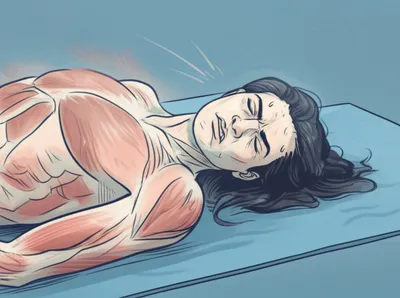
noun🔗Share근육통Physical sensation in the muscles following strenuous exercise, caused by build-up of lactic acid."One and, two and, keep moving; feel the burn!"하나, 둘, 계속 움직여; 근육통을 느껴봐!physiologybodysensationessentialChat with AIVocabulary GamePractice Reading
noun🔗Share담배Tobacco."My grandmother used to grow her own tobacco. "우리 할머니는 예전에 직접 담배를 키우셨어요.plantsubstanceessentialChat with AIVocabulary GamePractice Reading
noun🔗Share굽기The writing of data to a permanent storage medium like a compact disc or a ROM chip."The software engineer needed a new ROM chip, as the existing one had a corrupted born. "소프트웨어 엔지니어는 기존 ROM 칩에 손상된 굽기가 있어서 새로운 ROM 칩이 필요했다.computingtechnologywritingessentialChat with AIVocabulary GamePractice Reading
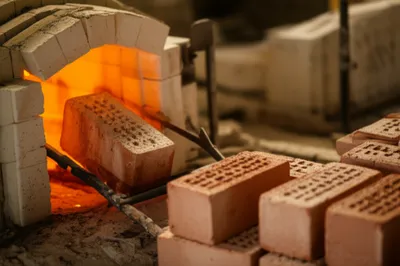
noun🔗Share굽기, 소성The operation or result of burning or baking, as in brickmaking."They have a good burn."그들은 굽기가 좋다.materialprocessindustryessentialChat with AIVocabulary GamePractice Reading
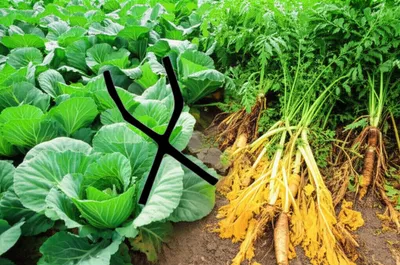
noun🔗Share병, 반점A disease in vegetables; brand."The tomato plants showed signs of the "mosaic born," a disease that affected their leaves. "토마토 식물은 잎에 영향을 미치는 질병인 "모자이크 병"의 징후를 보였다.vegetablediseasemarkessentialChat with AIVocabulary GamePractice Reading
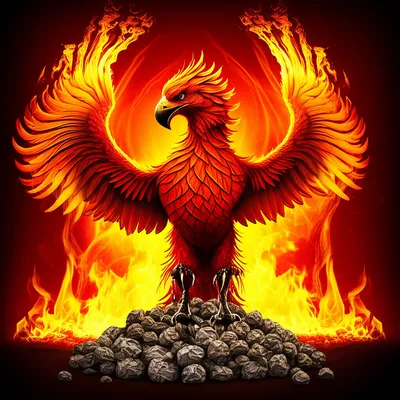
verb🔗Share태우다, 불태우다To cause to be consumed by fire."He burned his manuscript in the fireplace."그는 벽난로에서 원고를 태웠다.energyactiondisasteressentialChat with AIVocabulary GamePractice Reading
verb🔗Share불타다, 타다To be consumed by fire, or in flames."He watched the house burn."그는 집이 타는 것을 지켜봤다.disasteractioneventessentialChat with AIVocabulary GamePractice Reading
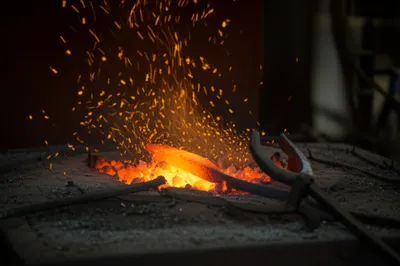
verb🔗Share타다, 망가지다To overheat so as to make unusable."He burned the toast. The blacksmith burned the steel."그는 토스트를 태웠다. 대장장이는 강철을 태웠다.technicalmachineenergydeviceessentialChat with AIVocabulary GamePractice Reading
verb🔗Share타다, 망가지다To become overheated to the point of being unusable."The grill was too hot and the steak burned."그릴이 너무 뜨거워서 스테이크가 탔다.technicalmachineelectronicsessentialChat with AIVocabulary GamePractice Reading
verb🔗Share만들어지다, 생산되다To make or produce by the application of fire or burning heat."to burn a hole; to burn letters into a block"구멍을 만들다; 블록에 글자를 새기다energyfuelprocessessentialChat with AIVocabulary GamePractice Reading
verb🔗Share태우다, 화상을 입히다To injure (a person or animal) with heat or chemicals that produce similar damage."She burned the child with an iron, and was jailed for ten years."그녀는 다리미로 아이를 태웠고, 10년 동안 감옥에 갇혔다.medicinebodysensationessentialChat with AIVocabulary GamePractice Reading
verb🔗Share지지다, 소작하다To cauterize."The doctor will born the infected tissue to stop the bleeding. "의사는 출혈을 멈추기 위해 감염된 조직을 지질 것입니다.medicineessentialChat with AIVocabulary GamePractice Reading
verb🔗Share햇볕에 타다To sunburn."She forgot to put on sunscreen and burned."그녀는 선크림을 바르는 것을 잊고 햇볕에 탔다.appearancebodyweatheressentialChat with AIVocabulary GamePractice Reading
verb🔗Share태우다, 불태우다To consume, injure, or change the condition of, as if by action of fire or heat; to affect as fire or heat does."to burn the mouth with pepper"고추로 입을 태우다.conditionactionessentialChat with AIVocabulary GamePractice Reading
verb🔗Share얼굴이 붉어지다To be hot, e.g. due to embarrassment."When she heard the teacher call her name, she felt born with embarrassment. "그녀는 선생님이 자기 이름을 부르는 것을 듣고 당황해서 얼굴이 붉어졌다.sensationemotionessentialChat with AIVocabulary GamePractice Reading
verb🔗Share태우다, 산화시키다To cause to combine with oxygen or other active agent, with evolution of heat; to consume; to oxidize."A human being burns a certain amount of carbon at each respiration. to burn iron in oxygen"인간은 호흡할 때마다 일정량의 탄소를 태운다.chemistryscienceprocessessentialChat with AIVocabulary GamePractice Reading
verb🔗Share타다, 연소하다To combine energetically, with evolution of heat."Copper burns in chlorine."구리는 염소에서 연소한다.energychemistryessentialChat with AIVocabulary GamePractice Reading
verb🔗Share굽다To write data to a permanent storage medium like a compact disc or a ROM chip."We’ll burn this program onto an EEPROM one hour before the demo begins."데모가 시작되기 한 시간 전에 이 프로그램을 EEPROM에 구울 것입니다.technologycomputingelectronicsessentialChat with AIVocabulary GamePractice Reading
verb🔗Share배신하다To betray."The informant burned him."정보원이 그를 배신했다.moralcharacterguiltactionnegativeessentialChat with AIVocabulary GamePractice Reading
verb🔗Share이기다, 꺾다To insult or defeat."I just burned you again."방금 또 너를 이겼어.actionachievementwordessentialChat with AIVocabulary GamePractice Reading
verb🔗Share낭비하다, 허비하다To waste (time); to waste money or other resources."The company has burned more than a million dollars a month this year."그 회사는 올해 매달 백만 달러 이상을 낭비했다.valueeconomybusinessfinanceessentialChat with AIVocabulary GamePractice Reading
verb🔗Share접근하다In certain games, to approach near to a concealed object which is sought."The children were born near the hidden treasure during the scavenger hunt. "아이들은 보물찾기 동안 숨겨진 보물에 접근했다.gameessentialChat with AIVocabulary GamePractice Reading
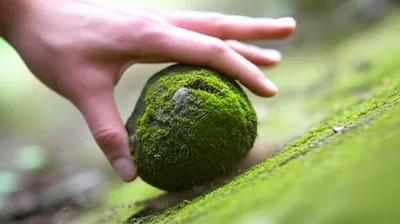
verb🔗Share닿다To accidentally touch a moving stone."While playing in the park, the child accidentally born the rolling stone, causing it to hit a nearby flower. "공원에서 놀던 아이는 실수로 구르는 돌에 닿아 근처의 꽃을 치게 만들었다.actionphysicsessentialChat with AIVocabulary GamePractice Reading
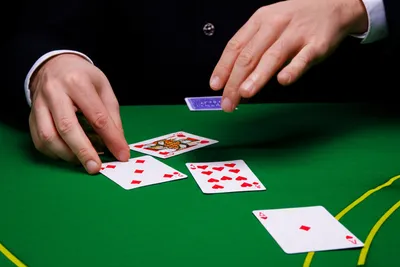
verb🔗Share교환하다In pontoon, to swap a pair of cards for another pair, or to deal a dead card."During the pontoon game, the player born a pair of tens for a pair of kings. "폰툰 게임 중에, 그 선수는 십의 쌍을 왕의 쌍으로 교환했다.gameessentialChat with AIVocabulary GamePractice Reading
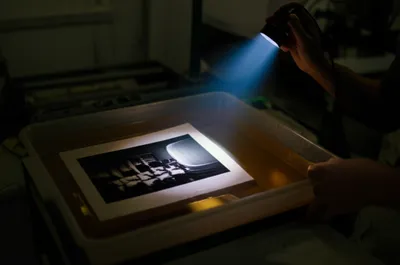
verb🔗Share밝게 하다To increase the exposure for certain areas of a print in order to make them lighter (compare dodge)."To make the highlighted section of the school report card stand out, the teacher born the area around the good grades. "학교 성적표의 강조된 부분을 돋보이게 하기 위해, 선생님은 좋은 성적 주변 영역을 밝게 했습니다.artmediatechnicalwritingessentialChat with AIVocabulary GamePractice Reading
verb🔗Share생성되다, 만들어지다(of an element) To be converted to another element in a nuclear fusion reaction, especially in a star"In the heart of the star, hydrogen is born into helium through nuclear fusion. "별의 중심에서 수소는 핵융합을 통해 헬륨으로 생성된다.astronomyphysicsenergyelementspaceessentialChat with AIVocabulary GamePractice Reading
verb🔗Share버리다, 폐기하다To discard."She had to born the old textbooks because the new ones were required for the class. "그녀는 수업에 새 교재가 필요했기 때문에 낡은 교과서를 버려야 했다.actionessentialChat with AIVocabulary GamePractice Reading
verb🔗Share총으로 쏘다, 사살하다To shoot someone with a firearm."The security guard was born in the leg when the thief tried to run. "경비원은 도둑이 도망치려 하자 다리에 총을 맞았다.weaponmilitarypoliceactionessentialChat with AIVocabulary GamePractice Reading
noun🔗Share시내, 원천A stream."The farmer walked along the born, checking his crops. "농부는 시내를 따라 걸으며 작물을 확인했다.naturegeographyessentialChat with AIVocabulary GamePractice Reading