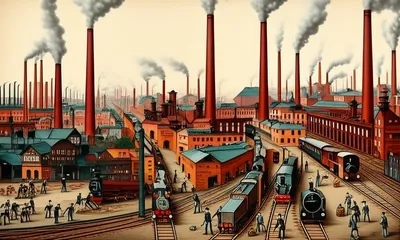
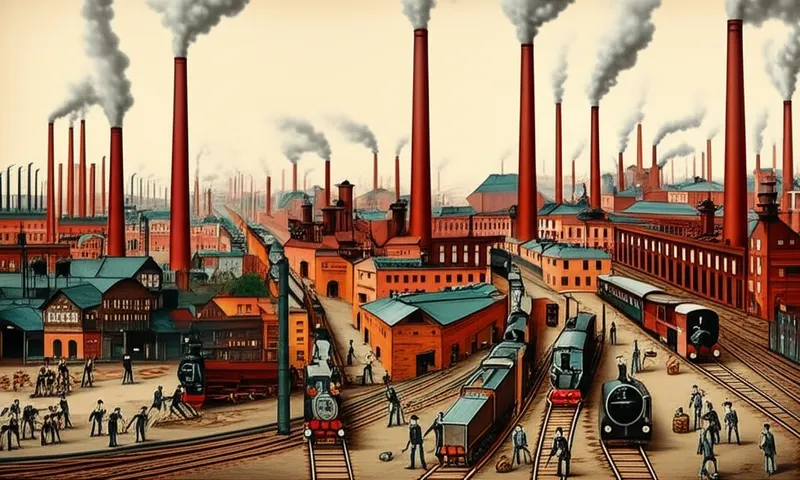
noun 다운로드 🔗공유 시대, 시기 A particular period of history, especially one considered noteworthy or remarkable. Examples : "The 1960s was a period of great social change, an epoch remembered for its music and protests. " 1960년대는 큰 사회 변화의 시기였으며, 음악과 시위로 기억되는 시대였습니다. history time period age AI와 채팅어휘 게임독해 연습
noun 다운로드 🔗공유 시대, 시기 A notable event which marks the beginning of such a period. Examples : "The invention of the printing press was a significant epoch in the history of communication. " 인쇄술의 발명은 의사소통 역사에서 중요한 시대였다. history time event period AI와 채팅어휘 게임독해 연습
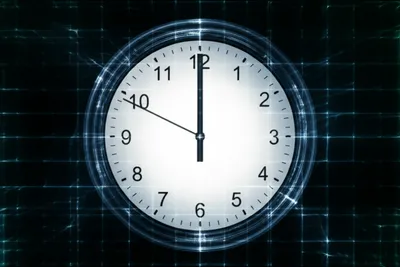
noun 다운로드 🔗공유 시대, 시점 A precise instant of time that is used as a point of reference. Examples : "The computer system uses January 1, 1970, as its epoch, counting seconds from that reference point to track all dates and times. " 컴퓨터 시스템은 1970년 1월 1일을 기준으로 하여 모든 날짜와 시간을 추적하기 위해 해당 기준점부터 초를 계산합니다. time history science AI와 채팅어휘 게임독해 연습
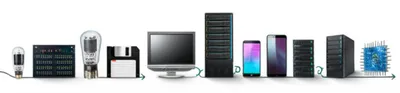
noun 다운로드 🔗공유 에포크 Uses in computing. Examples : "The new operating system is a major epoch in computer technology for schools. " 새 운영 체제는 학교를 위한 컴퓨터 기술의 주요 에포크입니다. computing technology time AI와 채팅어휘 게임독해 연습
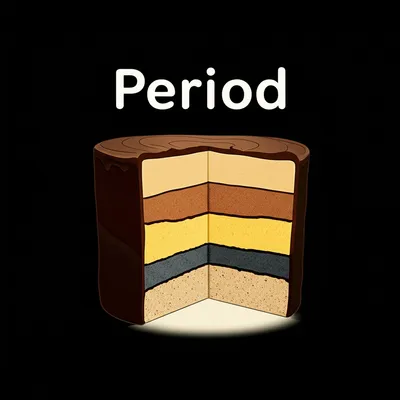
noun 다운로드 🔗공유 세 A unit of geologic time subdividing a period into smaller parts. Examples : "The Paleocene is a period in geologic time, and the Danian is one of its epochs. " 고생대는 지질 시대의 한 기간이며, 다니아는 그 세 중 하나입니다. geology time science history age period AI와 채팅어휘 게임독해 연습
verb 다운로드 🔗공유 기간별로 (데이터)를 세그먼트로 나누다 To divide (data) into segments by time period. Examples : "The researcher epoched the video recordings of the child's development to study how their language skills improved over the year. " 연구자는 아이의 언어 능력이 1년 동안 어떻게 향상되었는지 연구하기 위해 아이의 발달에 대한 비디오 녹화를 기간별로 세그먼트로 나누었습니다. time computing technology process AI와 채팅어휘 게임독해 연습