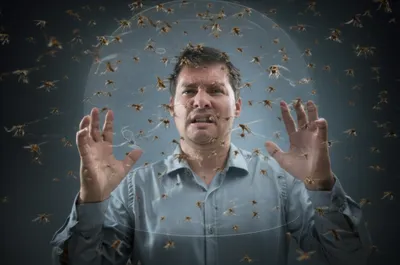




noun🔗Share공포, 두려움A fright; a scare."The sudden loud bang outside gave everyone in the classroom a real flay. "밖에서 갑자기 큰 소리가 나자 교실 안의 모든 사람이 진짜 공포를 느꼈다.sensationemotionChat with AIVocabulary GamePractice Reading
noun🔗Share두려움, 공포Fear; a source of fear; a formidable matter; a fearsome or repellent-looking individual."The upcoming math test was a genuine flay for many students in the class. "다가오는 수학 시험은 반 학생들에게 진정한 두려움이었다.emotioncharacterpersonattitudemindChat with AIVocabulary GamePractice Reading
verb🔗Share쫓아내다, 날려 보내다To cause to fly; put to flight; drive off (by frightening)."The loud bang of the firework flayed the pigeons from the park bench. "폭죽의 큰 소리에 비둘기들이 공원 벤치에서 날아갔다.actioninhumanChat with AIVocabulary GamePractice Reading
verb🔗Share겁먹게 하다, 무서워하게 하다To frighten; scare; terrify."The harsh words of the angry customer flayed the young cashier, leaving him shaking. "화가 난 고객의 거친 말은 어린 계산원을 겁먹게 했고, 그는 떨고 있었다.sensationmindemotionChat with AIVocabulary GamePractice Reading
verb🔗Share겁에 질리다, 무서워하다To be fear-stricken."He flayed at the sound of the unexpected shout in the empty house. "그는 빈 집에서 예상치 못한 외침 소리에 겁에 질렸다.emotionmindsensationChat with AIVocabulary GamePractice Reading
verb🔗Share껍질을 벗기다To strip skin off"The butcher carefully used his knife to flay the rabbit before preparing it for cooking. "정육점 주인은 요리하기 전에 토끼의 껍질을 벗기기 위해 칼을 조심스럽게 사용했다.anatomybodymedicinephysiologyactionChat with AIVocabulary GamePractice Reading
verb🔗Share채찍질하다, 매질하다To lash"The coach would flay the team with harsh words after they lost the game. "코치는 경기에 진 후 팀을 가혹한 말로 채찍질했다.actionbodyinhumanChat with AIVocabulary GamePractice Reading