
gibberish
Meanings



엉터리, 헛소리
Examples :

알 수 없는, 횡설수설하는
Examples :
Related Words

incoherent adjective
/ˌɪnkəˈhɪərənt/ /ˌɪŋkoʊˈhɪərənt/
일관성이 없는, 앞뒤가 안 맞는


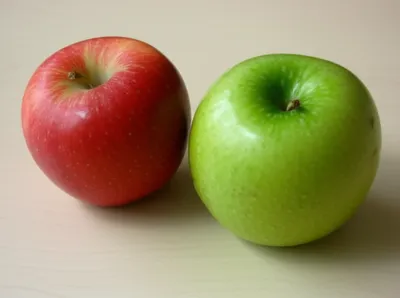
comparable noun
/kəmˈpæɹəbl̩/
비교 대상
"The new student's performance was a comparable achievement to the top students. "
새 학생의 성과는 우수 학생들의 성과와 비교할 만한 성과였다.

historical noun
/hɪˈstɒɹɪkəl/ /hɪˈstɔːɹɪkəl/
역사 소설
"The historical romance novel was a bestseller in the bookstore. "
그 역사 소설은 서점에서 베스트셀러였다.





unintelligible adjective
/ˌʌnɪnˈtɛlɨdʒɨbəl/
이해할 수 없는, 알아들을 수 없는
선생님의 지시는 이해할 수 없었고, 아무도 그들이 무엇을 해야 하는지 이해하지 못했다.

meaningless adjective
/ˈmiːnɪŋləs/ /ˈmiːnɪŋlɪs/
무의미한, 의미 없는
"The word "gugugu" is meaningless in English."
영어에서 "gugugu"라는 단어는 무의미하다.