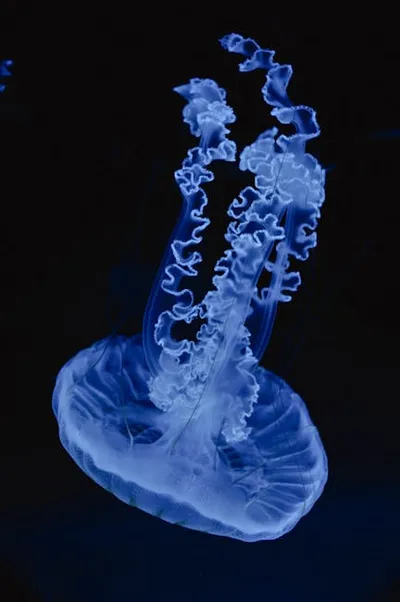
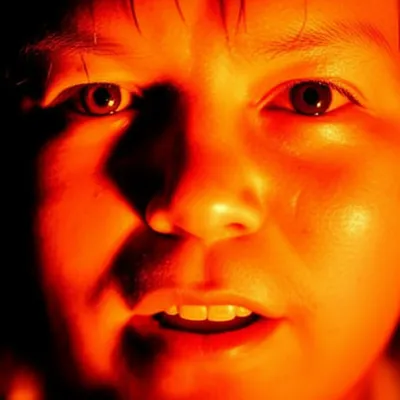
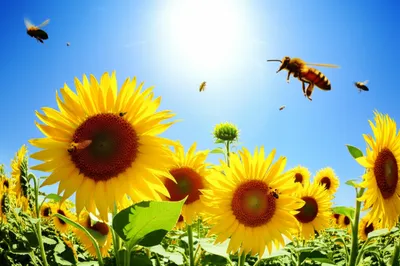
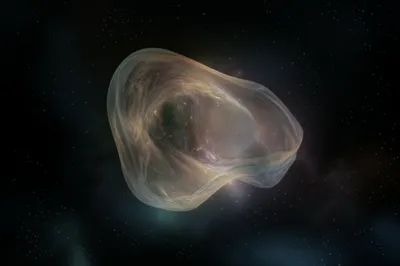
verb 다운로드 🔗공유 빛났다, 빛을 내다 To give off light from heat or to emit light as if heated. Examples : "The fire was still glowing after ten hours." 불은 10시간 후에도 여전히 빛을 내고 있었다. energy physics appearance science phenomena AI와 채팅어휘 게임독해 연습
verb 다운로드 🔗공유 빛나다, 빛을 내다 To radiate some emotional quality like light. Examples : "The zealots glowed with religious fervor." 열성분자들은 종교적 열정으로 빛을 냈다. emotion appearance AI와 채팅어휘 게임독해 연습
verb 다운로드 🔗공유 빛나다, 빛을 내다 To gaze especially passionately at something. Examples : "The mother glowed at her newborn baby in the hospital bed. " 어머니는 병원 침대에 있는 갓 태어난 아기를 보며 빛을 냈다. emotion sensation mind AI와 채팅어휘 게임독해 연습
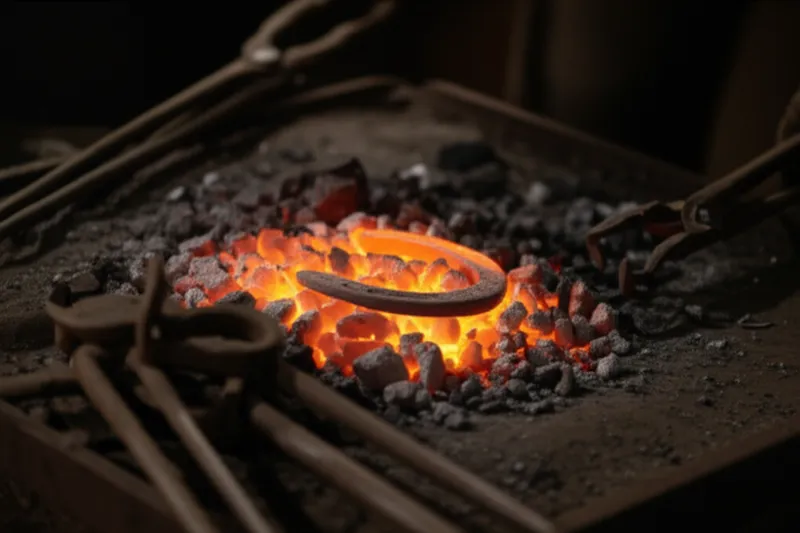
verb 다운로드 🔗공유 빛났다, 타올랐다 To radiate thermal heat. Examples : "The metal rod glowed red after being heated in the furnace, radiating warmth throughout the workshop. " 금속 막대는 용광로에서 가열된 후 붉게 빛나며 작업장 전체에 따뜻함을 발산했다. energy physics science AI와 채팅어휘 게임독해 연습
verb 다운로드 🔗공유 빛났다, 빛을 냈다 To shine brightly and steadily. Examples : "The campfire glowed, keeping us warm in the night. " 모닥불이 빛나며 밤에 우리를 따뜻하게 해 주었다. appearance energy nature phenomena AI와 채팅어휘 게임독해 연습
verb 다운로드 🔗공유 빛나다, 붉어지다 To make hot; to flush. Examples : "After running a mile, her cheeks glowed red from the exertion. " 1마일을 달린 후, 그녀의 뺨은 운동으로 인해 붉게 빛났다. appearance physiology sensation AI와 채팅어휘 게임독해 연습
verb 다운로드 🔗공유 타올랐다, 뜨거워졌다 To feel hot; to have a burning sensation, as of the skin, from friction, exercise, etc.; to burn. Examples : "After running up the stairs, her cheeks glowed. " 계단을 뛰어 올라간 후, 그녀의 뺨이 뜨거워졌다. physiology sensation body AI와 채팅어휘 게임독해 연습