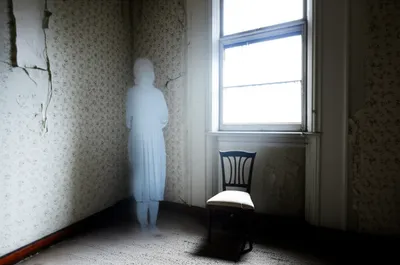






noun🔗Share유령, 귀신, 망령Specter, ghost, haunting spirit"The old house, locals whispered, was haunted by a grim – a restless spirit forever bound to its decaying walls. "마을 사람들은 그 낡은 집이 망령, 즉 썩어가는 벽에 영원히 묶인 불안한 영혼에 의해 유령이 들렸다고 속삭였다.supernaturalmythologyliteratureChat with AIVocabulary GamePractice Reading
verb🔗Share찡그리다, 험악하게 하다To make grim; to give a stern or forbidding aspect to."The teacher's serious tone grimmed the atmosphere in the classroom. "선생님의 진지한 어조는 교실의 분위기를 험악하게 만들었다.appearanceactionattitudeChat with AIVocabulary GamePractice Reading
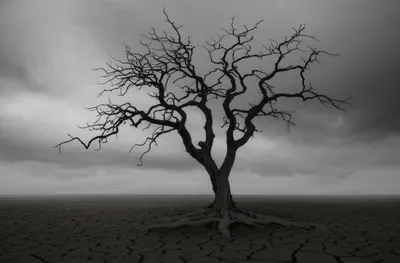
adjective🔗Share암울한, 음울한, 냉혹한Dismal and gloomy, cold and forbidding"Life was grim in many northern industrial towns."많은 북부 산업 도시에서 삶은 암울했다.appearanceconditioncharacterattitudeChat with AIVocabulary GamePractice Reading
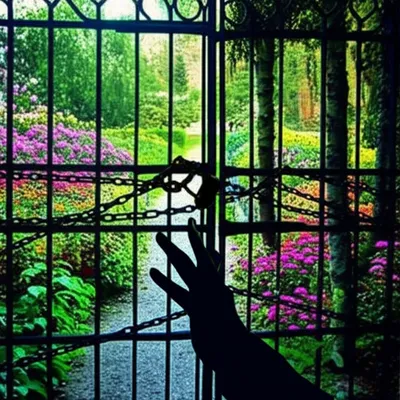
adjective🔗Share엄격한, 가혹한Rigid and unrelenting"His grim determination enabled him to win."그의 엄격한 결의는 그가 승리할 수 있게 했다.attitudecharacterconditionnegativeChat with AIVocabulary GamePractice Reading
adjective🔗Share섬뜩한, 음산한Ghastly or sinister"A grim castle overshadowed the village."섬뜩한 성이 마을을 내려다보았다.appearancecharacterconditionnegativeChat with AIVocabulary GamePractice Reading
adjective🔗Share역겨운, 혐오스러운Disgusting; gross"The dumpster behind the restaurant had a grim smell. "식당 뒤 쓰레기통에서 역겨운 냄새가 났다.appearancenegativeChat with AIVocabulary GamePractice Reading
noun🔗Share분노, 노여움Anger, wrath."His grim over the missed deadline was evident in his furrowed brow. "마감일을 놓친 것에 대한 그의 분노는 찌푸린 눈썹에서 분명히 드러났다.emotioncharacterattitudemindChat with AIVocabulary GamePractice Reading