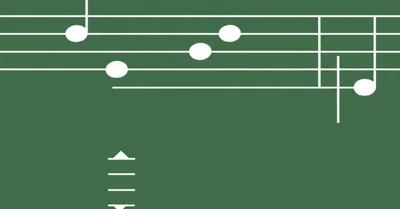
noun 다운로드 🔗공유 음, 소리 A specific pitch. Examples : "The piano teacher praised the student for the even tone of her practice piece. " 피아노 선생님은 학생의 연습곡의 고른 음색을 칭찬했다. music sound essential AI와 채팅어휘 게임독해 연습
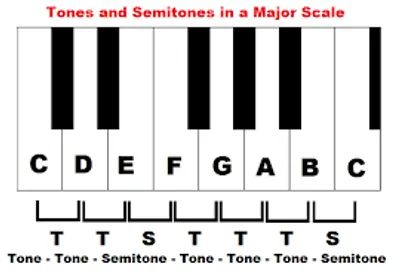
noun 다운로드 🔗공유 온음 (in the diatonic scale) An interval of a major second. Examples : "The melody had a beautiful tone, rising a major second between each note. " 멜로디는 아름다운 온음을 가지고 있었고, 각 음 사이에서 장2도씩 상승했다. music sound number essential AI와 채팅어휘 게임독해 연습
noun 다운로드 🔗공유 선율 (in a Gregorian chant) A recitational melody. Examples : "The choir practiced the Gregorian chant's gentle tone. " 합창단은 그레고리안 성가의 부드러운 선율을 연습했다. music religion essential AI와 채팅어휘 게임독해 연습
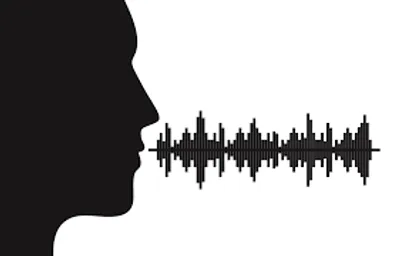
noun 다운로드 🔗공유 음색, 소리 The character of a sound, especially the timbre of an instrument or voice. Examples : "The piano's tone was bright and clear, making it easy to hear every note. " 피아노의 음색은 밝고 맑아서 모든 음을 쉽게 들을 수 있었다. sound music language communication character essential AI와 채팅어휘 게임독해 연습
noun 다운로드 🔗공유 어조, 분위기, 경향 General character, mood, or trend. Examples : "Her rousing speech gave an upbeat tone to the rest of the evening." 그녀의 열띤 연설은 저녁의 나머지 시간에 긍정적인 분위기를 더했다. style character attitude communication language writing media literature essential AI와 채팅어휘 게임독해 연습
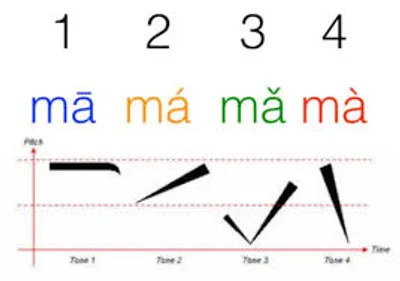
noun 다운로드 🔗공유 성조 The pitch of a word that distinguishes a difference in meaning, for example in Chinese. Examples : "The speaker's tone in her presentation was polite, but the rising tone on the word "unfortunately" suggested she was disappointed. " 발표에서 발표자의 성조는 정중했지만, "불행하게도"라는 단어의 상승조는 그녀가 실망했다는 것을 암시했다. linguistics phonetics language sound word communication essential AI와 채팅어휘 게임독해 연습
noun 다운로드 🔗공유 징징거리는 말투, 흐느끼는 목소리 A whining style of speaking; a kind of mournful or artificial strain of voice; an affected speaking with a measured rhythm and a regular rise and fall of the voice. Examples : "Children often read with a tone." 아이들은 종종 징징거리는 말투로 읽는다. language style communication sound essential AI와 채팅어휘 게임독해 연습
noun 다운로드 🔗공유 어조, 말투 The manner in which speech or writing is expressed. Examples : "Her tone in the meeting was serious, indicating that she wanted everyone to listen carefully. " 회의에서 그녀의 말투는 진지했고, 모두가 주의 깊게 듣기를 원한다는 것을 나타냈다. language writing style communication essential AI와 채팅어휘 게임독해 연습
noun 다운로드 🔗공유 마음 상태, 기분 State of mind; temper; mood. Examples : "Her tone suggested she was disappointed with the test results. " 그녀의 말투는 그녀가 시험 결과에 실망했다는 것을 암시했다. mind attitude character style communication literature linguistics music essential AI와 채팅어휘 게임독해 연습
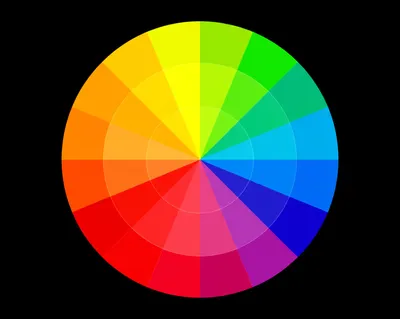
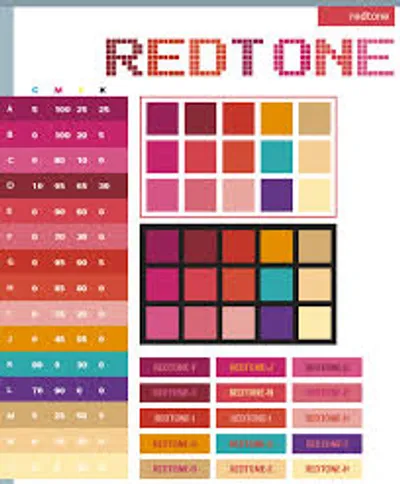
noun 다운로드 🔗공유 색조, 색상 The shade or quality of a colour. Examples : "The painting's tone was a soft, muted yellow-green. " 그림의 색조는 부드럽고 차분한 노란색과 녹색이었다. color quality essential AI와 채팅어휘 게임독해 연습
noun 다운로드 🔗공유 색조, 색감 The favourable effect of a picture produced by the combination of light and shade, or of colours. Examples : "This picture has tone." 이 그림은 색조가 좋다. art appearance style quality essential AI와 채팅어휘 게임독해 연습
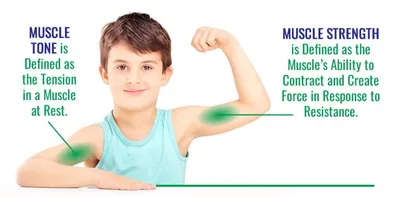
noun 다운로드 🔗공유 긴장, 탄력 The definition and firmness of a muscle or organ; see also: tonus. Examples : "The doctor said the athlete's hamstring had good tone, meaning the muscle was strong and healthy. " 의사는 운동선수의 햄스트링이 좋은 탄력을 가지고 있다고 말했는데, 이는 근육이 강하고 건강하다는 의미였다. physiology anatomy body medicine organ essential AI와 채팅어휘 게임독해 연습
noun 다운로드 🔗공유 상태, 건강 The state of a living body or of any of its organs or parts in which the functions are healthy and performed with due vigor. Examples : "The athlete's strong tone allowed him to lift heavy weights easily. " 선수의 튼튼한 건강 상태는 그가 무거운 역기를 쉽게 들 수 있게 해주었다. physiology medicine biology body condition essential AI와 채팅어휘 게임독해 연습
noun 다운로드 🔗공유 긴장, 탄력 Normal tension or responsiveness to stimuli. Examples : "The baby's tone was normal; she reacted happily to the sound of her mother's voice. " 아기의 긴장은 정상이었고, 엄마의 목소리에 행복하게 반응했다. physiology medicine body essential AI와 채팅어휘 게임독해 연습
noun 다운로드 🔗공유 톤, 음색 A gun Examples : "My grandfather used to carry a heavy hunting tone. " 할아버지는 무거운 사냥 톤을 가지고 다니셨다. weapon military essential AI와 채팅어휘 게임독해 연습
verb 다운로드 🔗공유 톤을 내다, 어조를 더하다 To give a particular tone to Examples : "The teacher toned down her criticism, making the feedback less harsh and more helpful. " 선생님은 비판의 어조를 낮춰 피드백을 덜 가혹하고 더 도움이 되게 했습니다. communication language writing style essential AI와 채팅어휘 게임독해 연습
verb 다운로드 🔗공유 색을 입히다, 톤을 맞추다 To change the colour of Examples : "The artist used a special dye to tone the fabric a deeper shade of blue. " 그 예술가는 천에 더 짙은 파란색 음영을 입히기 위해 특별한 염료를 사용했다. color essential AI와 채팅어휘 게임독해 연습
verb 다운로드 🔗공유 강화하다, 탄탄하게 하다 To make (something) firmer Examples : "The chef toned the dough before rolling it out to make the perfect pizza crust. " 요리사는 완벽한 피자 크러스트를 만들기 위해 반죽을 밀기 전에 강화했습니다. body physiology essential AI와 채팅어휘 게임독해 연습
verb 다운로드 🔗공유 조화시키다, 맞추다 To harmonize, especially in colour Examples : "The artist carefully toned the paint colours to create a soft, calming effect in the bedroom. " 화가는 침실에서 부드럽고 차분한 효과를 내기 위해 페인트 색상을 신중하게 조화시켰다. color art appearance essential AI와 채팅어휘 게임독해 연습
verb 다운로드 🔗공유 억양을 넣다, 말투를 내다 To utter with an affected tone. Examples : "To impress his classmates, he toned his voice, speaking in a deliberately dramatic way. " 그는 급우들에게 깊은 인상을 주기 위해 의도적으로 과장된 방식으로 말하며 말투를 냈다. communication language attitude essential AI와 채팅어휘 게임독해 연습
pronoun 다운로드 🔗공유 그것 The one (of two) Examples : "My brother and I both wanted the last slice of pizza; tone of us got it. " 내 동생과 나는 둘 다 마지막 피자 조각을 원했지만, 우리 중 그것이 그것을 가졌다. grammar language essential AI와 채팅어휘 게임독해 연습