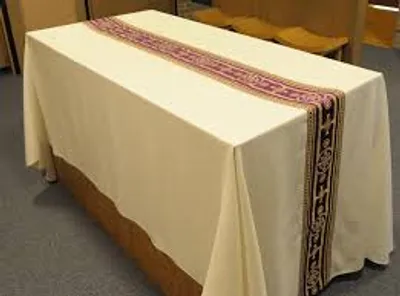
noun 다운로드 🔗공유 덮개, 장막 Senses relating to cloth. Examples : "The tailor used a heavy pall of dark grey cloth to make the wedding dress. " 재단사는 웨딩드레스를 만들기 위해 짙은 회색 천으로 된 무거운 덮개를 사용했다. material wear AI와 채팅어휘 게임독해 연습
noun 다운로드 🔗공유 장막, 덮개 Senses relating to clothing. Examples : "The dark pall of the bridesmaid's dress contrasted sharply with the bright colours of the other guests' outfits. " 신부 들러리의 드레스의 어두운 덮개는 다른 손님들의 의상의 밝은 색상과 날카롭게 대조를 이루었습니다. wear appearance AI와 채팅어휘 게임독해 연습
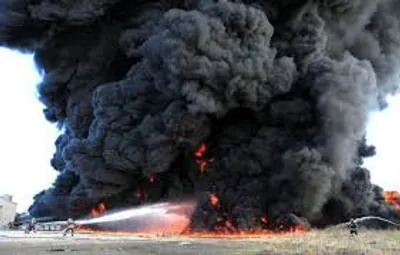
verb 다운로드 🔗공유 덮다, 가리다 To cloak or cover with, or as if with, a pall. Examples : "The heavy fog palled the city, obscuring everything in a thick, gray blanket. " 짙은 안개가 도시를 덮어 모든 것을 두꺼운 회색 담요로 가렸다. appearance condition abstract AI와 채팅어휘 게임독해 연습
verb 다운로드 🔗공유 무미건조하게 만들다, 시들게 하다, 약화시키다 To make vapid or insipid; to make lifeless or spiritless; to dull, to weaken. Examples : "The teacher's long, repetitive lecture began to pall on the students, making them drowsy and uninterested. " 선생님의 길고 반복적인 강의는 학생들을 무미건조하게 만들었고, 졸리고 흥미를 잃게 만들었다. mind condition emotion AI와 채팅어휘 게임독해 연습
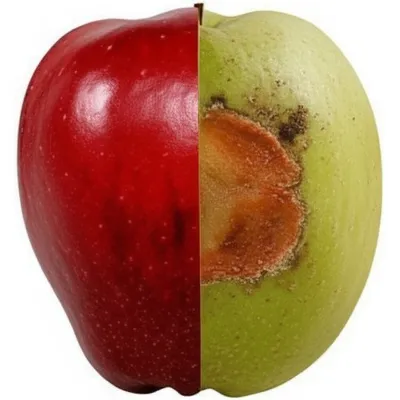
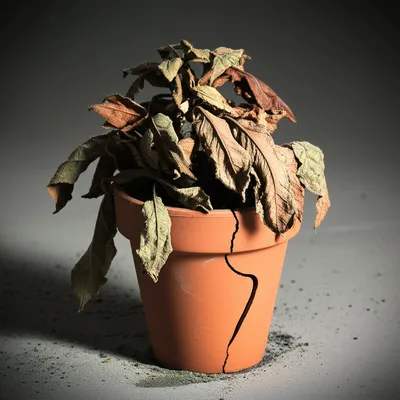
verb 다운로드 🔗공유 시들다, 쇠퇴하다 To become dull, insipid, tasteless, or vapid; to lose life, spirit, strength, or taste. Examples : "The liquor palls." 술의 맛이 시들해진다. condition quality mind sensation AI와 채팅어휘 게임독해 연습
noun 다운로드 🔗공유 메스꺼움, 혐오감 A feeling of nausea caused by disgust or overindulgence. Examples : "After eating three plates of pasta at the buffet, a heavy pall settled over him, and he had to lie down. " 뷔페에서 파스타 세 접시를 먹은 후, 그는 메스꺼움을 느껴 누워야 했다. sensation medicine body AI와 채팅어휘 게임독해 연습