noun 다운로드 🔗공유 장막, 덮개 Senses relating to cloth. Examples : "The tailor carefully examined the palls of the new fabric before cutting it. " 재단사는 새 천의 덮개를 자르기 전에 조심스럽게 살펴보았다. material AI와 채팅어휘 게임독해 연습
noun 다운로드 🔗공유 의복, 옷 Senses relating to clothing. Examples : "The estate sale offered a collection of vintage dresses, and amongst the palls were lace gloves, shawls, and a beautiful silk scarf. " 유산 판매는 빈티지 드레스 컬렉션을 제공했으며, 옷들 중에는 레이스 장갑, 숄, 아름다운 실크 스카프가 있었습니다. wear style appearance AI와 채팅어휘 게임독해 연습
verb 다운로드 🔗공유 덮다, 가리다 To cloak or cover with, or as if with, a pall. Examples : "The thick fog palls the city, making it hard to see. " 짙은 안개가 도시를 덮어 시야를 가린다. appearance nature AI와 채팅어휘 게임독해 연습
verb 다운로드 🔗공유 지루하게 만들다, 싫증나게 하다, 약화시키다 To make vapid or insipid; to make lifeless or spiritless; to dull, to weaken. Examples : "The constant repetition of the same worksheets quickly palls on the students, making them lose interest in learning. " 같은 워크시트의 반복적인 사용은 학생들을 금방 지루하게 만들어 학습에 대한 흥미를 잃게 한다. condition attitude emotion character mind AI와 채팅어휘 게임독해 연습
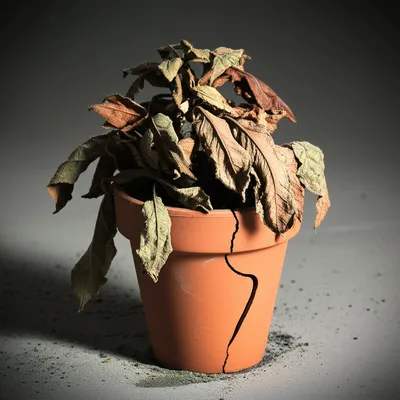
verb 다운로드 🔗공유 시들해지다, 흥미를 잃다 To become dull, insipid, tasteless, or vapid; to lose life, spirit, strength, or taste. Examples : "The liquor palls." 술이 시들해진다. sensation mind emotion AI와 채팅어휘 게임독해 연습
noun 다운로드 🔗공유 메스꺼움, 혐오감 A feeling of nausea caused by disgust or overindulgence. Examples : "The smell of burnt popcorn at the movie theater gave her a strong pall. " 영화관에서 탄 팝콘 냄새는 그녀에게 강한 혐오감을 안겨주었다. sensation medicine body mind AI와 채팅어휘 게임독해 연습