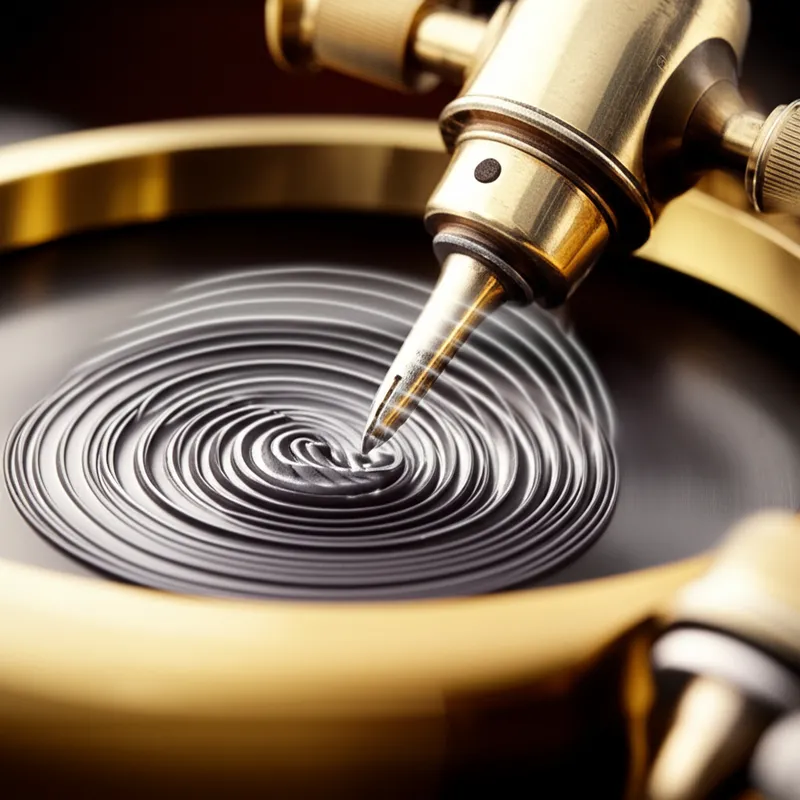

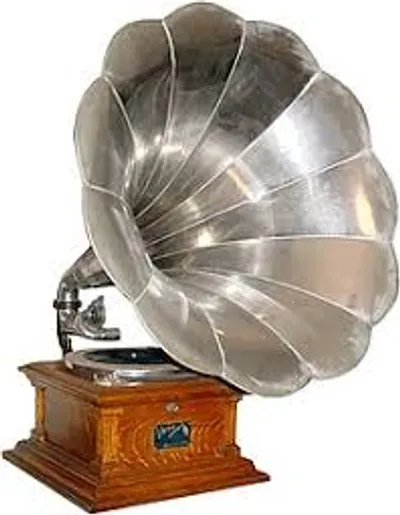
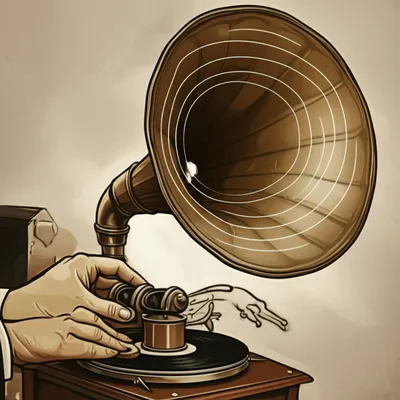
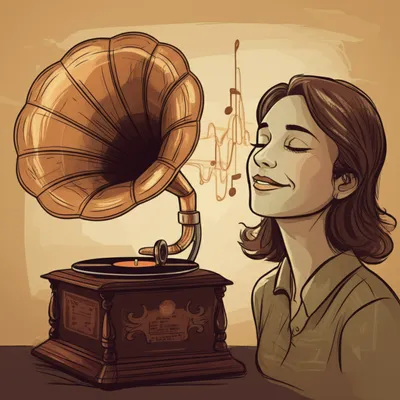
noun🔗Share축음기A device that captures sound waves onto an engraved archive; a lathe."My grandfather's old phonograph played music from the 1950s. "할아버지의 오래된 축음기는 1950년대의 음악을 틀었다.soundtechnologymusicentertainmentdevicemachinehistoryChat with AIVocabulary GamePractice Reading
noun🔗Share축음기A device that records or plays sound from cylinder records."My grandfather used to play music on his old phonograph. "할아버지는 옛 축음기로 음악을 틀곤 하셨다.technologyelectronicsdevicemachinesoundmusichistorymediaentertainmentChat with AIVocabulary GamePractice Reading
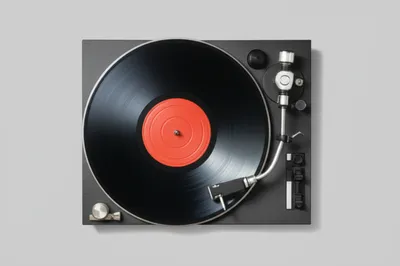
noun🔗Share축음기, 레코드 플레이어A record player."My grandfather still has a phonograph and a large collection of vinyl records. "할아버지는 아직 축음기와 많은 양의 비닐 레코드판을 가지고 계신다.musicentertainmentelectronicstechnologymachinesounddevicecommunicationChat with AIVocabulary GamePractice Reading
noun🔗Share음성 문자A character or symbol used to represent a sound, especially one used in phonography."The teacher wrote the phonograph symbol for the letter "sh" on the board. "선생님은 칠판에 "sh" 소리를 나타내는 음성 문자를 썼다.soundlanguagecommunicationphoneticslinguisticswritingmediatechnologyChat with AIVocabulary GamePractice Reading
verb🔗Share녹음하다To record for playback by phonograph."My grandpa phonographed his favorite speeches for his grandkids to hear later. "할아버지는 손주들이 나중에 들을 수 있도록 가장 좋아하는 연설을 녹음했습니다.soundmusicentertainmenttechnologymediadevicemachineChat with AIVocabulary GamePractice Reading
verb🔗Share음성 기호로 옮기다To transcribe into phonographic symbols."The journalist planned to phonograph the politician's speech so she could accurately record every word. "기자는 정치인의 연설을 음성 기호로 옮겨 모든 단어를 정확하게 기록할 계획이었다.technologycommunicationsoundwritingmediaChat with AIVocabulary GamePractice Reading