
verb🔗Share대문자로 쓰다In writing or editing, to write (something: either an entire word or text, or just the initial letter(s) thereof) in capital letters, in upper case."In German, all nouns are capitalized."독일어에서는 모든 명사가 대문자로 쓰입니다.grammarwritinglanguagewordChat with AIVocabulary GamePractice Reading
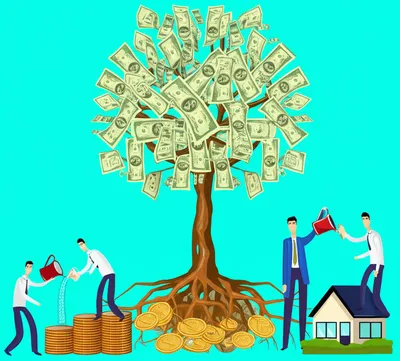
verb🔗Share자본을 대다, 출자하다To contribute or acquire capital (money or other resources) for."Some states require proof that a new venture is properly capitalized before the state will issue a certificate of incorporation."일부 주에서는 주에서 법인 설립 증서를 발급하기 전에 새로운 벤처가 적절하게 자본화되었음을 증명하도록 요구합니다.businessfinanceeconomyChat with AIVocabulary GamePractice Reading
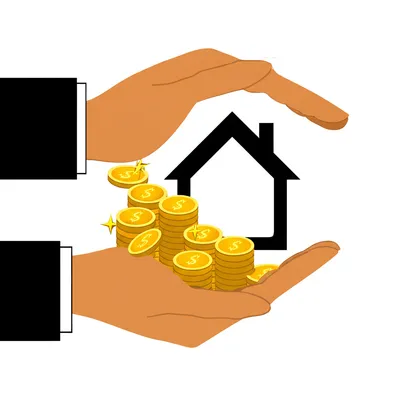
verb🔗Share자본화하다, 자본으로 전환하다To convert into capital, i.e., to get cash or similar immediately fungible resources for some less fungible property or source of future income."If we obtain a loan using the business as collateral, the effect will be to capitalize our next ten years of income, giving us cash today that we can use to buy out our competitor."만약 우리가 사업체를 담보로 대출을 받는다면, 그 효과는 향후 10년간의 소득을 자본화하여 오늘날 현금을 확보하는 것이 될 것이고, 이를 통해 경쟁사를 인수할 수 있습니다.businessfinanceeconomyassetChat with AIVocabulary GamePractice Reading
verb🔗Share자본화하다To treat as capital, not as an expense."Instead of expensing the new office computers immediately, the company capitalised them, depreciating their cost over five years. "새 사무실 컴퓨터를 즉시 비용 처리하는 대신, 회사는 이를 자본화하여 5년에 걸쳐 비용을 감가상각했습니다.businessfinanceChat with AIVocabulary GamePractice Reading
verb🔗Share이익을 얻다, 활용하다To profit or to obtain an advantage."The home team took several shots on goal but was unable to capitalize until late in the game."홈팀은 골을 향해 여러 번 슛을 날렸지만 경기 후반까지 이익을 얻지 못했다.businesseconomyChat with AIVocabulary GamePractice Reading
verb🔗Share이용하다, 활용하다(followed by on) To seize, as an opportunity; to obtain a benefit; to invest on something profitable."The store capitalised on the sudden cold weather by putting winter coats on sale. "그 상점은 갑작스러운 추운 날씨를 이용하여 겨울 코트를 할인 판매했습니다.businessfinanceeconomyChat with AIVocabulary GamePractice Reading