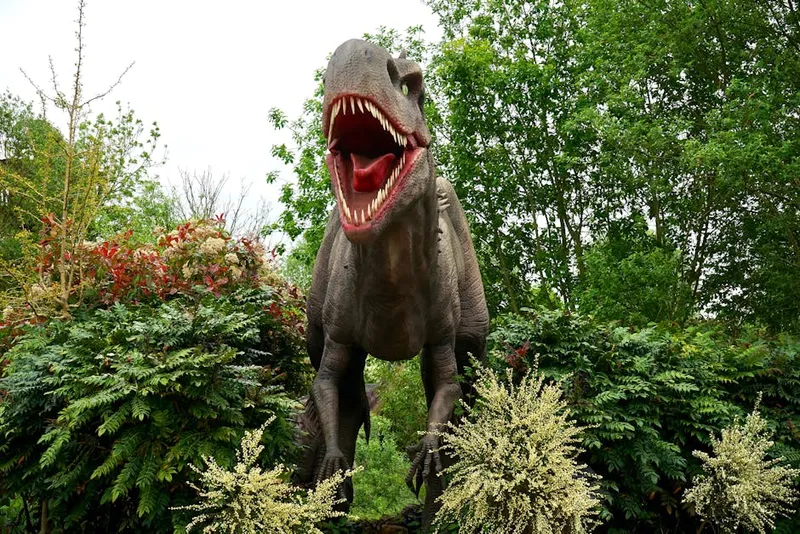

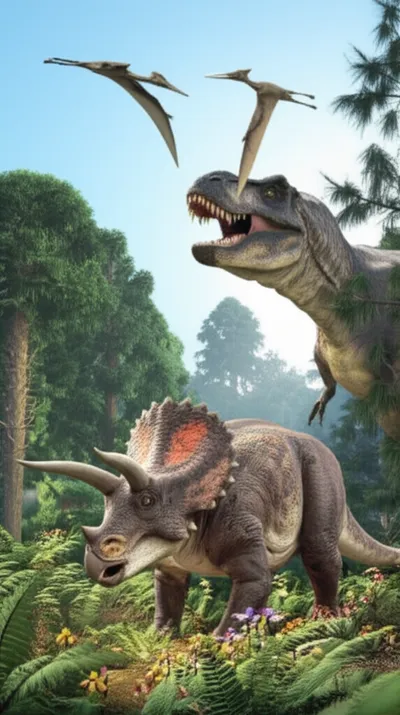
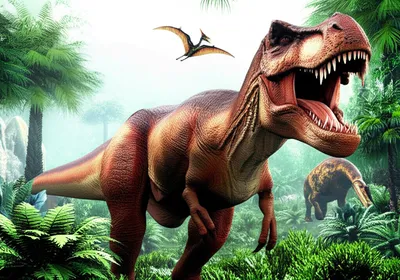
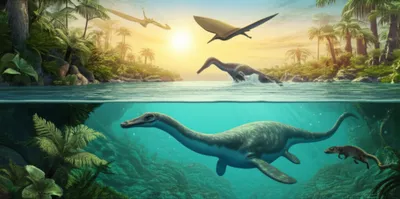
noun🔗Share공룡In scientific usage, any of the animals belonging to the clade Dinosauria, especially those that existed during the Triassic, Jurassic and Cretaceous periods and are now extinct."Many children are fascinated by dinosaurs, especially the huge ones that lived millions of years ago. "많은 아이들이 공룡, 특히 수백만 년 전에 살았던 거대한 공룡에 매료됩니다.animalsciencebiologygeologyhistoryChat with AIVocabulary GamePractice Reading
noun🔗Share공룡In non-scientific usage, any non-avian dinosaur."My son loves dinosaurs, especially the ferocious ones. "내 아들은 공룡, 특히 사나운 공룡을 좋아한다.animalbiologynaturesciencegeologypastChat with AIVocabulary GamePractice Reading
noun🔗Share공룡Any extinct reptile, not necessarily belonging to Dinosauria, that existed between about 230 million and 65 million years ago."Many children are fascinated by dinosaurs and enjoy learning about the different kinds that lived long ago. "많은 아이들이 공룡에 매료되어 오래 전에 살았던 다양한 종류에 대해 배우는 것을 즐깁니다.animalbiologygeologyhistorynaturesciencepastorganismChat with AIVocabulary GamePractice Reading
noun🔗Share구식적인 사람, 낡은 사람A person or organisation that is very old, has very old-fashioned views, or is not willing to change and adapt."The school's administration is a bit of a dinosaur when it comes to technology; they refuse to adopt online learning platforms. "학교 행정실은 기술에 관해서는 구식적인 면이 있어서 온라인 학습 플랫폼을 채택하는 것을 거부합니다.attitudeorganizationpersonbusinessindustrysocietyageChat with AIVocabulary GamePractice Reading
noun🔗Share공룡, 구식Anything no longer in common use or practice.""Using floppy disks to save computer files feels like working with dinosaurs; nobody does that anymore." "컴퓨터 파일을 저장하기 위해 플로피 디스크를 사용하는 것은 공룡과 함께 일하는 것과 같습니다. 아무도 더 이상 그렇게 하지 않습니다.historypastChat with AIVocabulary GamePractice Reading