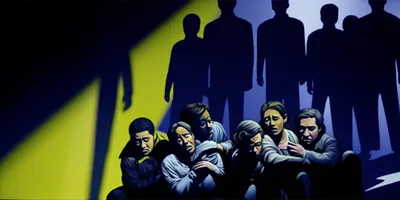
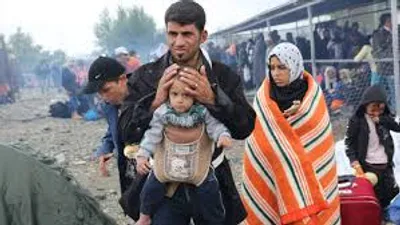

noun🔗Share난민A person seeking refuge in a foreign country out of fear of political persecution or the prospect of such persecution in their home country, i.e., a person seeking political asylum."After the war, many refugees fled their country and sought safety in neighboring nations. "전쟁 후, 많은 난민들이 자국을 탈출하여 인접 국가에서 안전을 찾았다.politicsworldgovernmentnationrighthumanpersonstatewarlawsocietyessentialChat with AIVocabulary GamePractice Reading
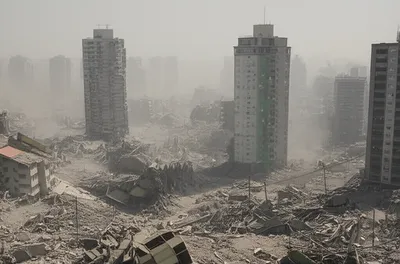
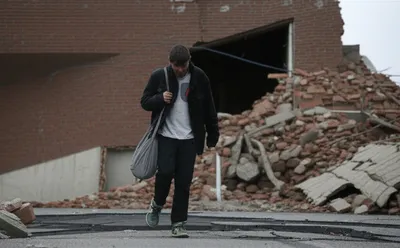
noun🔗Share난민A person seeking refuge due to a natural disaster, war, etc."After the earthquake, many families became refugees and sought shelter in a nearby town. "지진 후, 많은 가족들이 난민이 되어 인근 마을에서 피난처를 찾았습니다.persondisasterwarpoliticsnationsocietygovernmenthumanaidessentialChat with AIVocabulary GamePractice Reading
noun🔗Share난민A person formally granted political or economic asylum by a country other than their home country."After fleeing the war, the young refugee was granted asylum in Canada. "전쟁을 피해 도망친 후, 그 젊은 난민은 캐나다에서 망명을 허가받았다.politicsgovernmentnationsocietyhumanpersonworldaidrightessentialChat with AIVocabulary GamePractice Reading
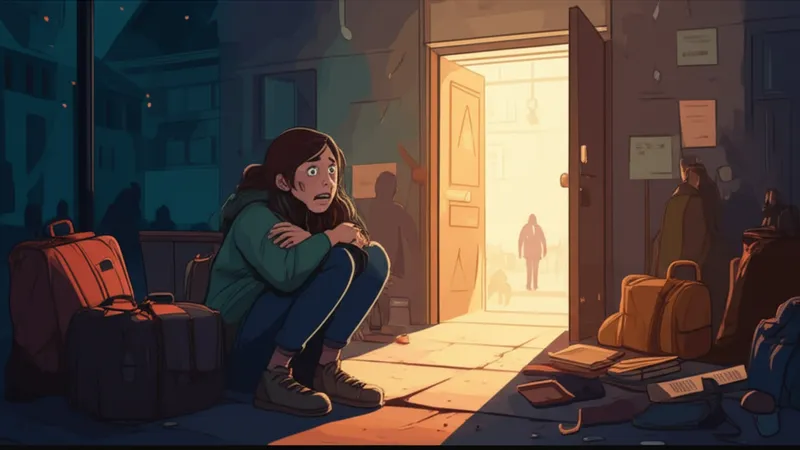
noun🔗Share난민(by extension) A person who flees one place or institution for another."After a big argument with his family, the teenager became a refugee from his own home, seeking shelter with a friend. "가족과 크게 다툰 후, 그 십대는 자신의 집에서 난민이 되어 친구에게 피난처를 구했다.personpoliticssocietygovernmentdisasterwarhumanessentialChat with AIVocabulary GamePractice Reading
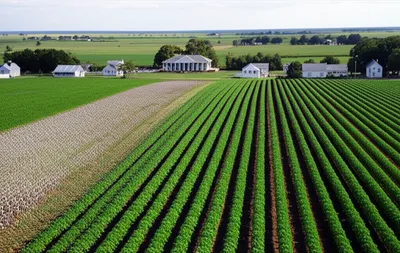
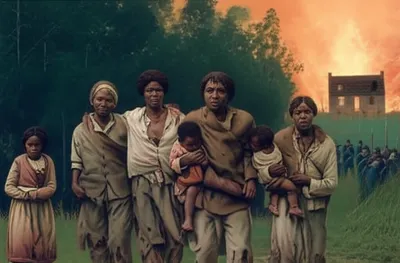
verb🔗Share피난시키다To convey (slaves) away from the advance of the federal forces."The plantation owner had to refugee his slaves as the Union army approached. "농장주는 연합군이 접근하자 노예들을 피난시켜야 했다.historywarmilitaryessentialChat with AIVocabulary GamePractice Reading