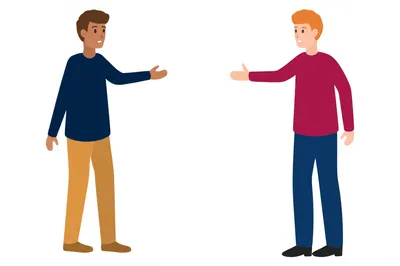
verb 다운로드 🔗공유 인사하다, 환영하다 To welcome in a friendly manner, either in person or through another means e.g. writing or over the phone/internet Examples : "The teacher greeted her students warmly at the start of class. " 선생님은 수업 시작 시 학생들을 따뜻하게 환영했다. communication language action culture AI와 채팅어휘 게임독해 연습
verb 다운로드 🔗공유 맞이하다, 환영하다 To arrive at or reach, or meet (talking of something which brings joy) Examples : "The good news greeted us at the school gate: our team had won the competition. " 좋은 소식이 학교 정문에서 우리를 맞이했다: 우리 팀이 대회에서 우승했다. communication language AI와 채팅어휘 게임독해 연습
verb 다운로드 🔗공유 인사하다, 말을 걸다 To accost; to address. Examples : "The teacher greeted the students warmly at the classroom door. " 선생님은 교실 문 앞에서 학생들에게 따뜻하게 인사를 건넸다. communication language AI와 채팅어휘 게임독해 연습
verb 다운로드 🔗공유 인사하다 To meet and give salutations. Examples : "Before class started, the teacher greeted each student warmly. " 수업 시작 전에 선생님은 각 학생에게 따뜻하게 인사를 건넸다. communication language culture action AI와 채팅어휘 게임독해 연습
verb 다운로드 🔗공유 맞이하다, 받아들이다 To be perceived by (somebody). Examples : "A brilliant dawn greeted her eyes as she looked out of the window." 그녀가 창밖을 내다보자 눈부신 새벽이 그녀를 맞이했다. communication language AI와 채팅어휘 게임독해 연습
verb 다운로드 🔗공유 울다, 흐느끼다 To weep; to cry. Examples : "The student greeted with tears after failing the important exam. " 학생은 중요한 시험에 떨어진 후 울었다. emotion AI와 채팅어휘 게임독해 연습
noun 다운로드 🔗공유 인사, 안부 A conventional phrase used to start a letter or conversation or otherwise to acknowledge a person's arrival or presence. Examples : ""Good morning" was the greeting my teacher used to start each class. " 선생님은 매 수업을 시작할 때 "좋은 아침"이라는 인사를 사용했습니다. communication language AI와 채팅어휘 게임독해 연습
noun 다운로드 🔗공유 인사 The action of the verb to greet. Examples : "The teacher's warm greeting made the students feel welcome. " 선생님의 따뜻한 인사는 학생들이 환영받는 느낌을 받게 했습니다. communication language action culture AI와 채팅어휘 게임독해 연습