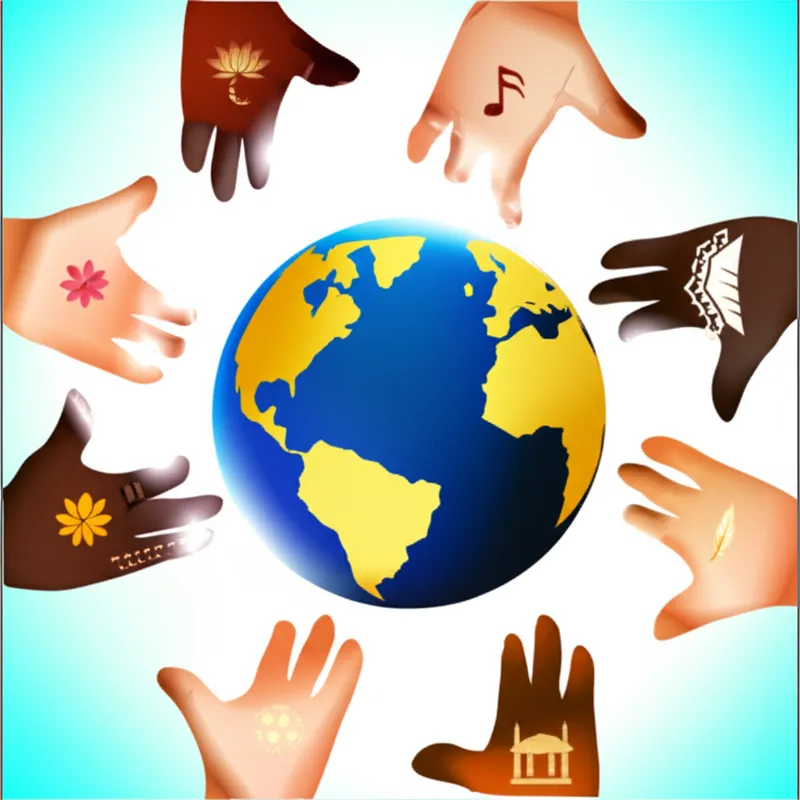

noun🔗Share문화, 관습, 생활 방식The arts, customs, lifestyles, background, and habits that characterize a particular society or nation."Traveling abroad is a great way to experience different cultures. "해외 여행은 다양한 문화를 경험할 수 있는 좋은 방법입니다.culturenationsocietyhistoryChat with AIVocabulary GamePractice Reading
noun🔗Share문화, 생활 방식The beliefs, values, behaviour and material objects that constitute a people's way of life."Visiting different countries allowed me to experience and appreciate the diverse cultures around the world. "다양한 국가를 방문하면서 저는 전 세계의 다양한 문화를 경험하고 감상할 수 있었습니다.culturesocietytraditionvaluehistoryChat with AIVocabulary GamePractice Reading
noun🔗Share문화, 풍습, 사회The conventional conducts and ideologies of a community; the system comprising of the accepted norms and values of a society."Different countries often have distinct cultures that affect how people greet each other. "다른 나라들은 종종 사람들이 서로에게 인사하는 방식에 영향을 미치는 뚜렷한 문화를 가지고 있습니다.culturesocietytraditiongrouphumanvalueChat with AIVocabulary GamePractice Reading
noun🔗Share문화, 지식의 전달Any knowledge passed from one generation to the next, not necessarily with respect to human beings."The cultures of bees, including their methods of communication and colony organization, are fascinating to study. "벌들의 문화, 의사 소통 방식과 군집 조직을 포함하여, 연구하는 것은 흥미롭다.culturetraditionsocietyhistoryeducationChat with AIVocabulary GamePractice Reading
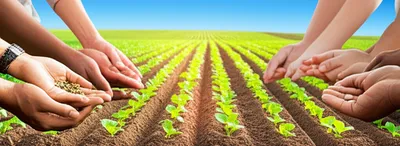
noun🔗Share경작, 재배Cultivation."The cultures of bacteria in the lab helped the scientist understand how they grow. "실험실의 박테리아 배양은 과학자가 박테리아가 어떻게 성장하는지 이해하는 데 도움이 되었다.agricultureChat with AIVocabulary GamePractice Reading
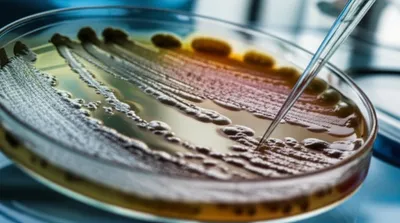
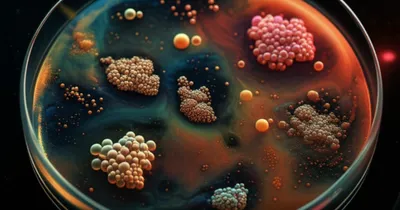
noun🔗Share배양The process of growing a bacterial or other biological entity in an artificial medium."The lab technician prepared cultures of bacteria to identify the cause of the patient's infection. "실험실 기술자는 환자의 감염 원인을 파악하기 위해 박테리아 배양을 준비했습니다.biologymedicinemicroorganismscienceChat with AIVocabulary GamePractice Reading
noun🔗Share그렇게 생산된 성장The growth thus produced."The biology class examined the cultures of bacteria grown in the petri dishes. "생물학 수업은 페트리 접시에서 배양된 박테리아 배양체를 조사했다.biologymicroorganismChat with AIVocabulary GamePractice Reading
noun🔗Share세균 배양A group of bacteria."The lab technician prepared several cultures of bacteria to study their growth patterns. "실험실 기술자는 성장 패턴을 연구하기 위해 여러 세균 배양을 준비했습니다.biologymicroorganismmedicineChat with AIVocabulary GamePractice Reading
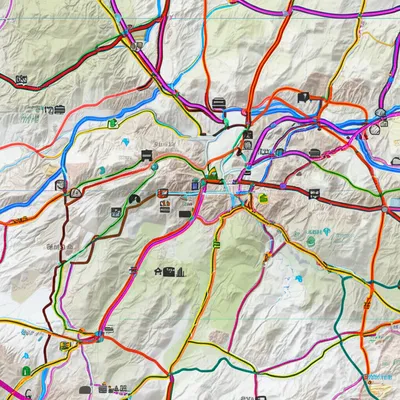
noun🔗Share지도에 표시된 자연 지형이 아닌 세부 사항The details on a map that do not represent natural features of the area delineated, such as names and the symbols for towns, roads, meridians, and parallels."The student learned that the map's cultures, like the city names and road symbols, are human-made additions and not natural parts of the landscape. "학생은 도시 이름과 도로 기호와 같은 지도의 세부 사항이 인간이 만든 추가 사항이며 풍경의 자연적인 부분이 아니라는 것을 배웠다.geographytechnicalareaChat with AIVocabulary GamePractice Reading
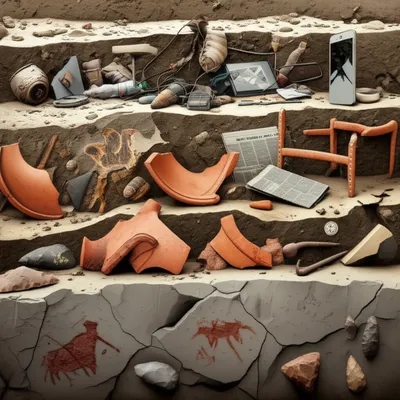
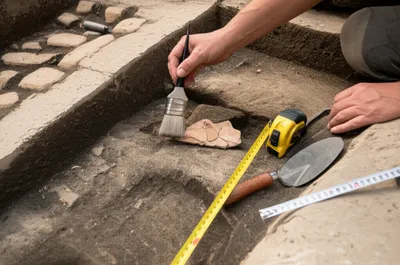
noun🔗Share문화, 문명A recurring assemblage of artifacts from a specific time and place that may constitute the material culture remains of a particular past human society."Archaeologists study ancient cultures by examining pottery shards, tools, and other artifacts left behind by people long ago. "고고학자들은 오래 전에 사람들이 남긴 도자기 조각, 도구 및 기타 유물을 조사하여 고대 문화를 연구합니다.culturearchaeologyhistorysocietyhumanpastChat with AIVocabulary GamePractice Reading
verb🔗Share배양하다, 기르다To maintain in an environment suitable for growth (especially of bacteria) (compare cultivate)"The lab technician cultures bacteria samples in petri dishes to study their growth and response to antibiotics. "실험실 기술자는 박테리아의 성장과 항생제에 대한 반응을 연구하기 위해 페트리 접시에서 박테리아 샘플을 배양합니다.biologymicroorganismmedicinescienceChat with AIVocabulary GamePractice Reading
verb🔗Share육성하다, 배양하다To increase the artistic or scientific interest (in something) (compare cultivate)"The university cultures an interest in astrophysics through its popular evening lectures and observatory tours. "그 대학은 인기 있는 저녁 강연과 천문대 투어를 통해 천체 물리학에 대한 관심을 육성합니다.cultureartscienceeducationChat with AIVocabulary GamePractice Reading