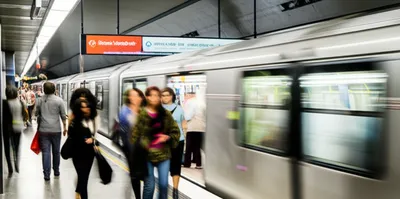
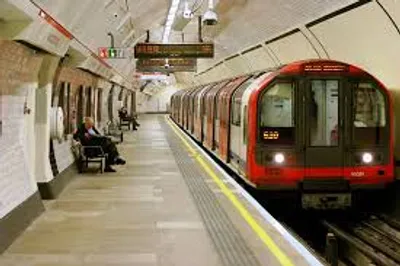
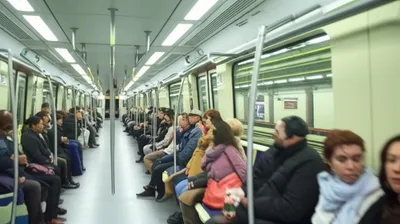
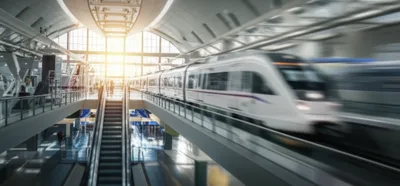
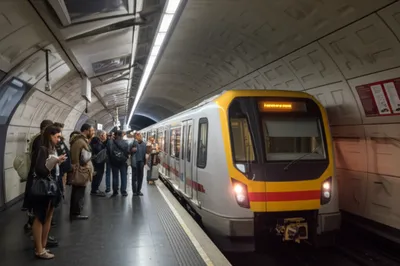
noun 다운로드 🔗공유 지하철 An underground railway, especially for mass transit of people in urban areas. Examples : "My sister takes the subway to work every morning. " 내 여동생은 매일 아침 지하철을 타고 출근한다. vehicle traffic building place AI와 채팅어휘 게임독해 연습
noun 다운로드 🔗공유 지하철 A train that runs on such an underground railway. Examples : "My sister takes the subway to work every morning. " 내 여동생은 매일 아침 지하철을 타고 출근한다. vehicle place system AI와 채팅어휘 게임독해 연습
noun 다운로드 🔗공유 지하철 A rapid transit system, regardless of the elevation of its right of way. Examples : ""I take the subway to work every morning because it's faster than driving, even though parts of the train line run above ground." " 나는 매일 아침 지하철을 타고 출근하는데, 기차 노선의 일부가 지상으로 운행되더라도 운전하는 것보다 빠르기 때문이다. vehicle system building AI와 채팅어휘 게임독해 연습
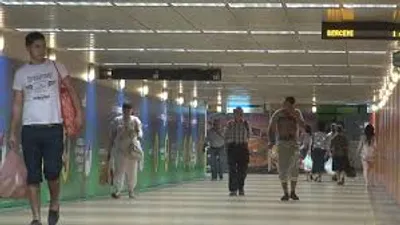
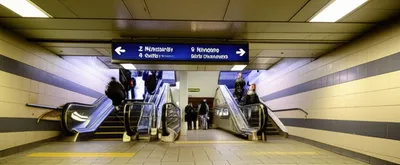
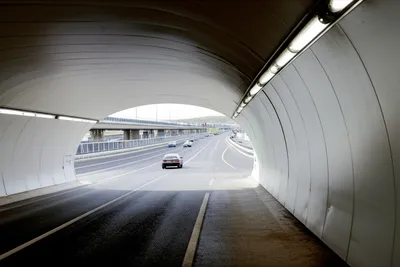
noun 다운로드 🔗공유 지하 보도 An underground walkway, tunnel for pedestrians (called pedestrian underpass in US). Examples : "To get to school quickly, she used the subway under the street. " 학교에 빨리 가기 위해 그녀는 길 아래의 지하 보도를 이용했다. architecture traffic vehicle building place AI와 채팅어휘 게임독해 연습
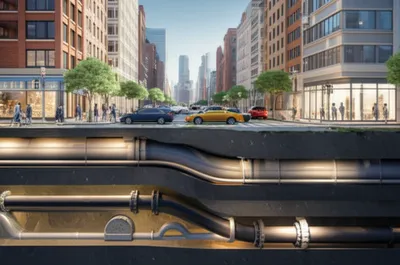
noun 다운로드 🔗공유 지하철, 지하도 An underground route for pipes, sewers, etc. Examples : "The city's subway system includes a large network of underground tunnels for water pipes. " 도시의 지하철 시스템은 수도관을 위한 대규모 지하 터널 네트워크를 포함합니다. utility structure AI와 채팅어휘 게임독해 연습
verb 다운로드 🔗공유 지하철을 타다 To travel by underground railway. Examples : "To get to school on time, I subway every morning. " 학교에 제 시간에 가기 위해, 나는 매일 아침 지하철을 탄다. vehicle way service AI와 채팅어휘 게임독해 연습