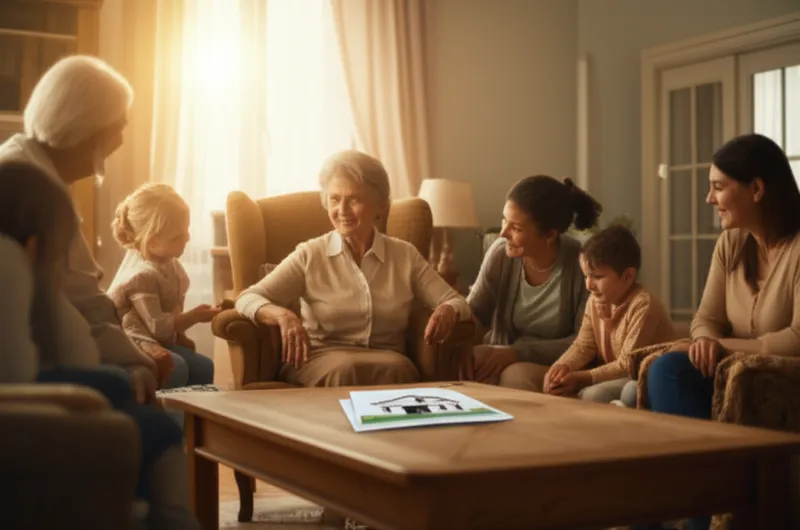
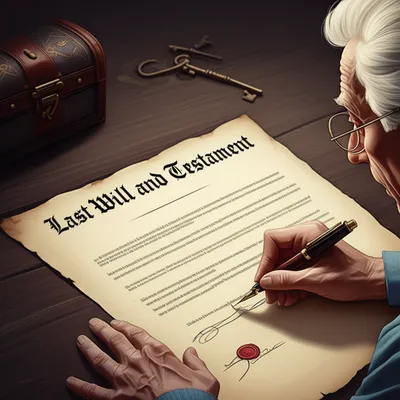
adjective 다운로드 🔗공유 유언으로 정해진 Having a document specifying inheritance. Examples : "The willed estate included the family home and a significant sum of money. " 유언으로 정해진 재산에는 가족의 집과 상당한 금액의 돈이 포함되었습니다. property family law AI와 채팅어휘 게임독해 연습
adjective 다운로드 🔗공유 의지가 있는 (chiefly in combination) Having a will (of a specified kind). Examples : "The strong-willed child refused to share her toys. " 의지가 강한 아이는 장난감을 공유하려 하지 않았다. mind character attitude AI와 채팅어휘 게임독해 연습
adjective 다운로드 🔗공유 의지에 따라, 복종하는 Brought under the will of another person. Examples : "The young child was willed to a new family after his parents died. " 어린 아이는 부모님이 돌아가신 후 새로운 가족에게 복종하게 되었다. law property right AI와 채팅어휘 게임독해 연습
verb 다운로드 🔗공유 바라다, 원하다 To wish, desire. Examples : "She closed her eyes and willed herself to stay calm before the presentation. " 그녀는 눈을 감고 발표 전에 침착함을 유지하기를 바랐다. mind philosophy action AI와 채팅어휘 게임독해 연습
verb 다운로드 🔗공유 유언하다, 의지하다 To instruct (that something be done) in one's will. Examples : "My grandmother willed her antique jewelry collection to my sister in her last will and testament. " 할머니는 마지막 유언장에서 내 여동생에게 골동품 보석 컬렉션을 유언으로 남겼다. property law family AI와 채팅어휘 게임독해 연습
verb 다운로드 🔗공유 의지하다, 바라다 To try to make (something) happen by using one's will (intention). Examples : "All the fans were willing their team to win the game." 모든 팬들은 자기 팀이 경기에서 이기기를 바랐다. mind action ability AI와 채팅어휘 게임독해 연습
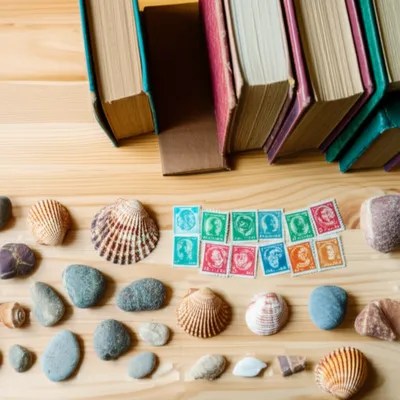
verb 다운로드 🔗공유 유증하다 To bequeath (something) to someone in one's will (legal document). Examples : "He willed his stamp collection to the local museum." 그는 자신의 우표 컬렉션을 지역 박물관에 유증했다. property law family AI와 채팅어휘 게임독해 연습