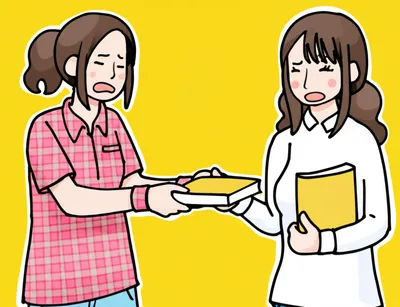







verb🔗Share不情愿地给, 舍不得。 To be unwilling to give or allow (someone something)."My parents grudgingly allowed me to stay out late this weekend. "这个周末,我父母很不情愿地/舍不得地 允许我晚回家。attitudecharactermoralnegativeChat with AIVocabulary GamePractice Reading
verb🔗Share抱怨,埋怨。 To grumble, complain; to be dissatisfied."My brother grudgingly agreed to help with the dishes after complaining about it all morning. "我 弟弟 抱怨 了一 上午, 最后 不情愿 地 同意 帮忙 洗碗 了。attitudeemotioncharactermindChat with AIVocabulary GamePractice Reading
verb🔗Share嫉妒,羡慕,勉强给予。 To hold or harbour with malicious disposition or purpose; to cherish enviously."The older brother grudgingly helped his younger sibling with their homework, clearly envious of the younger child's quick understanding. "哥哥心怀嫉妒地帮弟弟妹妹做作业,显然很羡慕他们理解得那么快。attitudecharactermindemotionChat with AIVocabulary GamePractice Reading
verb🔗Share惋惜,舍不得。 To feel compunction or grief."My brother grudgingly agreed to help with the yard work, clearly feeling some compunction about it. "我 哥哥 勉强 同意 帮忙 做 院子 里的 活儿,显然 有些 惋惜,心里 舍不得。emotionmindattitudesensationChat with AIVocabulary GamePractice Reading
noun🔗Share怀恨,怨恨,记仇。 The state of bearing a grudge."His grudging towards his sister simmered for weeks after the argument. "在那次争吵之后,他对妹妹的怀恨在心持续了好几个星期。attitudeemotioncharactermindChat with AIVocabulary GamePractice Reading
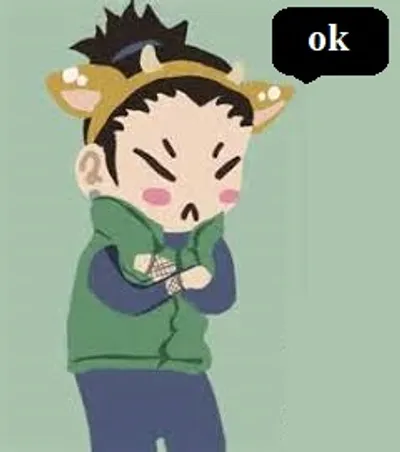
adjective🔗Share不情愿的,勉强的 Unwilling or with reluctance."her grudging acceptance that her rival deserved the award"她不情不愿地承认了她的对手应该得奖。attitudecharacteremotionmindChat with AIVocabulary GamePractice Reading