




verb🔗Share放逐,驱逐。 To cast out; to banish."The school outcast him for his disruptive behavior. "学校因为他扰乱秩序的行为而放逐了他。societygroupcultureChat with AIVocabulary GamePractice Reading
adjective🔗Share被遗弃的,被抛弃的 That has been cast out; banished, ostracized."Because of his constant lying, he became an outcast within his own family. "因为他 постоянно 撒谎, 他 в 家里 成了 众人 嫌弃 的 人.societyculturehumanChat with AIVocabulary GamePractice Reading
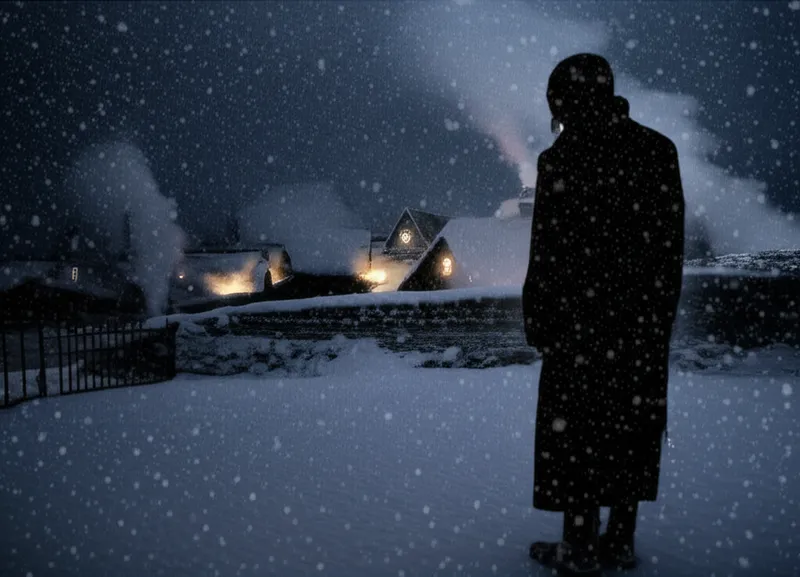
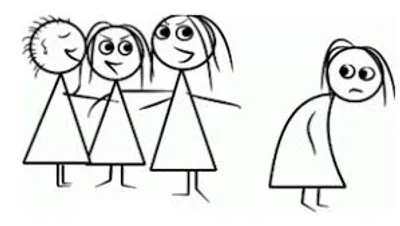
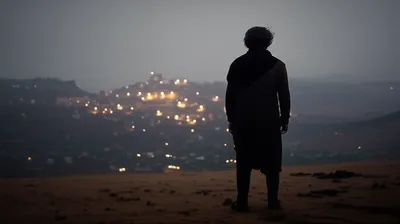
noun🔗Share被遗弃者,被排斥者,弃儿 One that has been excluded from a society or system, a pariah."The student felt like an outcast after he moved to a new school and nobody would talk to him. "转学到新学校后,没有人和他说话,那个学生觉得自己像个被遗弃者一样。societypersonculturecharacterChat with AIVocabulary GamePractice Reading
noun🔗Share被排斥的人,弃儿 (more generally) Someone who does not belong; a misfit."The new student felt like an outcast at school because he didn't speak the same language as his classmates. "这个新生在学校觉得自己像个被排斥的人,因为他说不和同学们一样的语言。personcharactersocietyculturegroupChat with AIVocabulary GamePractice Reading
noun🔗Share争吵,不和。 A quarrel."The family's recent argument was a bitter outcast, creating tension for weeks. "最近家里的争吵非常激烈,导致持续数周的紧张气氛。groupsocietycharacterChat with AIVocabulary GamePractice Reading
noun🔗Share发芽量 The amount of increase in bulk of grain in malting."The barley's high outcast during the malting process resulted in a larger yield. "大麦在麦芽制造过程中高的发芽量带来了更高的产量。agriculturetechnicalprocessChat with AIVocabulary GamePractice Reading