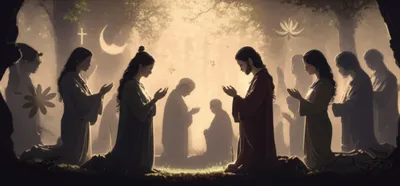


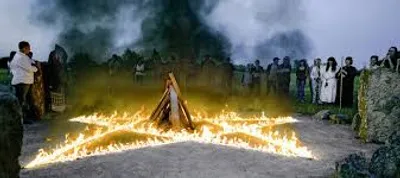

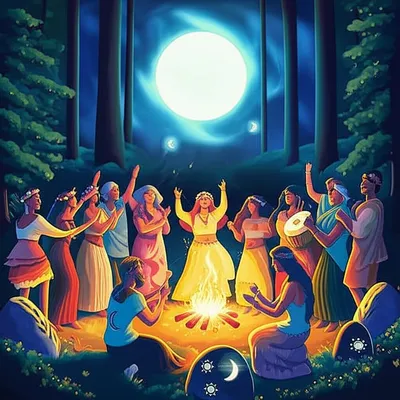

noun🔗Share异教徒, 多神教徒 A person not adhering to a main world religion; a follower of a pantheistic or nature-worshipping religion."This community has a surprising number of pagans."这个社区里异教徒的人数多得令人惊讶。religionmythologyculturephilosophypersonhistoryChat with AIVocabulary GamePractice Reading
noun🔗Share蛮人,未开化的人。 (by extension) An uncivilized or unsocialized person."He acted like a complete pagan at the dinner party, eating with his hands and shouting across the table. "他在晚宴上简直像个蛮人一样,用手抓着吃东西,还大声在桌子对面喊叫。culturepersonphilosophyreligionChat with AIVocabulary GamePractice Reading
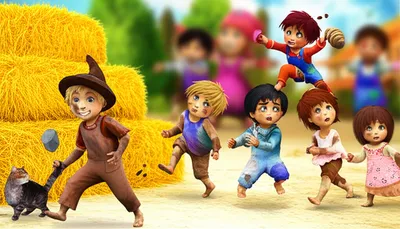
noun🔗Share野孩子,没教养的孩子 (by extension) An unruly, badly educated child."The teacher sighed, exasperated. "That pagan needs to learn some respect." "老师叹了口气,恼火地说:“那个野孩子得学点规矩。”characterhumanpersonattitudeeducationChat with AIVocabulary GamePractice Reading
adjective🔗Share异教的,非正统的 Relating to, characteristic of religions that differ from main world religions."Many converted societies transformed their pagan deities into saints."许多皈依的社会将他们的异教神祇变成了圣徒。religionculturehistoryChat with AIVocabulary GamePractice Reading
adjective🔗Share野蛮的,不文明的. (by extension) Savage, immoral, uncivilized, wild."The rumors about the new student painted him as a pagan, wild and uncivilized, but he was actually just shy. "关于那个新生的谣言把他描绘成一个野蛮人,粗野而不文明,但他实际上只是很害羞。culturemoralreligionhistoryattitudevaluesocietyChat with AIVocabulary GamePractice Reading